NÃO JOGUE LIXO: an inventory of the discarded.
Every sign assumes:
We all agree to maintain what we share. Documents of public values made visible.
Whether or not people obey becomes secondary.
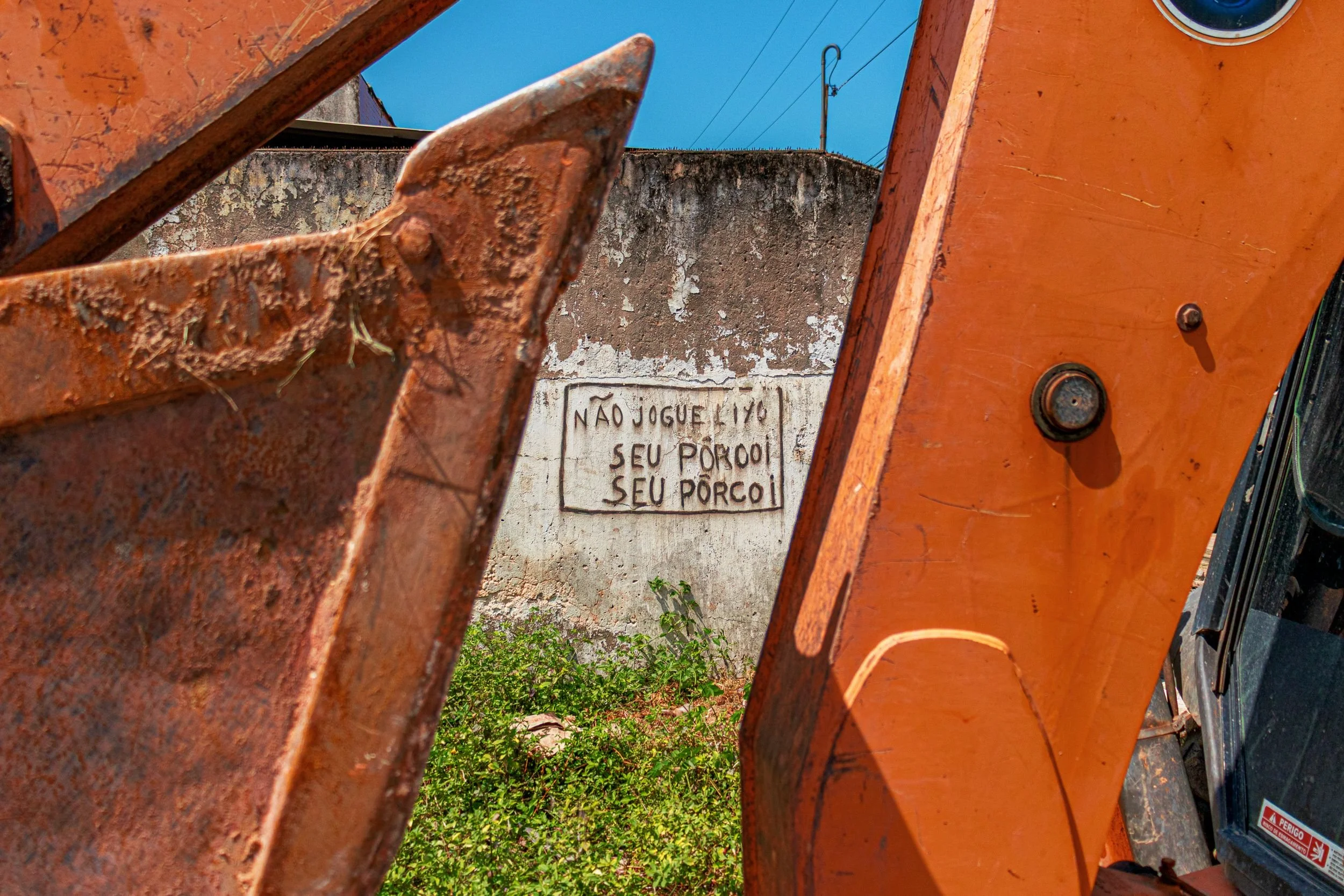
Every city leaves behind instructions for how it wishes to be treated. The city of Recife in Pernambuco, Brazil is no different.
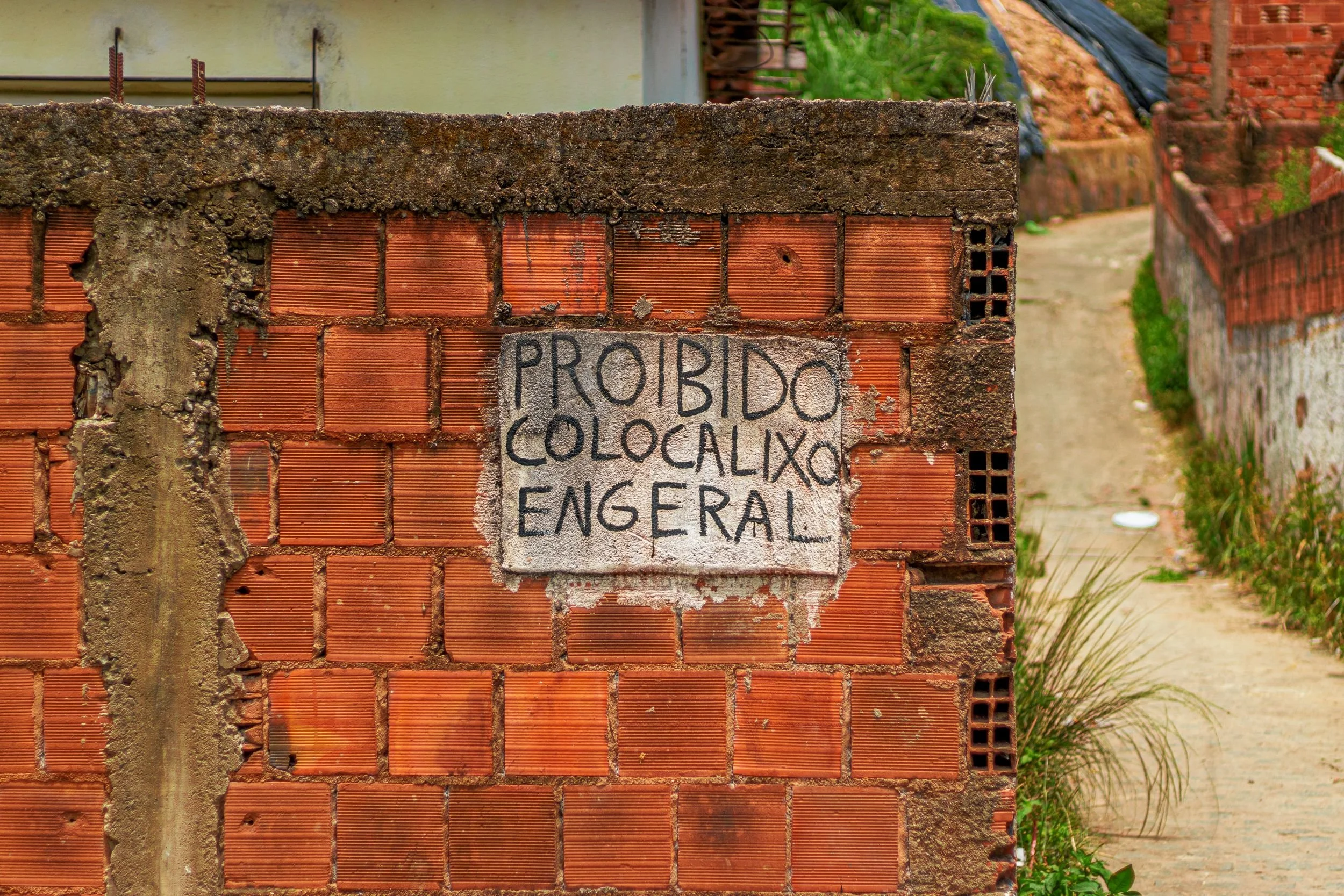
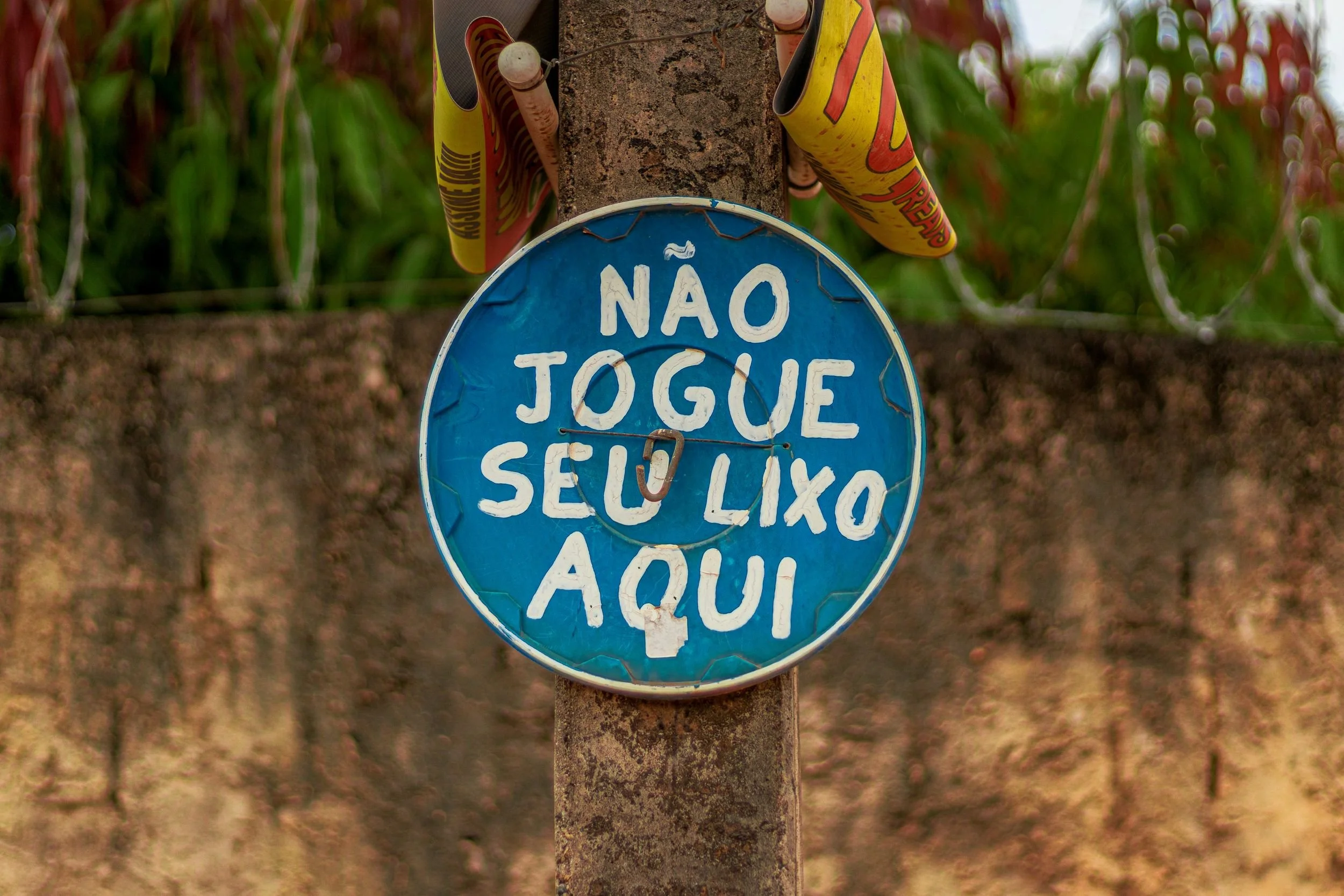
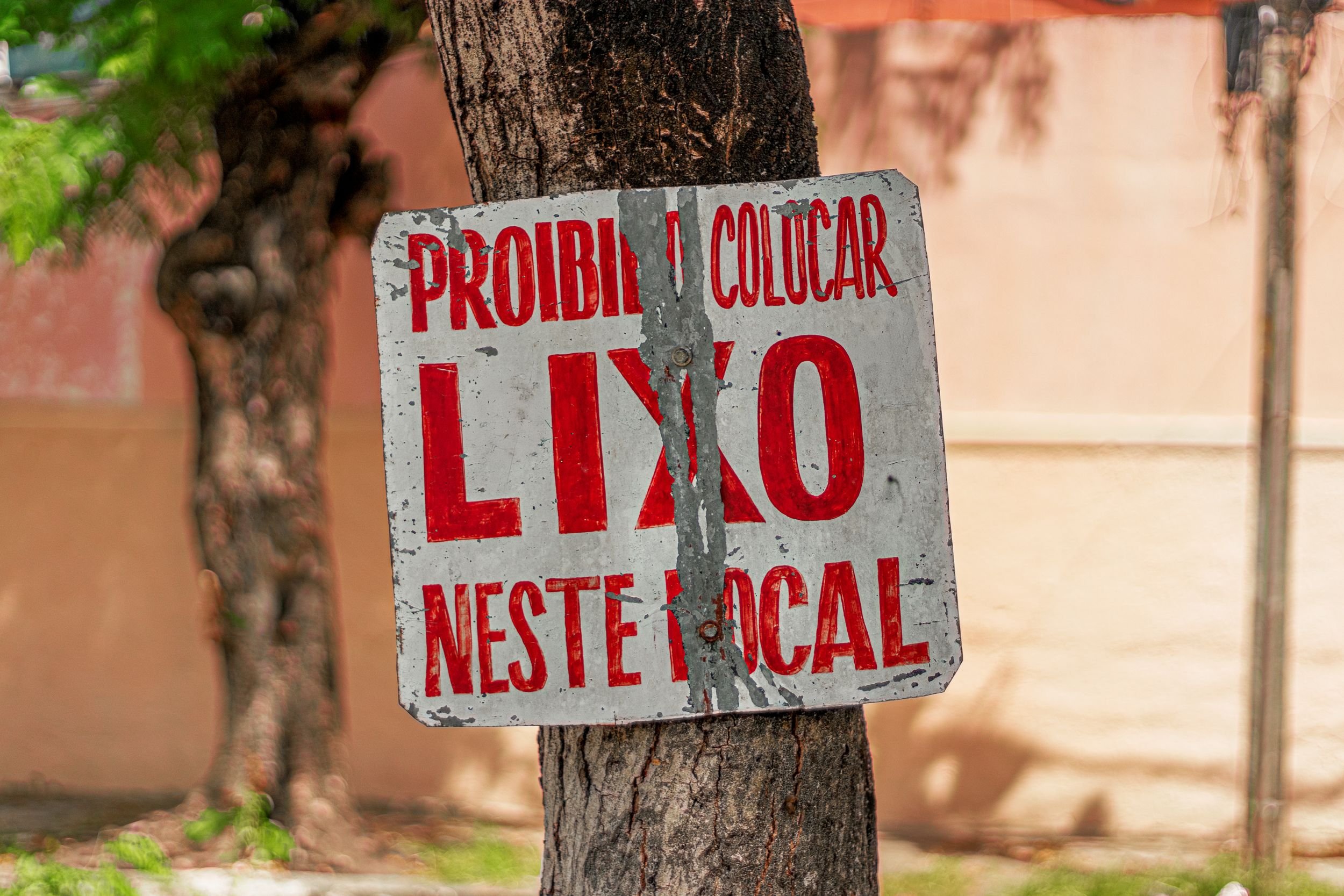
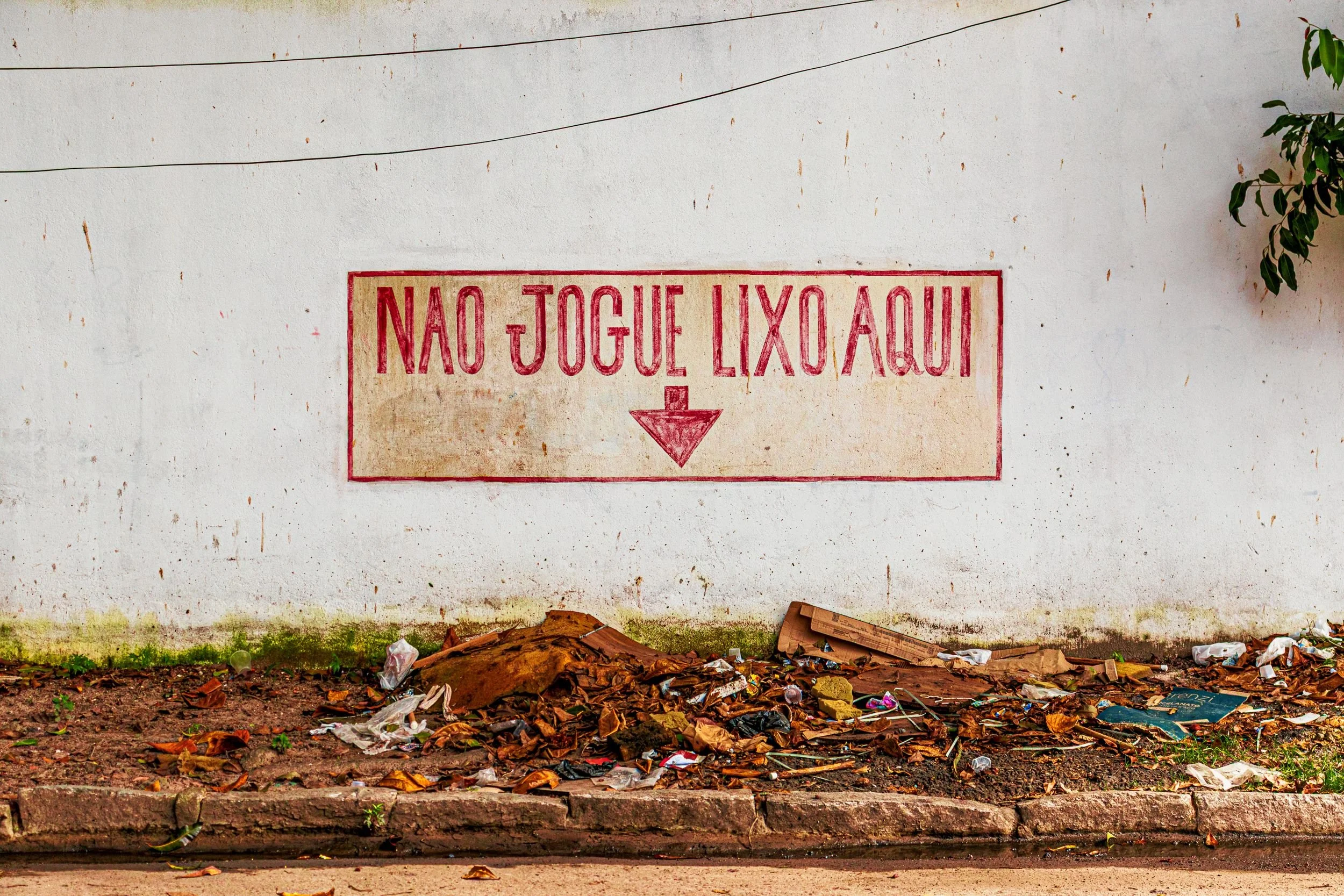
Painted onto walls, nailed to fences, hung above empty lots, fastened to trees, over sidewalks, and vacant lots, reads the phrase "Não Jogue Lixo" ("Do Not Litter"). Each sign assumes an audience willing to participate in caring for the spaces they share. The phrase is ordinary and aspirational in tandem. It is less a command than a reminder that public space depends upon a shared agreement: that places retain their value only through the collective decisions of the people who move through them.
In this series, the signs become portraits of a community's values infused directly into its environment. Whether positioned beside lush vegetation, dense urban streets, residential property, or open fields, each sign quietly declares that this place is worth caring for—worth the labor and repeated effort to maintain. The photographs ask us to notice not only the words themselves, but the spaces chosen to receive them—and what those choices reveal about where value is believed to reside.
Não Jogue Lixo (Do Not Litter) is a photographic mapping project of vernacular typography in the Recife Metropolitan Area that has documented more than 250 hand-lettered signs related to waste disposal. Working with digital photography, the project records inscriptions commonly painted or written on walls, improvised signs, fences, gates, and other urban surfaces.

Philippe Souza is a graphic designer and independent artist based in Brazil. His work seeks to explore the boundaries between art and design moving across multiple forms of expression, such as performance, photography, film, painting, and poetry.
“These messages emerge from everyday tensions surrounding sanitation, waste management, and the use of shared public space. At the same time, they represent a recurring form of vernacular typography produced by residents without formal design training.
With the project including over 250 documented signs photographed in different neighborhoods throughout the region—many located in peripheral and low-income areas, these images are organized and displayed as an online interactive map.
By documenting these inscriptions, Não Jogue Lixo creates a repository of local typographic culture while drawing attention to the visual inventiveness and communicative strategies embedded in everyday urban life.”
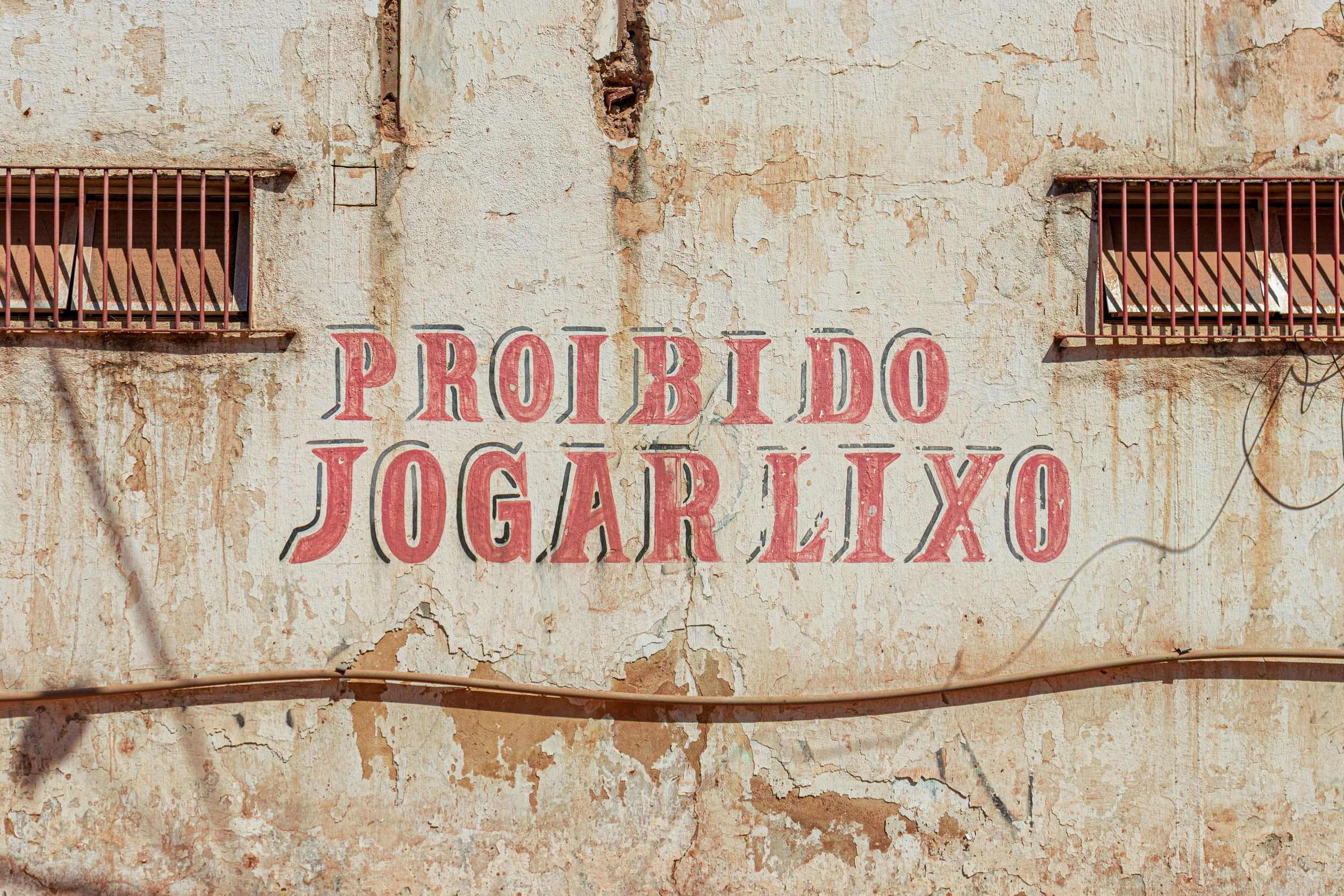
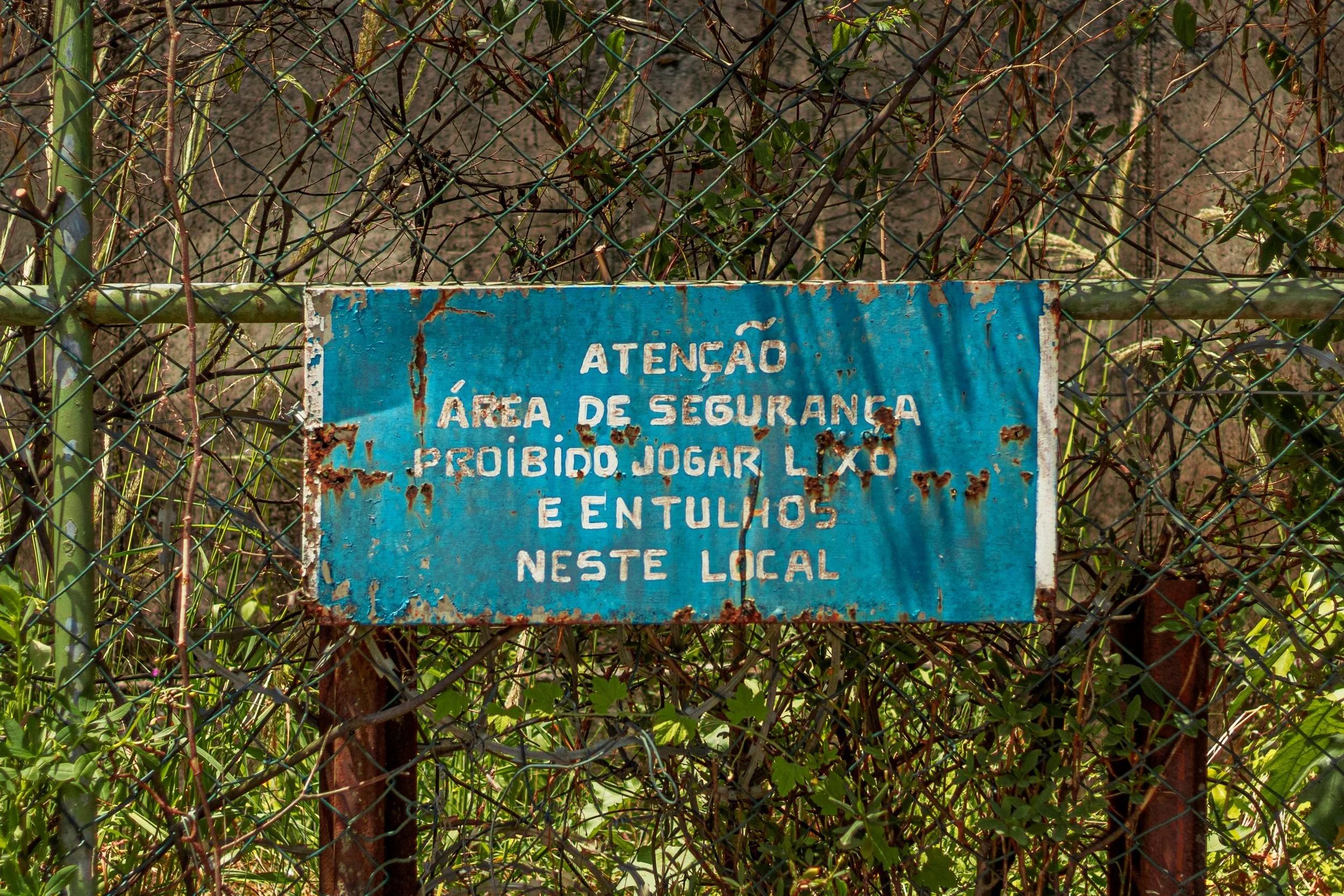
The project invites a reconsideration of the objects these signs are meant to address. Every discarded bottle, plastic bag, aluminum can, or food wrapper once existed within another economy entirely. Each was purchased, carried, consumed, and temporarily assigned importance before becoming something to be removed from sight. The transition from commodity to waste is often immediate, but the material itself remains. In this way, litter becomes evidence of value that has simply changed categories rather than disappeared altogether.
“The inscriptions documented in Não Jogue Lixo occupy an unstable position between permanence and disappearance. Many of these warnings are highly ephemeral. In some cases, I discovered a sign only to find it gone days later when returning to photograph it. Others had already been replaced by a new warning carrying a similar message, suggesting a cycle of erasure and rewriting in the same location.
At the same time, some of these signs persist for many years. A number of the inscriptions documented during the early stages of the project remain visible today, often marked by fading paint, cracks, stains, and other signs of long exposure. Photographed spontaneously during walks through the city, the series captures inscriptions in different states of existence: newly painted and intact, visibly deteriorated, or nearly illegible due to extreme weathering. These traces of degradation reveal the duration and endurance of their presence within the urban landscape.
The project therefore records a visual culture sustained not through stability, but through continual reappearance. Even when individual signs disappear, the social need that produced them remains. Sustained presence emerges from this tension between fragility and persistence, where signs are repeatedly written, erased, and rewritten as residents attempt to manage the everyday material reality of waste in shared urban spaces.”
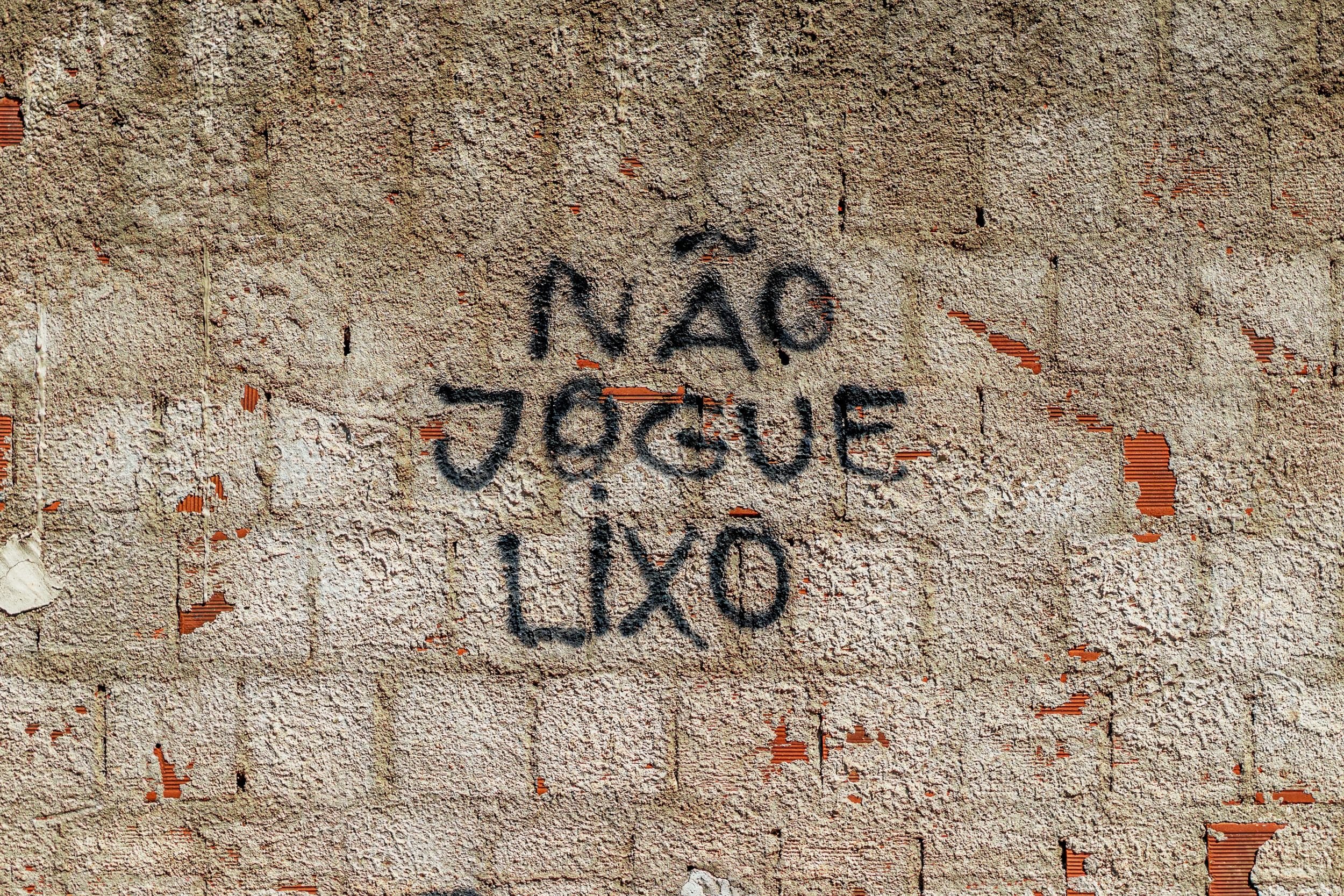
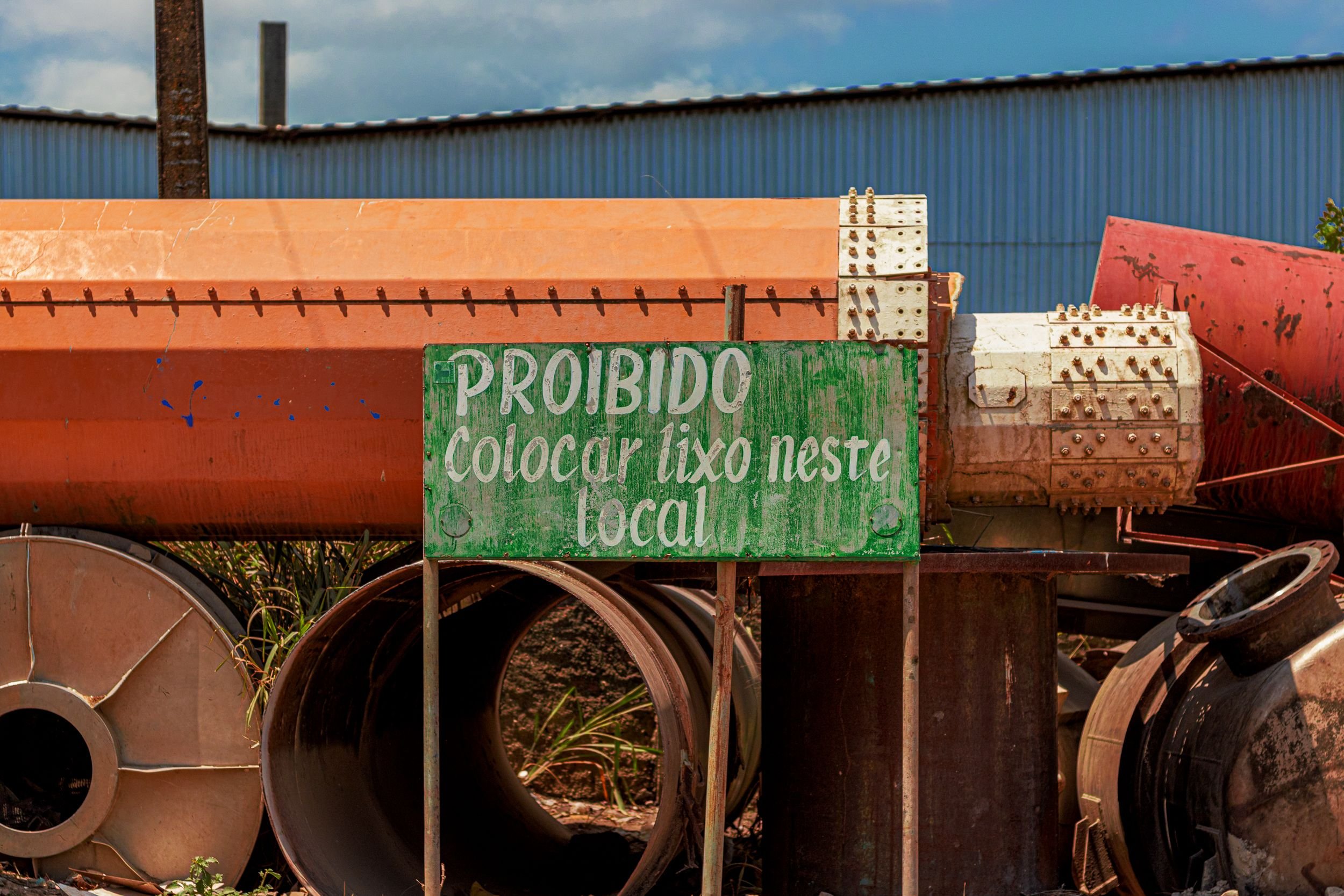
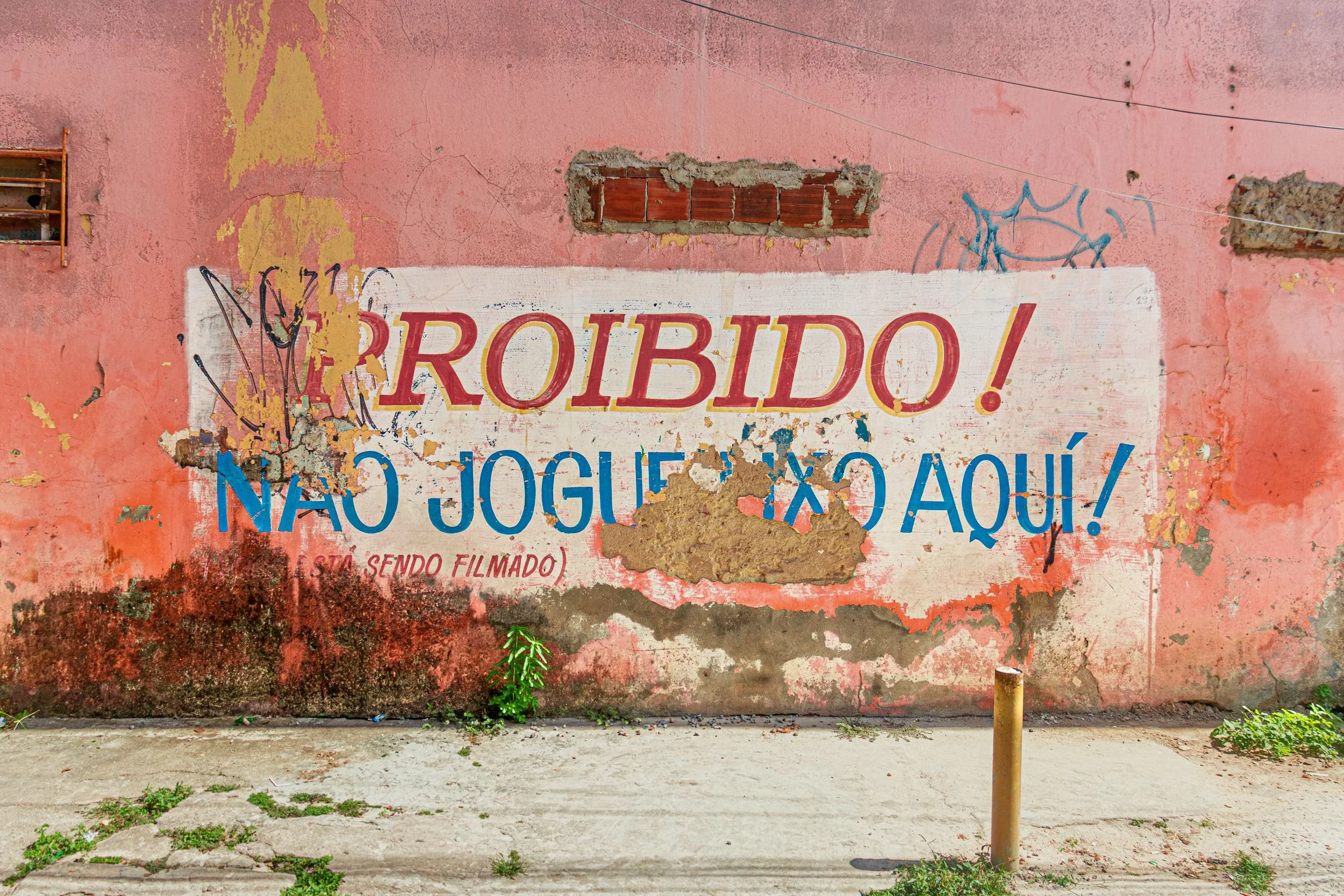
There is another value system present as well: the photographer's own. By isolating and repeatedly documenting a phrase that most passersby no longer notice, the artist elevates it from municipal signage to cultural artifact. The signs become markers of collective responsibility, but also of collective anxiety—small declarations that something worth preserving remains vulnerable to neglect. What often fades into the background of everyday life becomes, through repetition, the subject itself.
Together, the photographs suggest that value is rarely inherent. It is assigned, withdrawn, defended, and renewed through countless individual decisions. The landscapes pictured here are shaped as much by what people choose to discard as by what they choose to protect. Não Jogue Lixo ultimately asks a deceptively simple question: if every object passes through our hands before it passes into the world, what responsibility remains after we decide it no longer belongs to us?
“My practice moves across the frontiers between art and design, exploring language, the body, and urban visual culture through multiple media. I work with photography, graphic processes, performance, video, and poetry, often combining research-based approaches with experimental and material practices.
Many of my projects investigate how images, words, and symbols circulate in everyday environments. I am interested in visual expressions that emerge outside institutional contexts, as well as in gestures that expose tensions between intimacy, public space, and social structures.
My work frequently engages with themes such as marginality, violence, blackness, queerness, and the politics of visibility. Rather than separating graphic design from artistic practice, I approach both fields as overlapping territories where visual language can operate critically, poetically, or provocatively.
Through this approach, I seek to create works that move between documentation, reflection, and intervention, drawing attention to forms of expression that exist at the edges of cultural legitimacy while questioning how images and texts acquire meaning within social and urban contexts.”
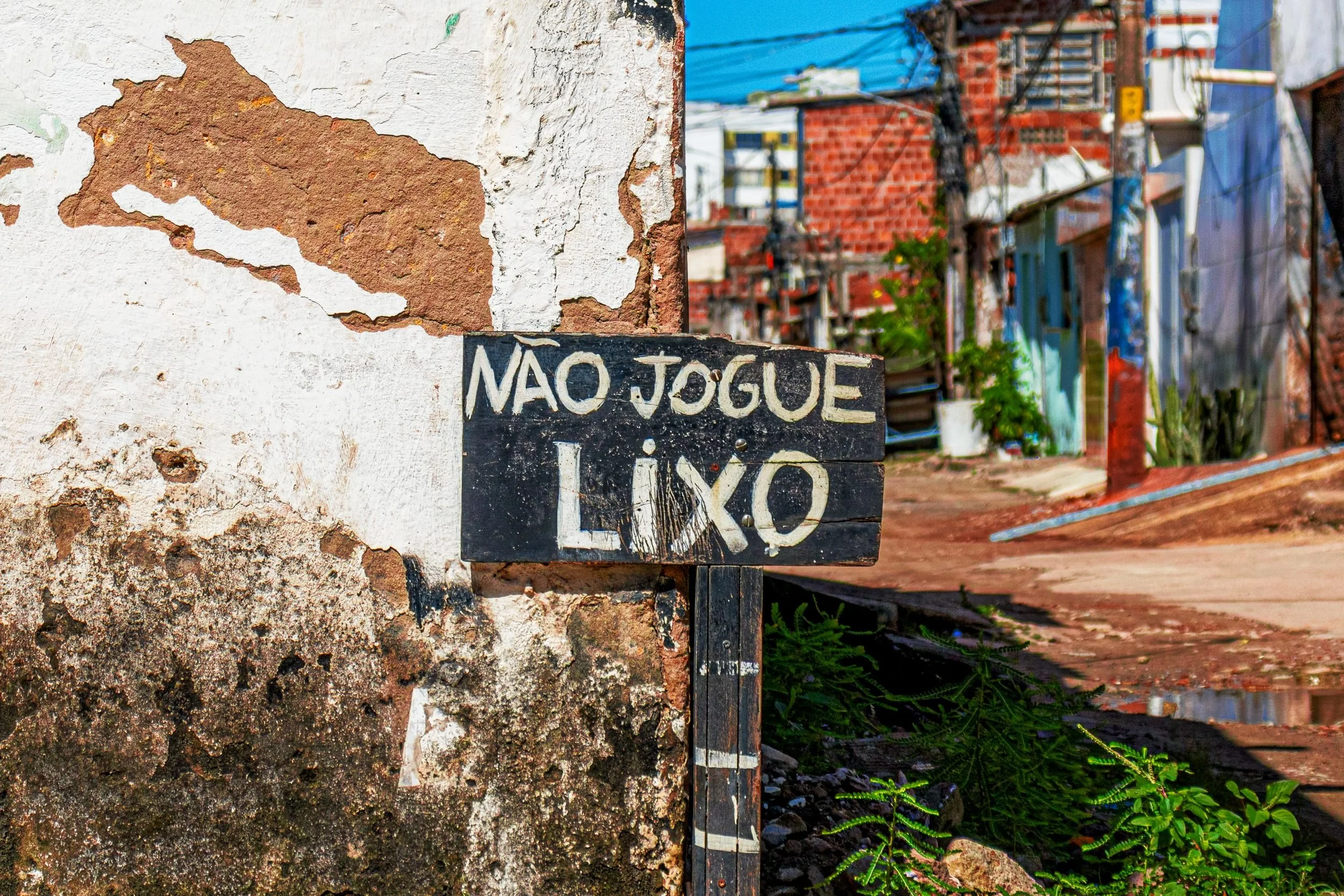
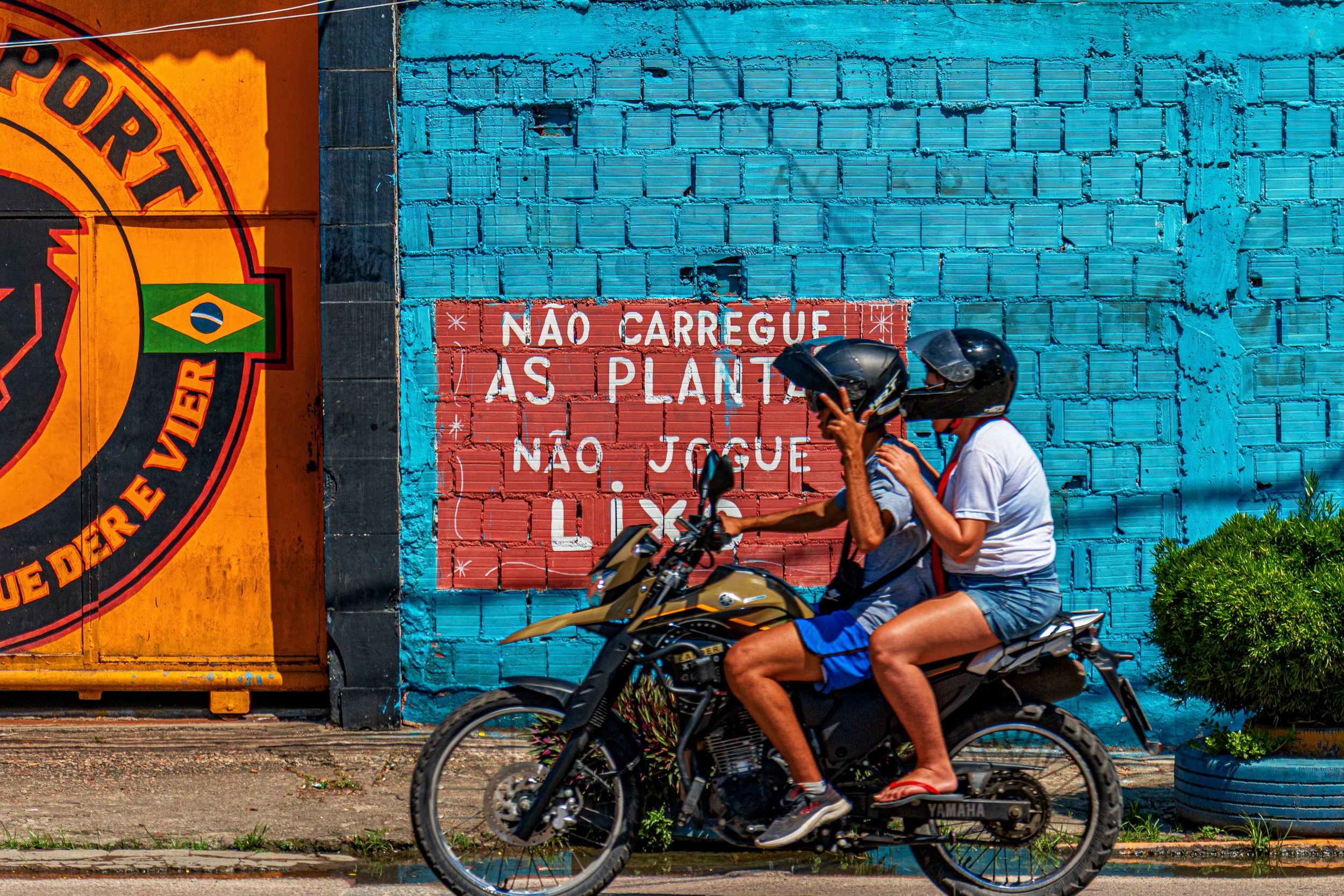
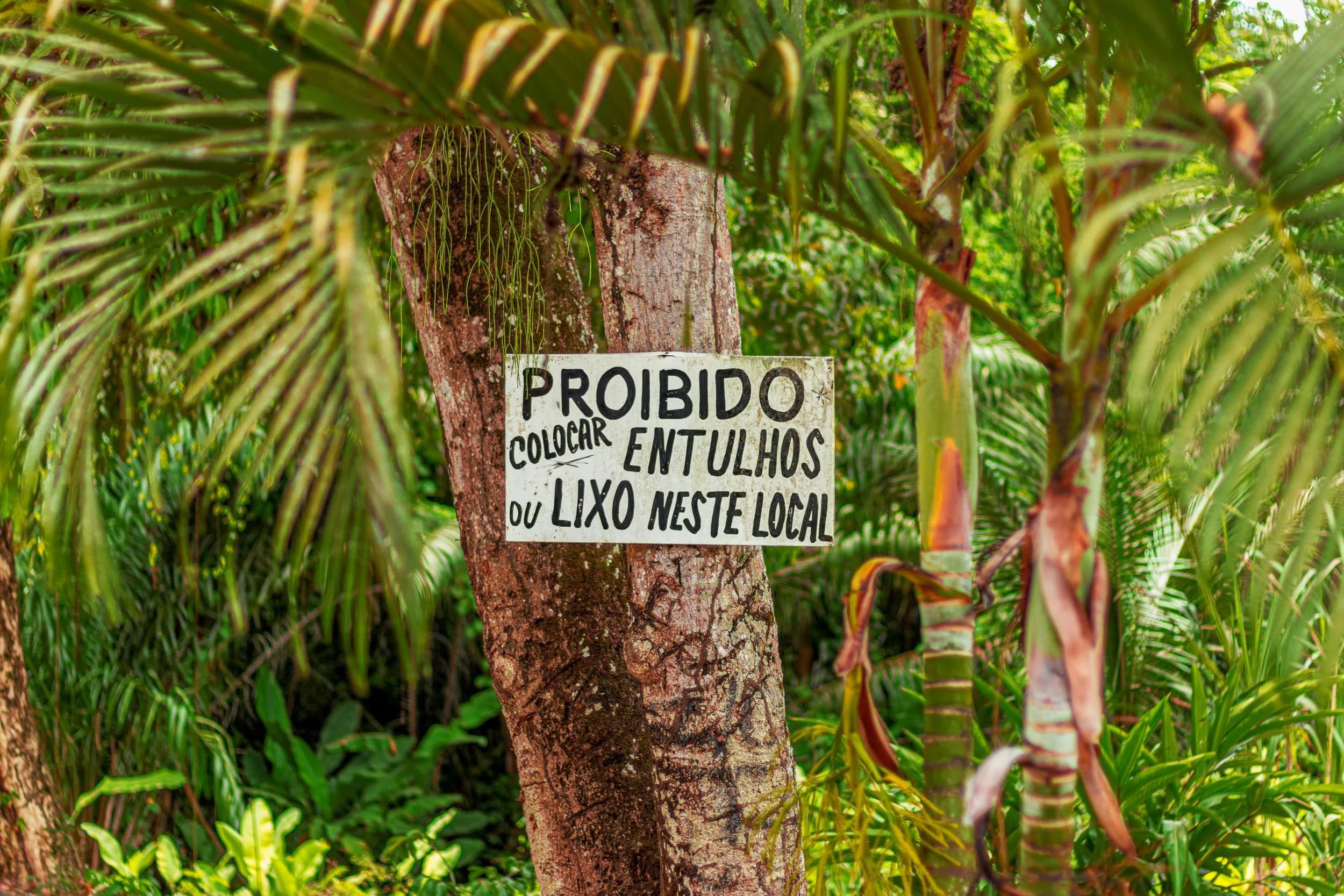
Most photographs suggest quiet compliance. The absence of trash implicitly reinforces the presence of care. One image, however, interrupts that pattern. Beneath a sign requesting cleanliness sits a pile of discarded trash, collapsing the distance between aspiration and reality. It acknowledges that personal values are not static, shared ideals but ongoing negotiations, continually reinforced, challenged, and rewritten through everyday behavior. Rather than undermining the series, the image sharpens its central question: What happens when personal values shift—when ownership and material value exists unevenly across a landscape?
Photography and feature by Philippe Souza
Editorial by MUNREAUX