NYLA HOUSE: where personal investment becomes community wealth.
Every morning, NYLA House recreates itself. The same doors unlock, the same machine hums awake, and the same careful routines transform a quiet room into a place where the neighborhood can gather.
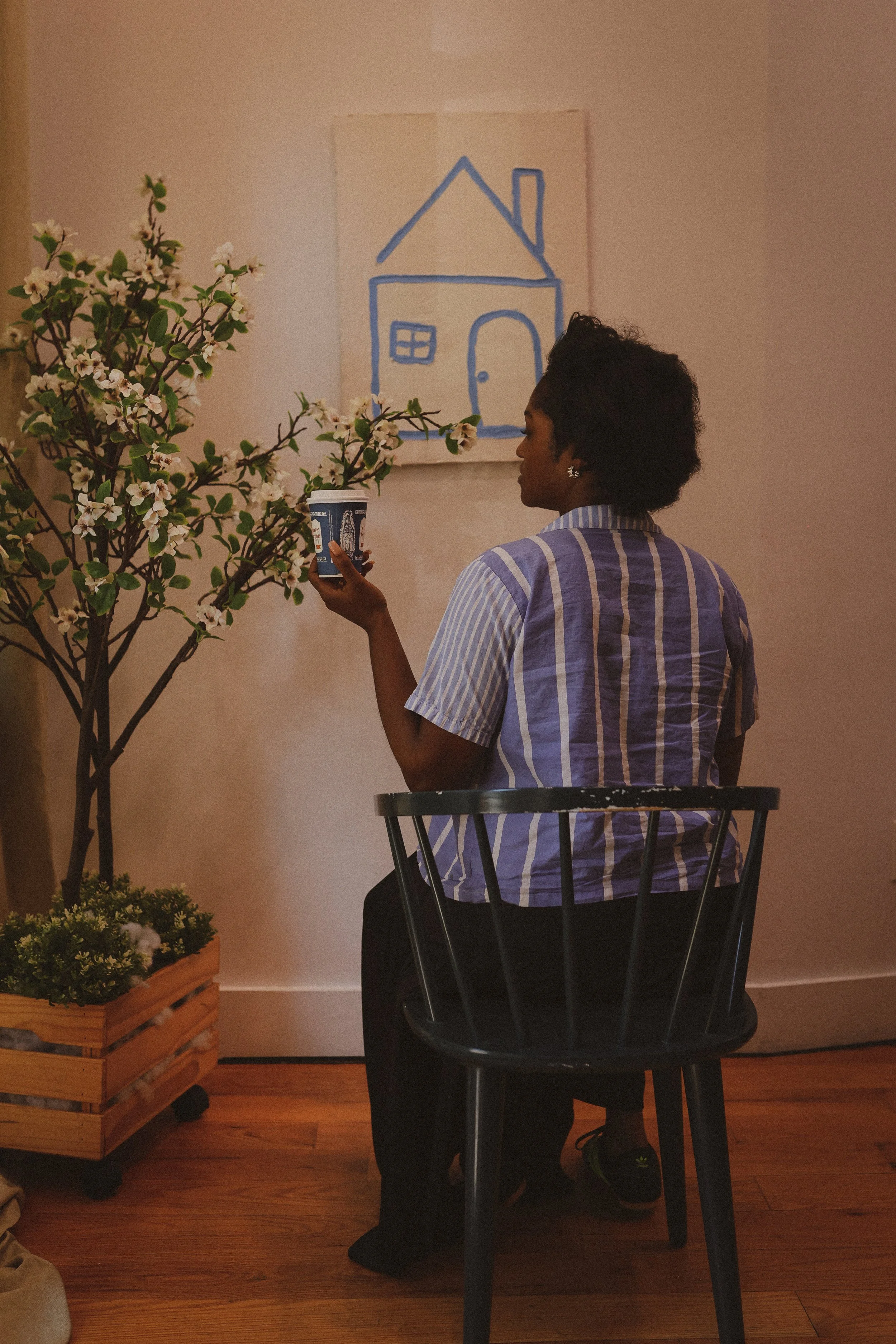
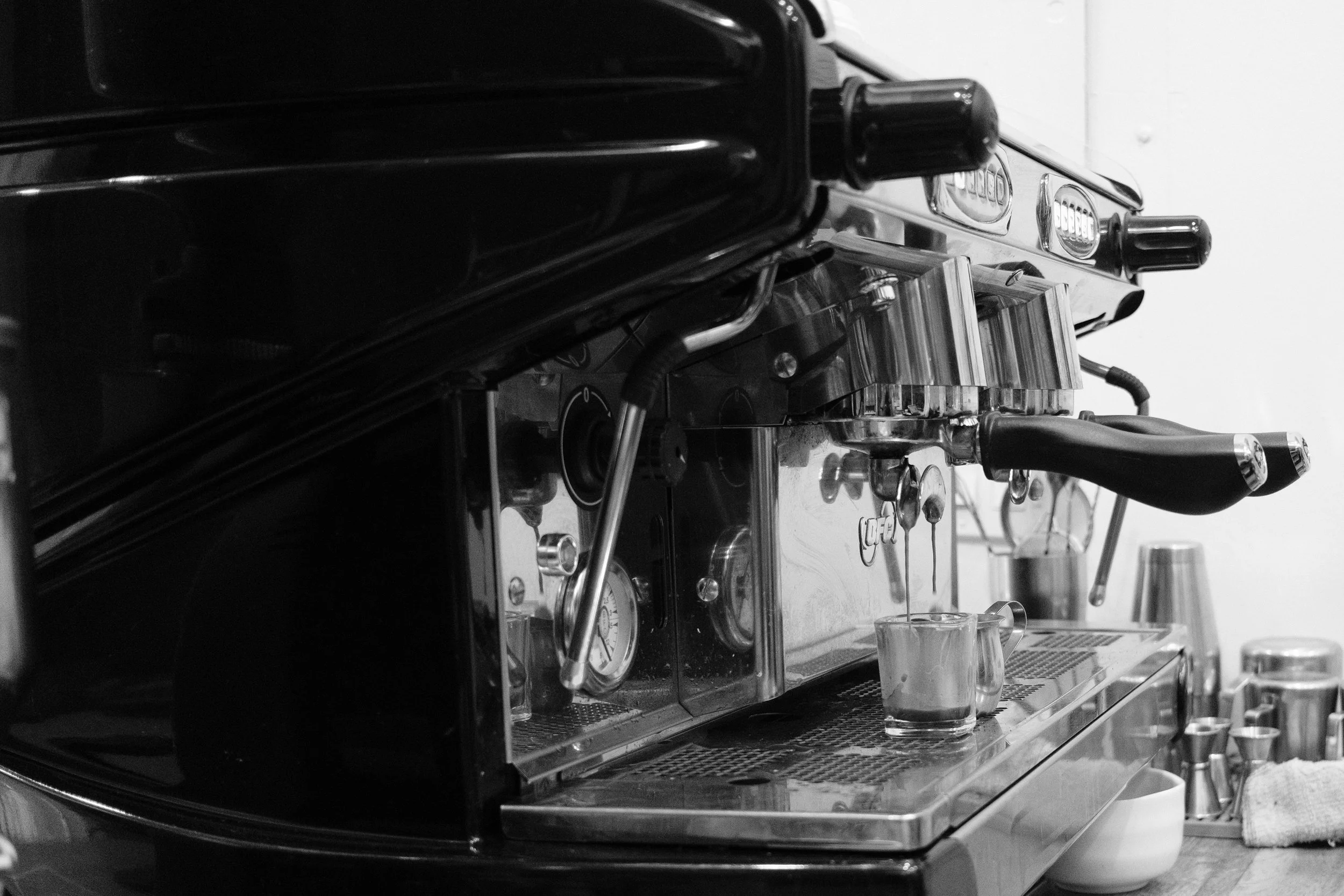
Before the first cup is poured, value has already begun accumulating. It begins well before the door welcomes others at 8 a.m. Long before someone reaches for a breakfast sandwich on the way to work or wraps cold hands around a paper cup, the work has already begun. Lights click on. Coffee beans are measured into the grinder. Milk is stocked. The griddle warms. The espresso machine comes to life with a hiss. Floors are swept again, tables are wiped for good measure, chairs are pushed into place, and counters are reset. There is a quiet faith embedded in these ordinary repetitions—a belief that someone will arrive hungry, tired, late, celebrating, curious, or simply in need of somewhere familiar to begin again.
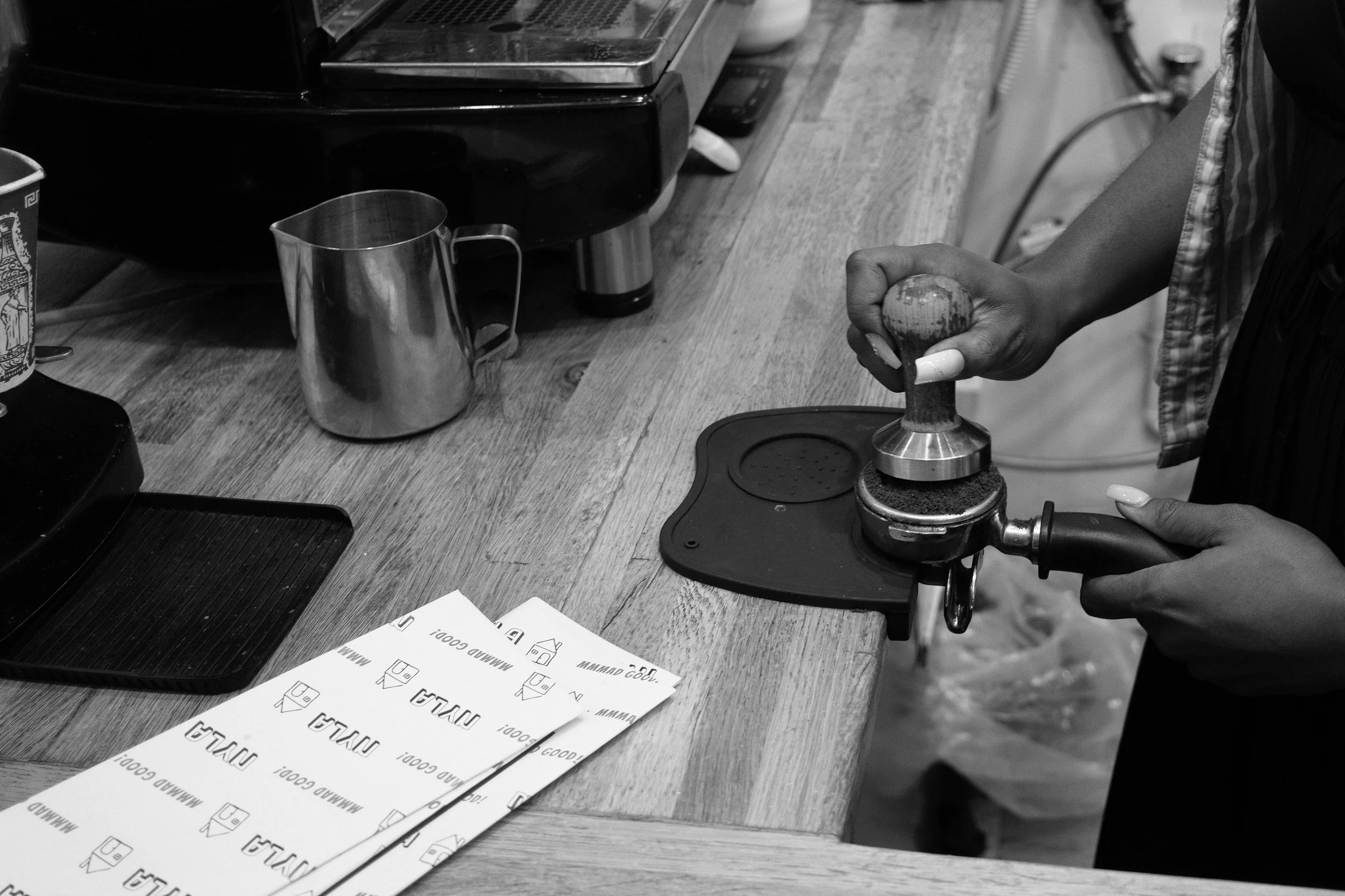
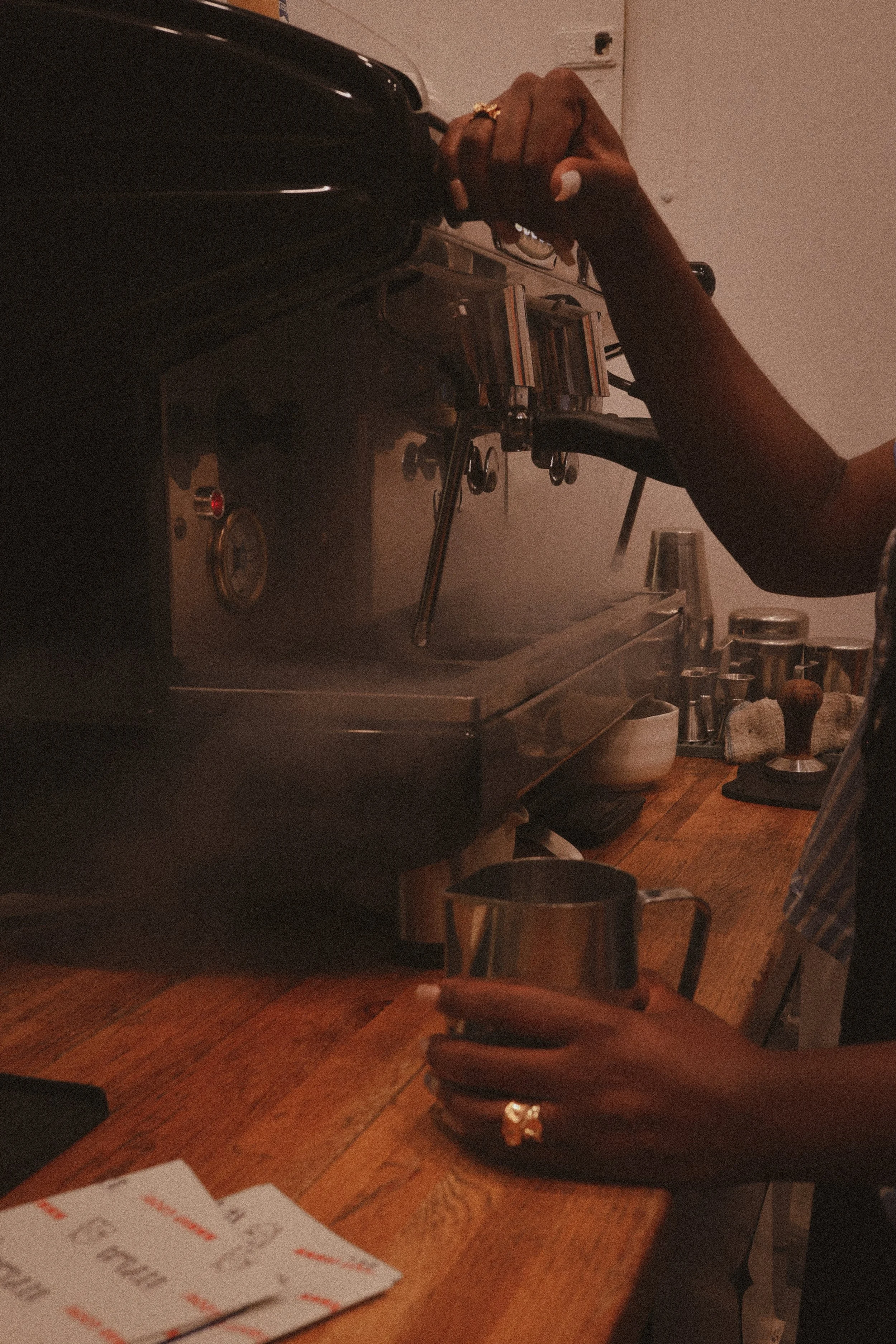
A neighborhood café keeps more than business hours. Every morning, it says: we're here. That promise is built by hands as much as by intention—hands that tamp espresso, steam milk, wash pitchers, and wipe down the machine before doing it all again. Between orders, there is maintenance that no customer lingers to watch: the griddle scraped clean, the floor swept for the second or third time, the tables reset after a rush. The work is cyclical, almost invisible, yet it is this repetition that gives a place like this its reliability. The assurance is rarely dramatic. More often, it looks like showing up before sunrise to prepare for someone else's morning.
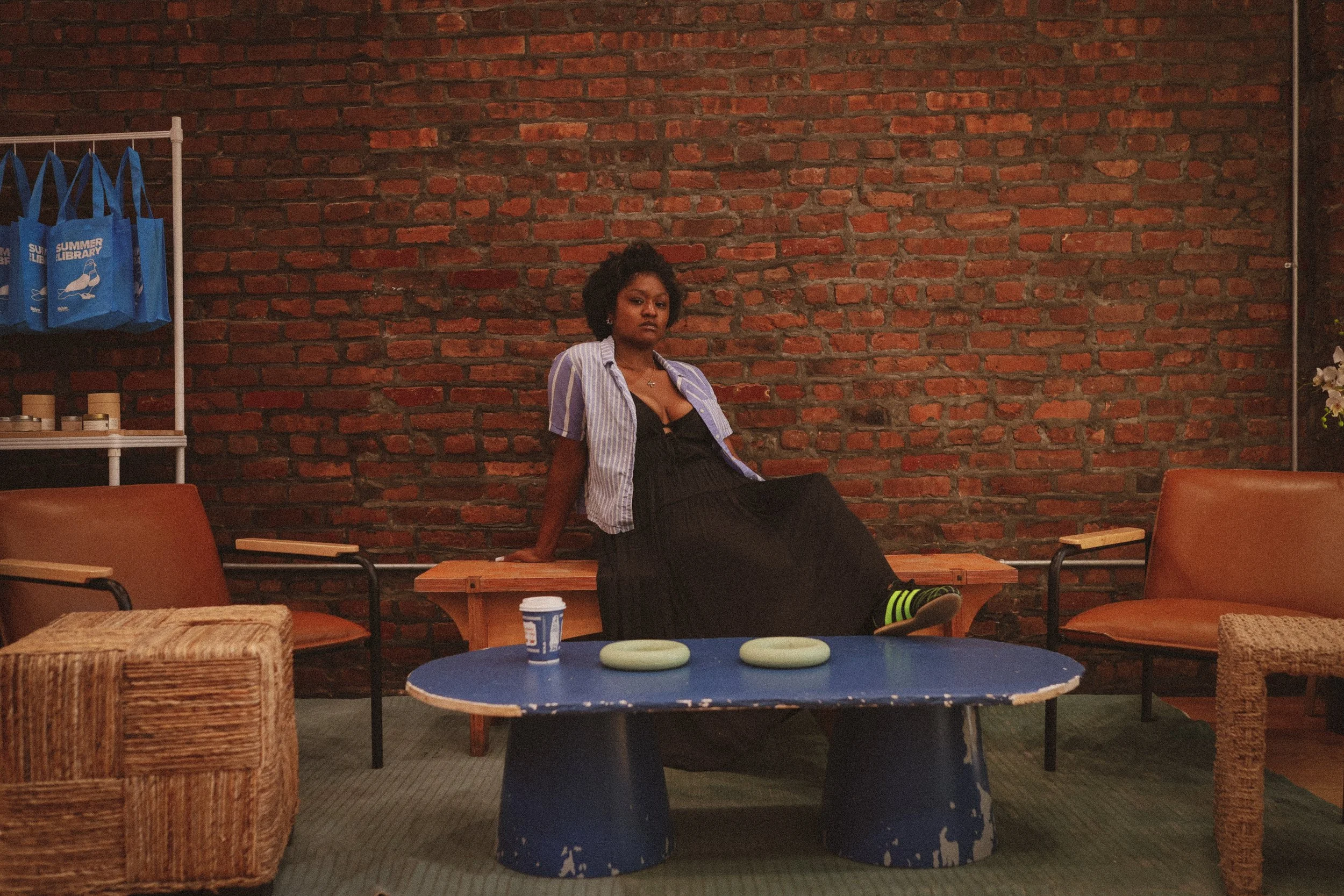
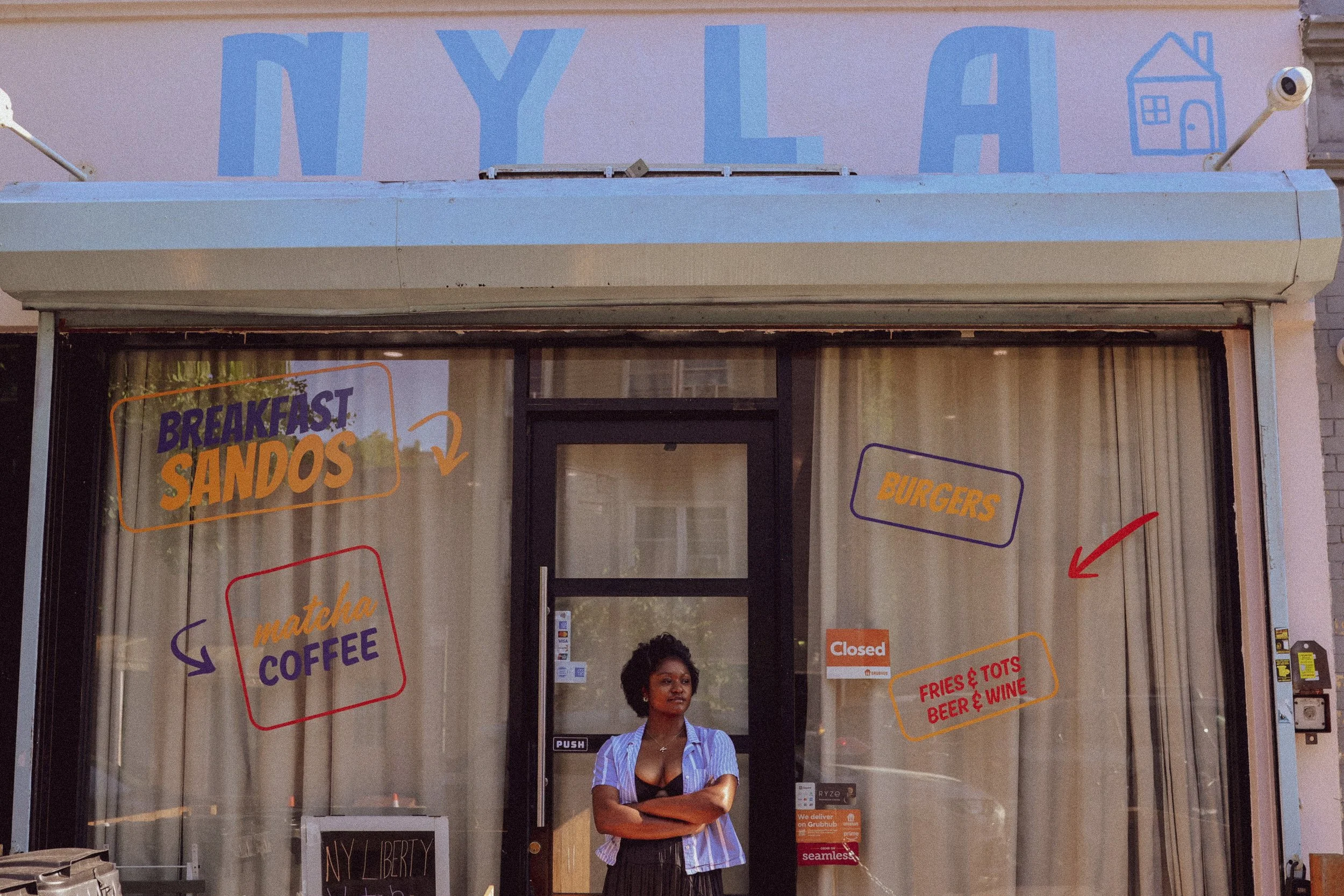
Here, much of the labor belongs to the owner, Kylei McGill herself. Her portrait is inseparable from the space because she is inseparable from its rhythms.
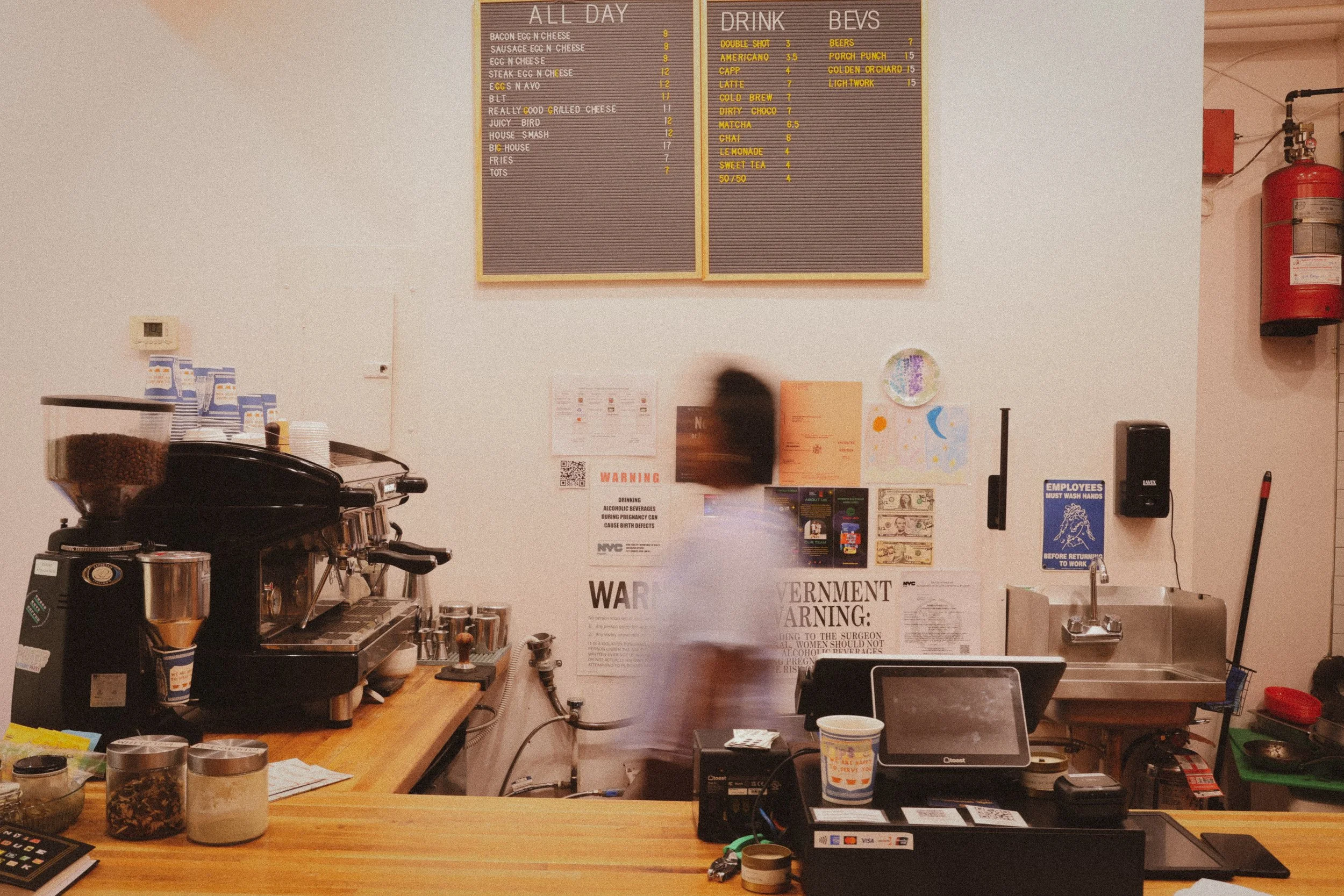
She stands behind the register, behind the espresso machine, and behind the decisions that shape what this place becomes each day. Her presence resists the polished mythology of ownership. It emphasizes her participation in the ordinary: a hand pressing espresso, sore wrists after expert use of a matcha whisk, a glance toward the front door between drinks. Ownership is not only vision—it is maintenance. It is care made visible through repetition.
NYLA House announces itself with personality. Calling itself the “Bougie Deli,” its menu carries the tastes and character of a neighborhood rather than smoothing them into something universal. Carefully sourced drinks from local businesses line the refrigerator. A mural recalling the city’s ubiquitous 24-hour delis stretches across the wall, placing the shop within a longer local tradition of gathering places and everyday rituals. Nearby, a photo book filled with snapshots from in-house community events and neighborhood celebrations invites visitors to revisit moments they may have lived themselves. The walls hold artwork by local artists. It all becomes part of the neighborhood’s internal map—one of the places people assume will be there when they need it.
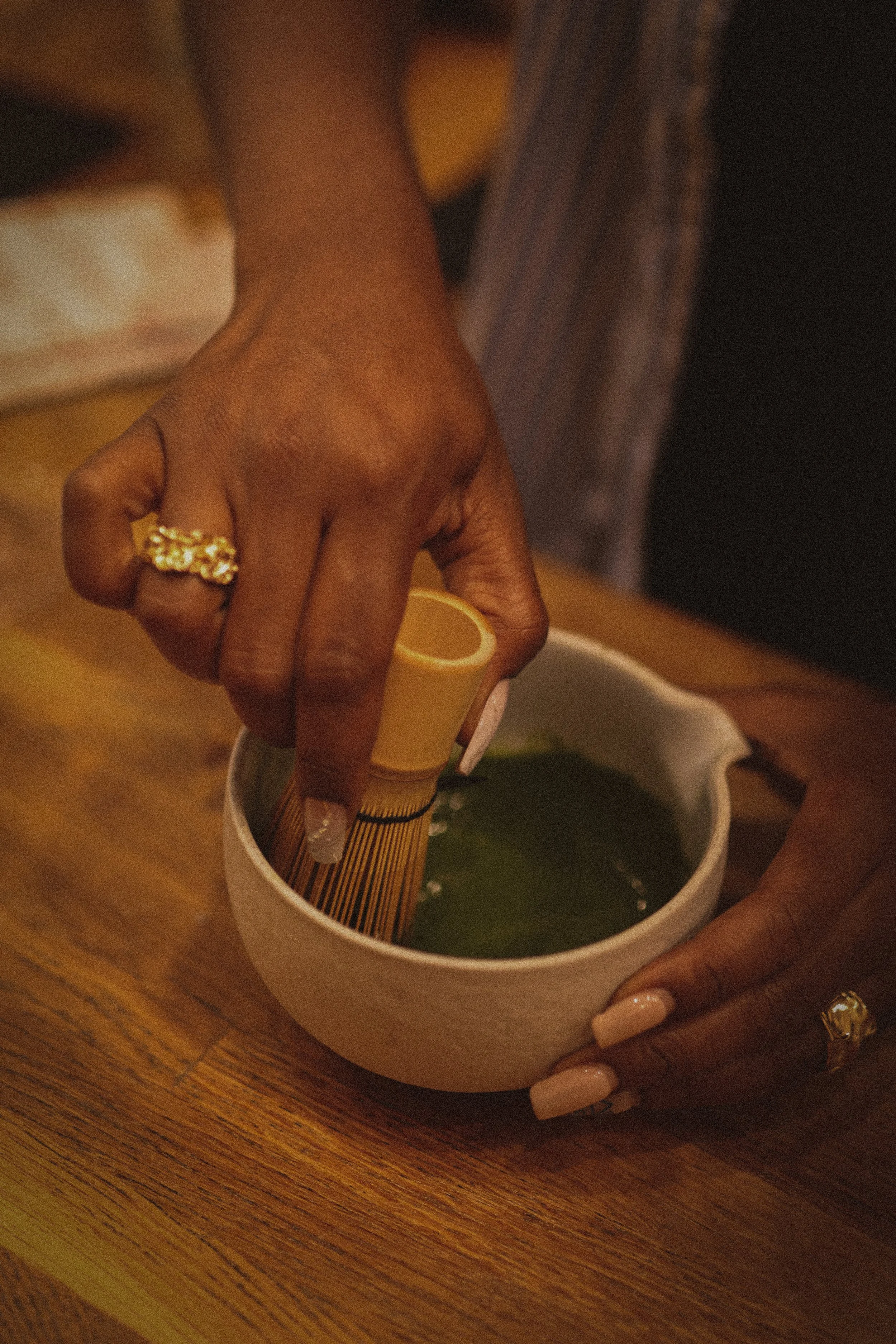
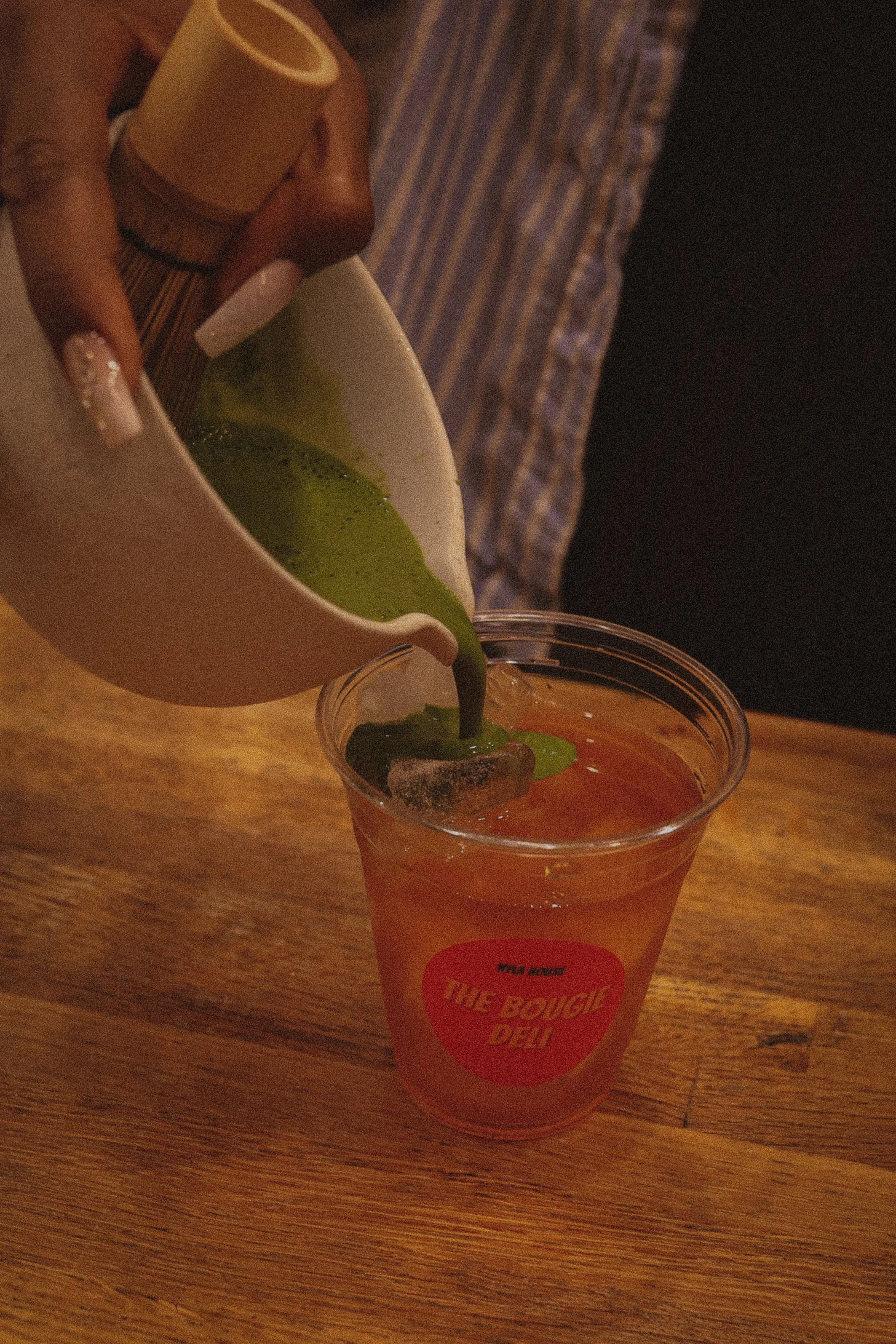
For a Black-owned small business, this consistency carries particular weight—not because it speaks for an entire community, but because becoming a reliable part of one holds its own significance. To remain open, to remain dependable, and to become part of a neighborhood’s routine is its own quiet achievement. Regular customers return not only for coffee but for recognition. The exchange is familiar: an order remembered, a greeting exchanged, a seat instinctively chosen. Commerce becomes relationship through repetition. Over time, the storefront becomes something more integral than a destination.
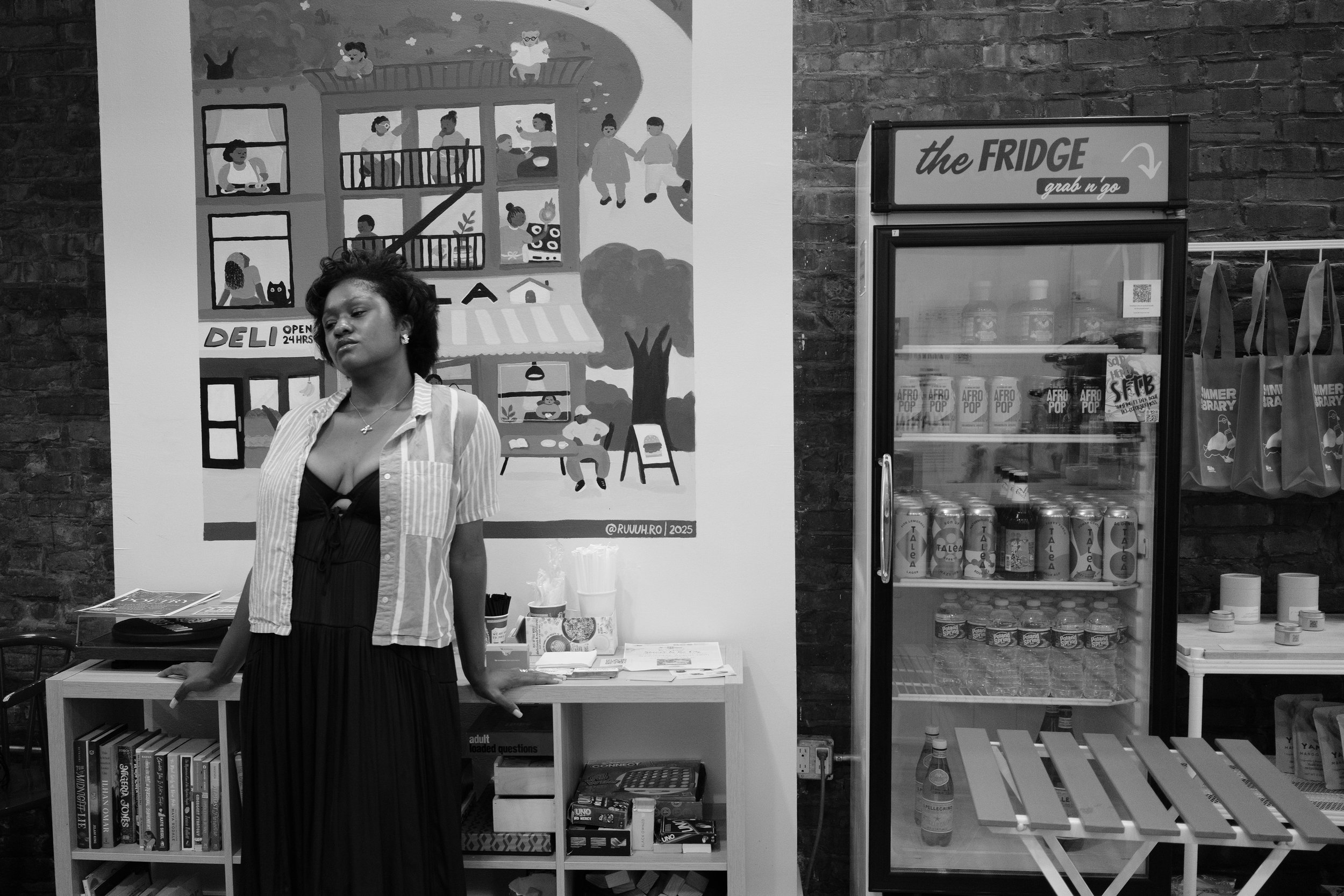
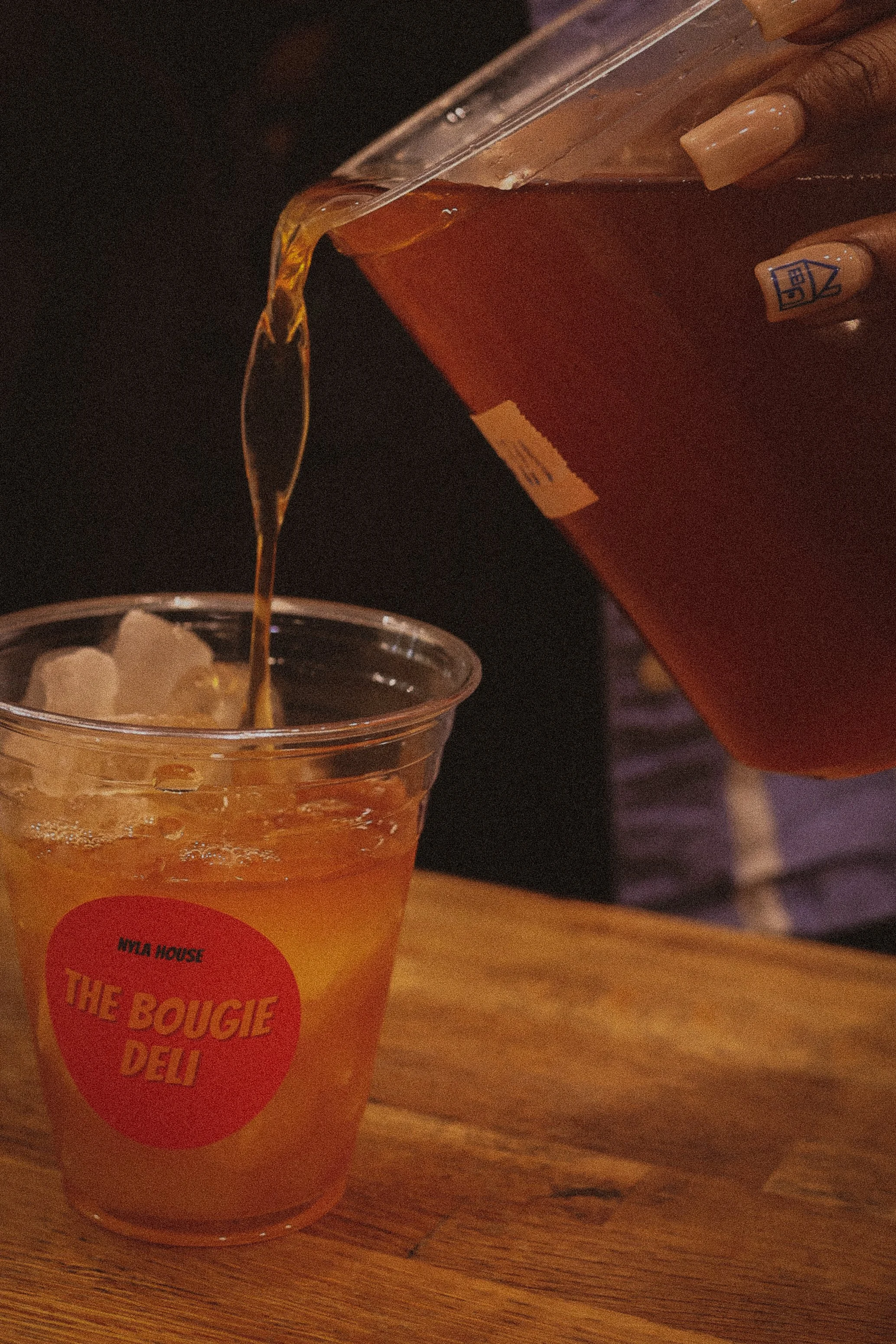
Every object participates in that larger ecosystem of value. Coffee beans become espresso. Coffee becomes conversation. Breakfast sandwiches fuel a workday. Brands stocked in the refrigerator become introductions to neighboring businesses. Murals become landmarks. Photographs become memory. The menu becomes personality. The disposable cups leave the building, carrying its name into the rest of the city before returning the next morning in the hands of someone new—or someone who has been coming since opening day. Value moves constantly through the space, changing form without disappearing.

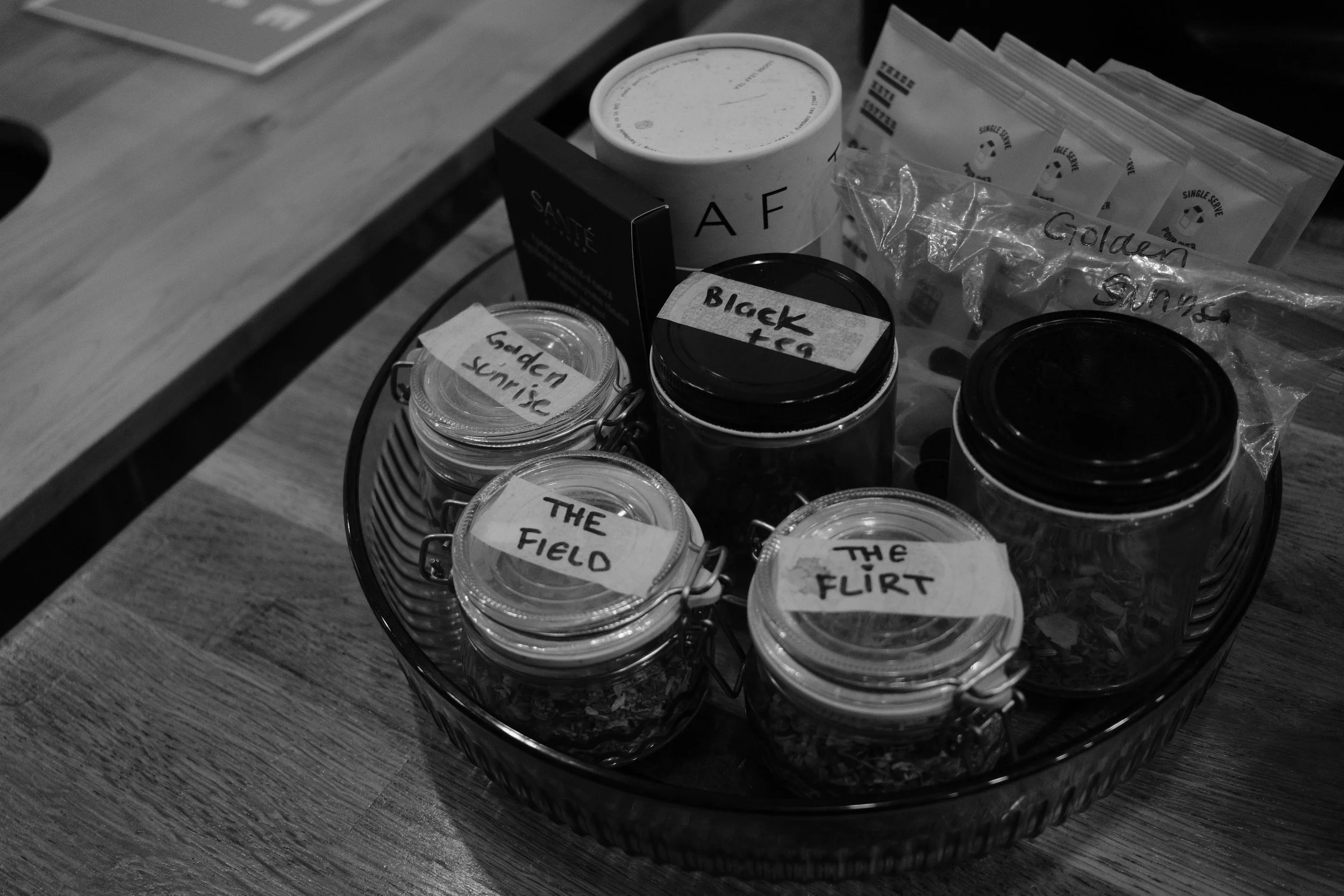
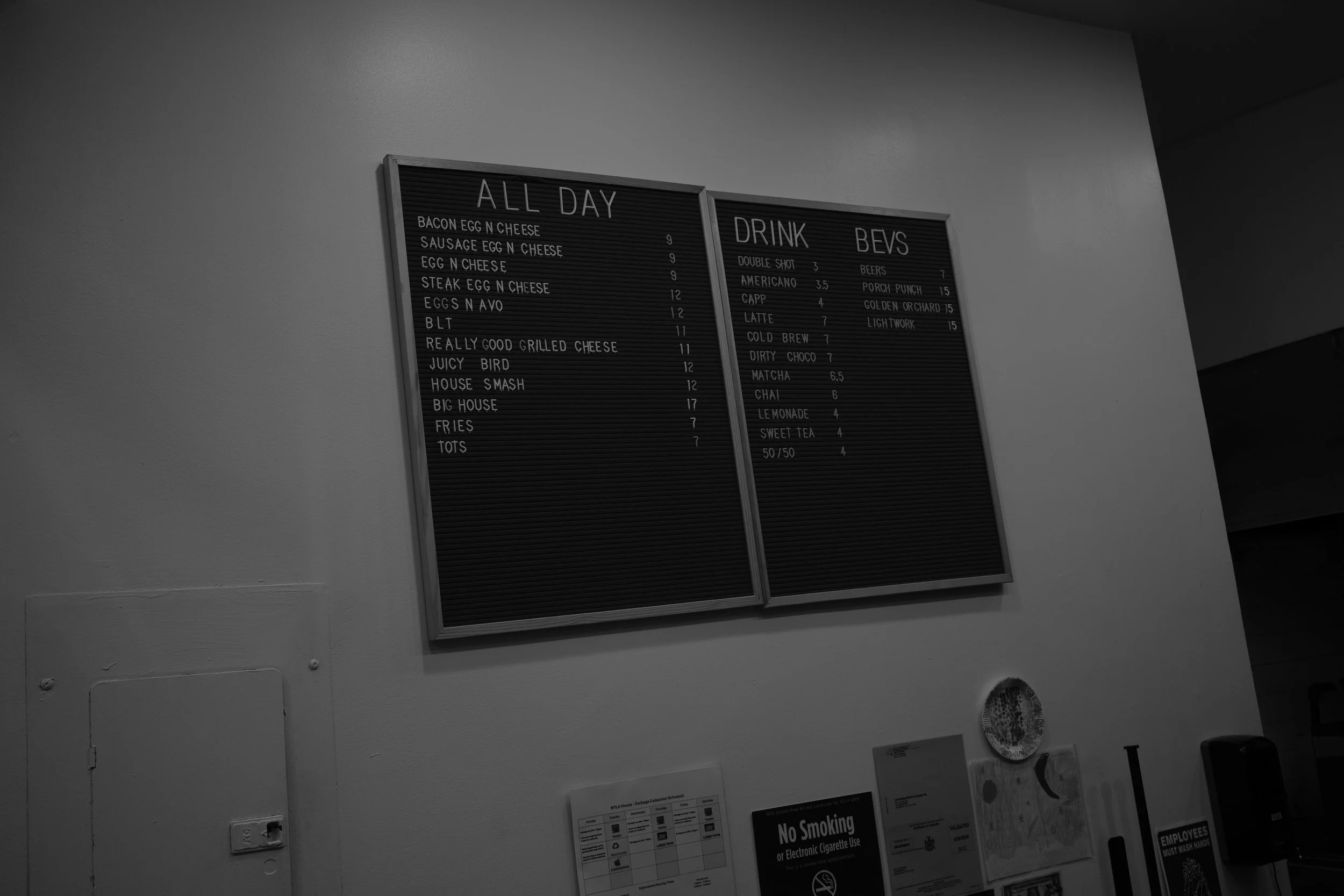
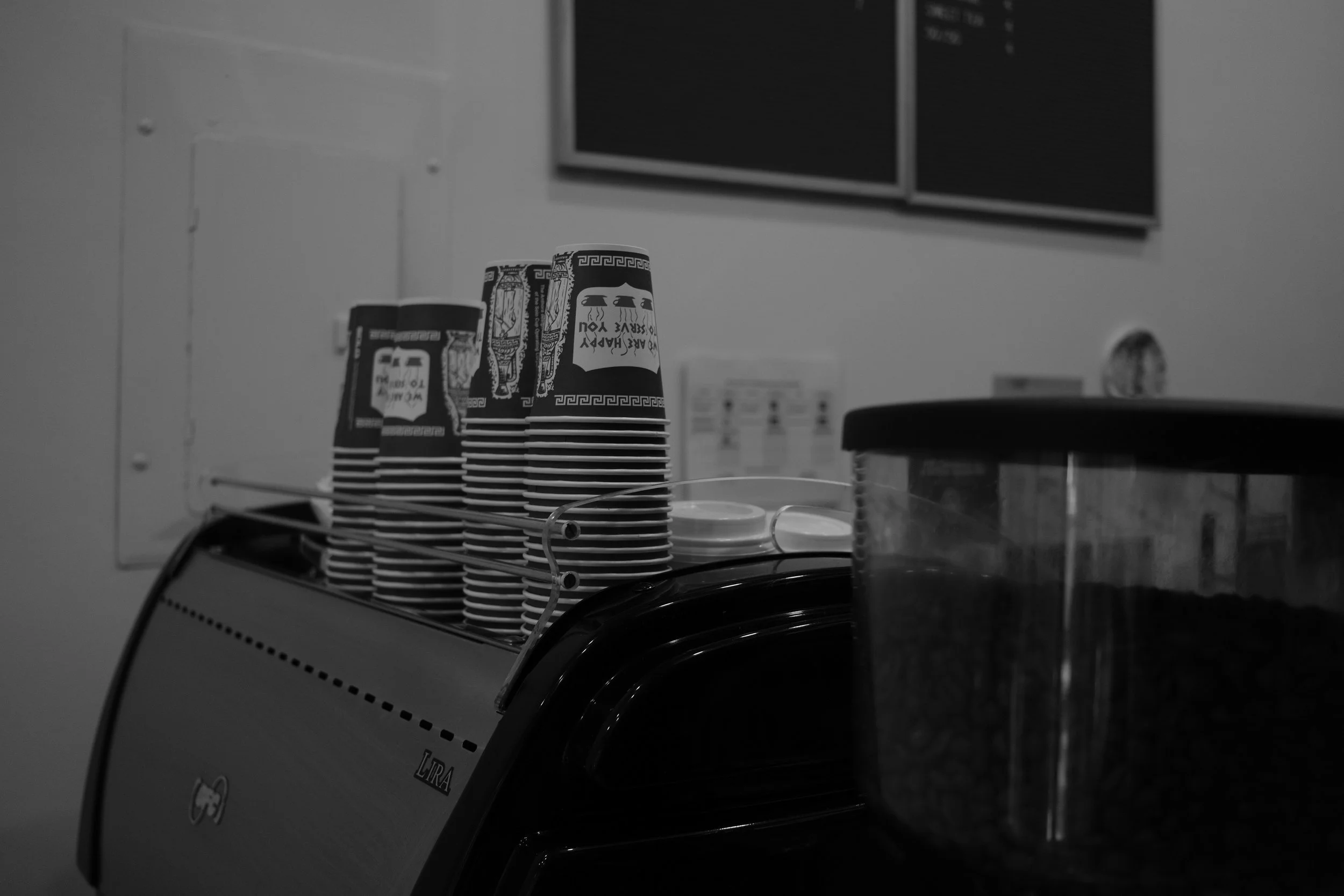
There is intention in the way NYLA House names itself. “House” suggests authorship more than ownership—a place shaped by someone’s standards, taste, and labor. Alongside the café’s name, another identity appears with equal affection. The moniker, “The Bougie Deli” doesn’t promise luxury in the conventional sense. Instead, it points toward a different understanding of abundance—one built through investment rather than extravagance. To carry both names is to exist between two value systems: one deeply personal, the other unmistakably local.
As New Yorkers know, the deli is more than just a place to buy coffee or breakfast. It is an institution measured less by novelty than by consistency—the confidence that the coffee is ready, the grill is hot, and someone is behind the counter before the city fully wakes. NYLA House invites people to do more than pass through. It creates space for exchange: between owner and customer, neighborhood and business, labor and return.
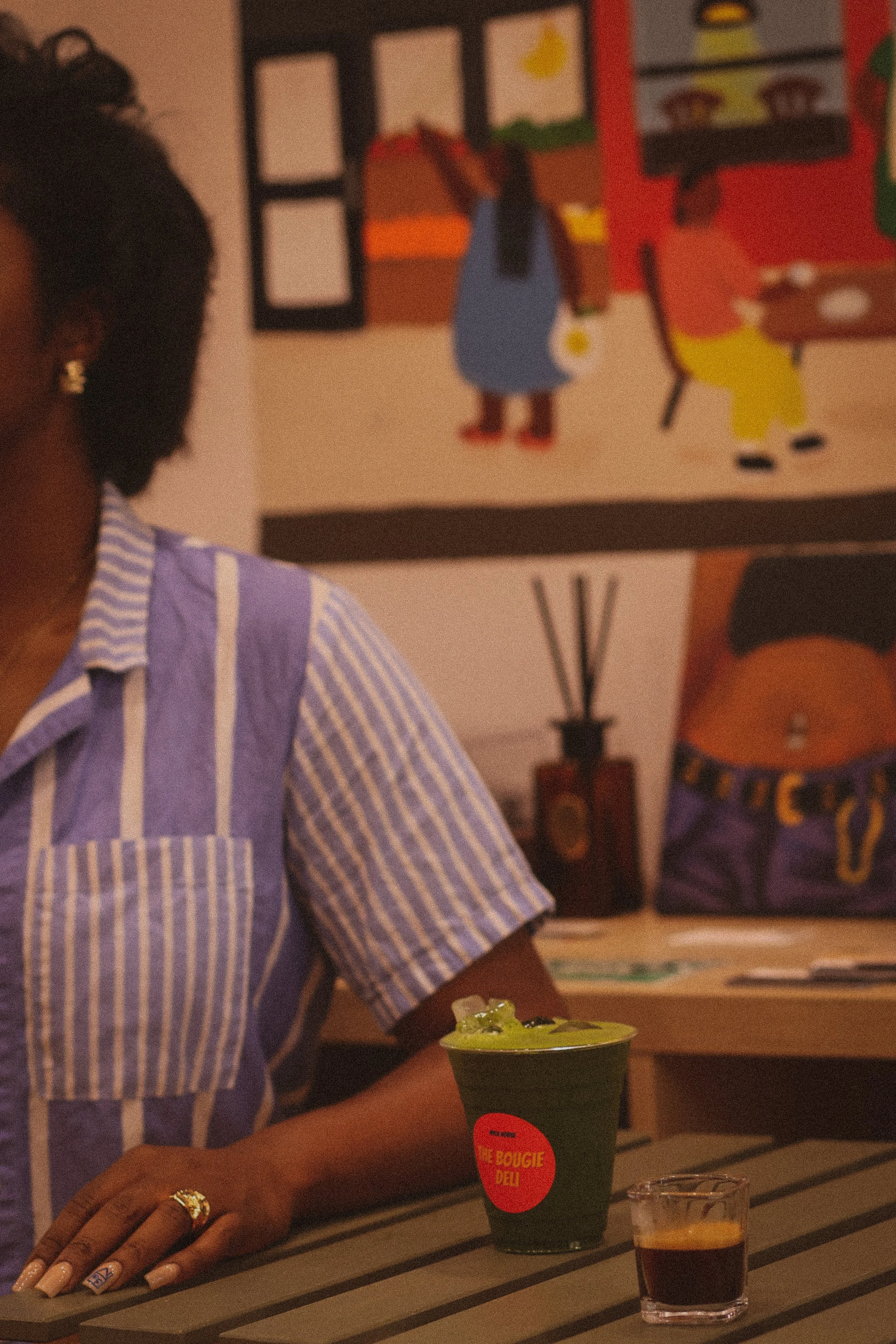
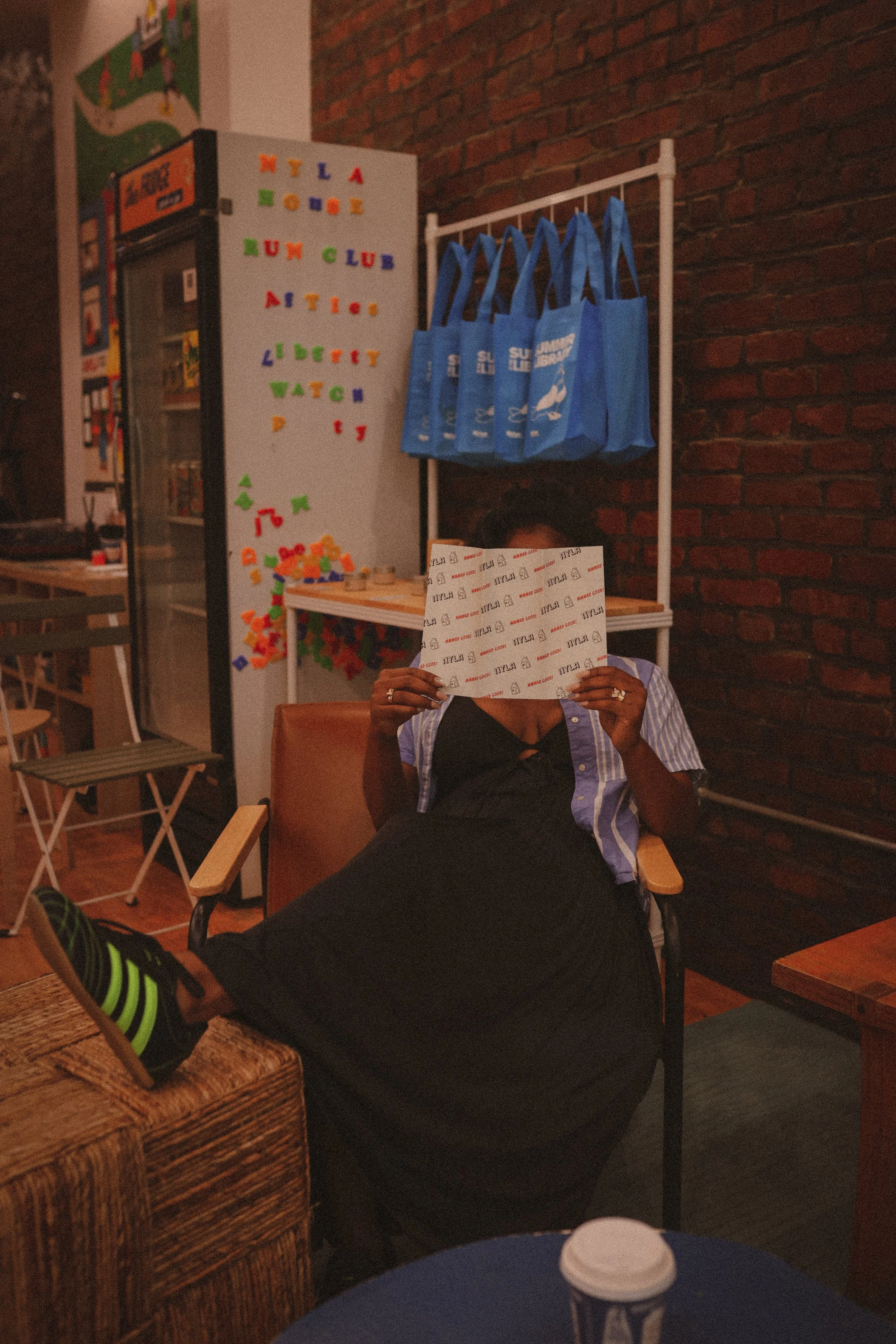
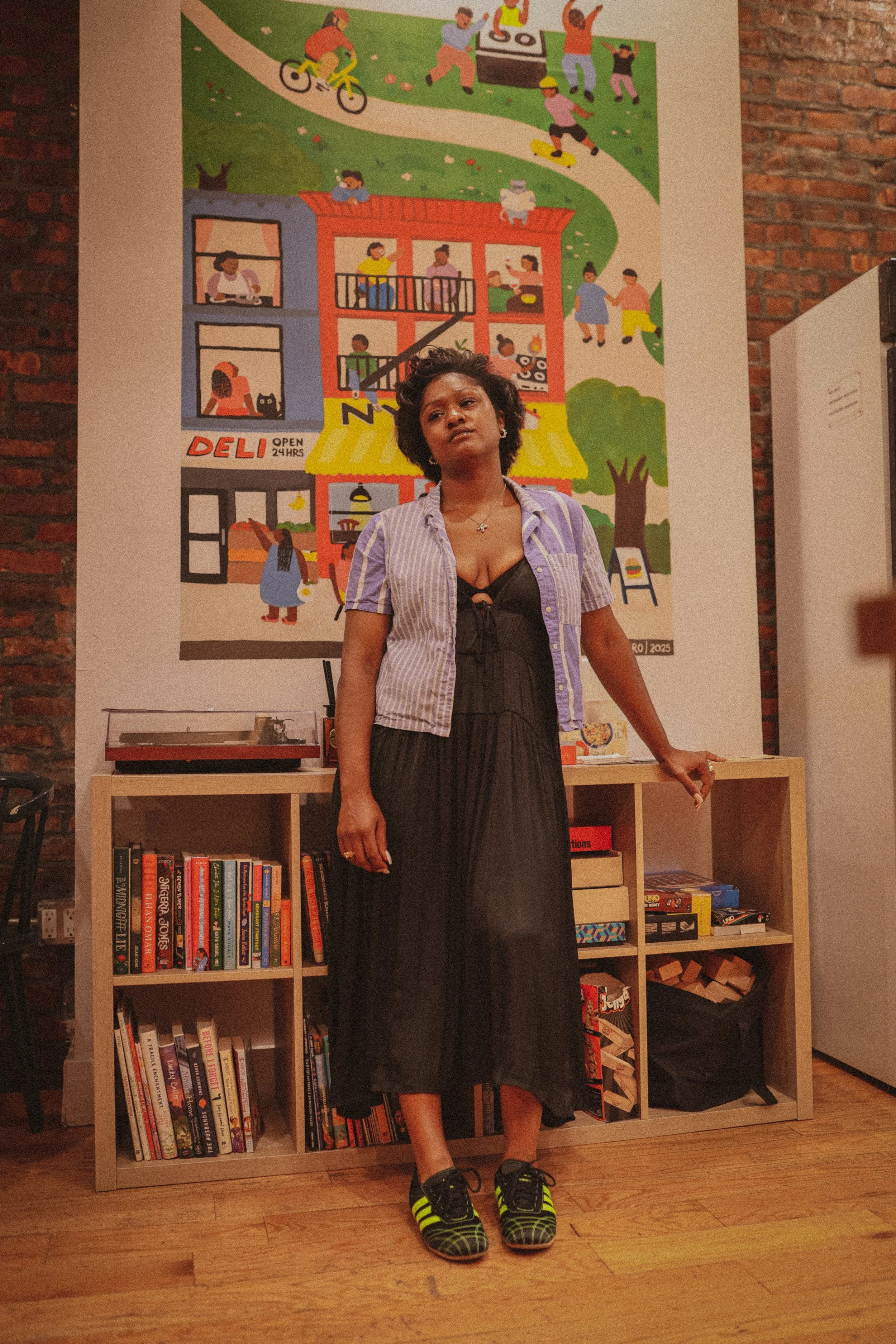
Value is visible in the choices that remain—choices that are not decorative afterthoughts. They reveal where resources have been placed and what they are meant to cultivate.
Over time, these decisions become part of the landscape. The value of a place is not only found in the things that can be counted—the monthly rent, the cost of supplies, the numbers behind a register, or the square footage that determines what a space is worth on paper. For small businesses, staying open often means navigating the tension between financial survival and the intangible value a place creates. As neighborhood gathering spaces become increasingly difficult to sustain, what is lost cannot always be measured in revenue alone. It lives in the counter worn from daily use, the machine maintained by practiced hands, the cup someone carries down the block, the familiar face behind the register. What begins as an investment of time, money, and labor becomes something more enduring: a collection of choices that transforms personal resources into shared value.
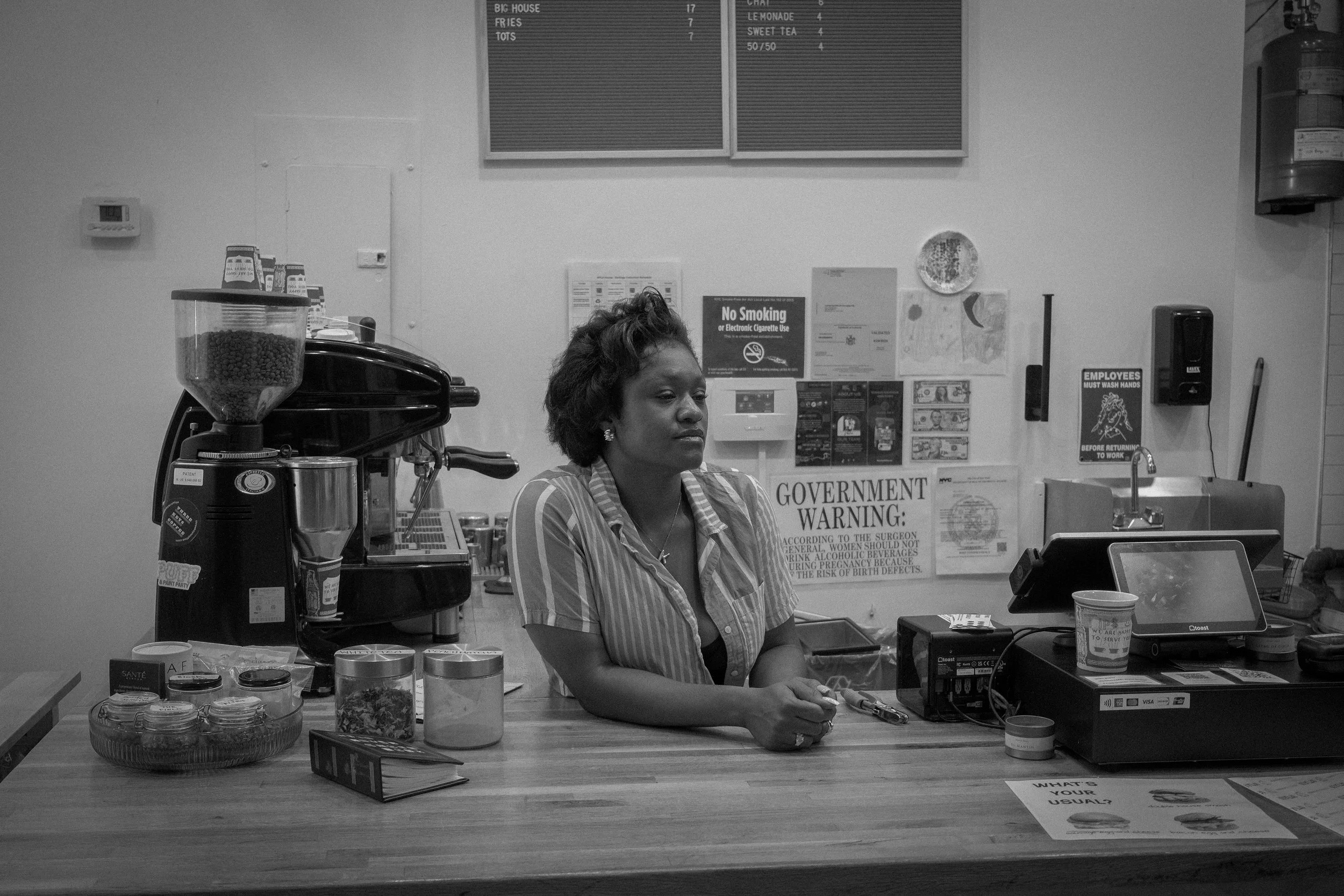
NYLA House reflects the quiet accumulation of care: what has been built, what has been preserved, and what continues to be offered back to the people who walk through its doors. The wealth of a business is measured not only in what is left in the register, but in everything its owner continually puts back into the place—and in the neighborhood that recognizes the difference.
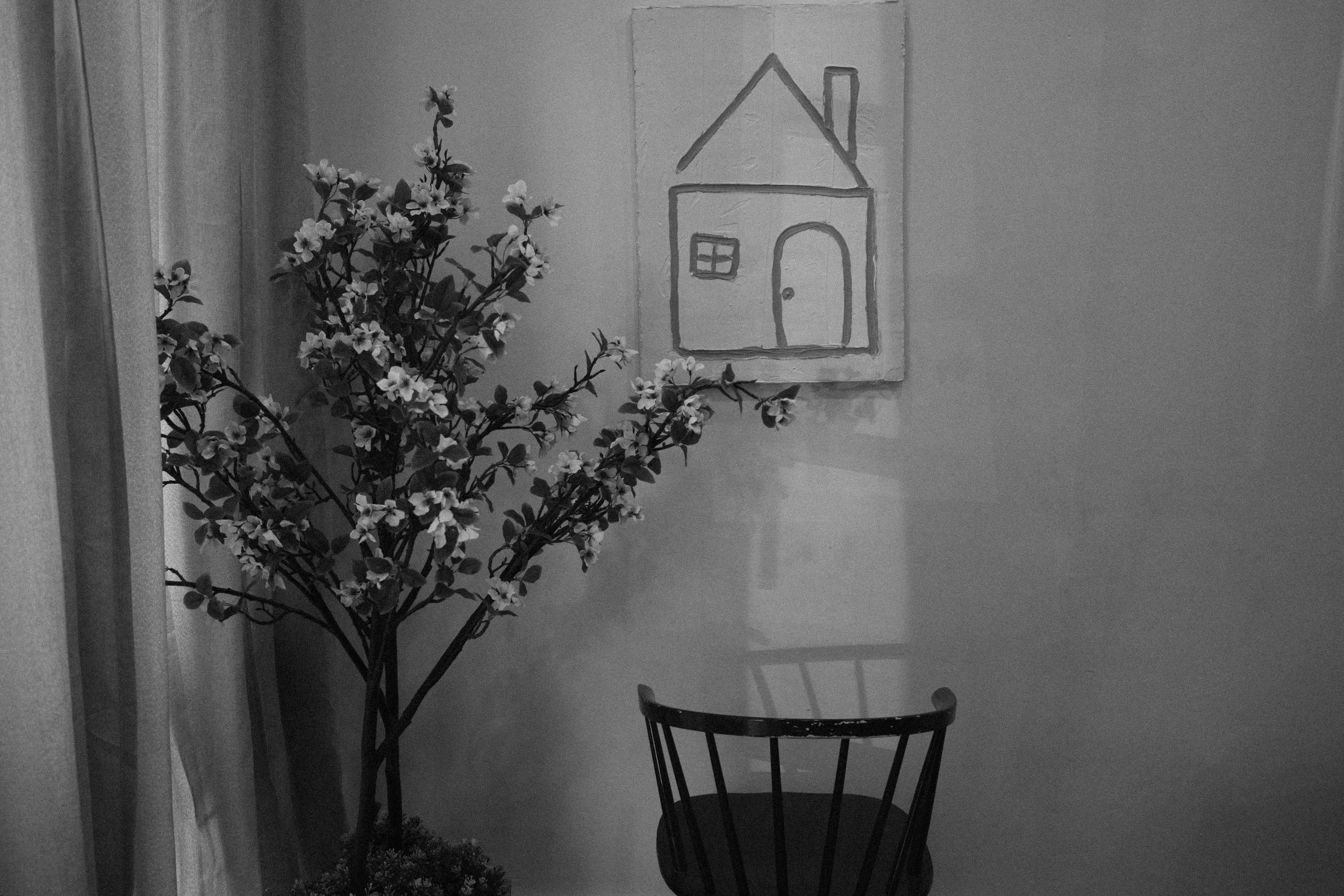
Photography by Ashley Munro
Editorial by MUNREAUX
Featuring Kylei McGill