PAYTON HAMILTON ON CNIDAE: evidence of intention.
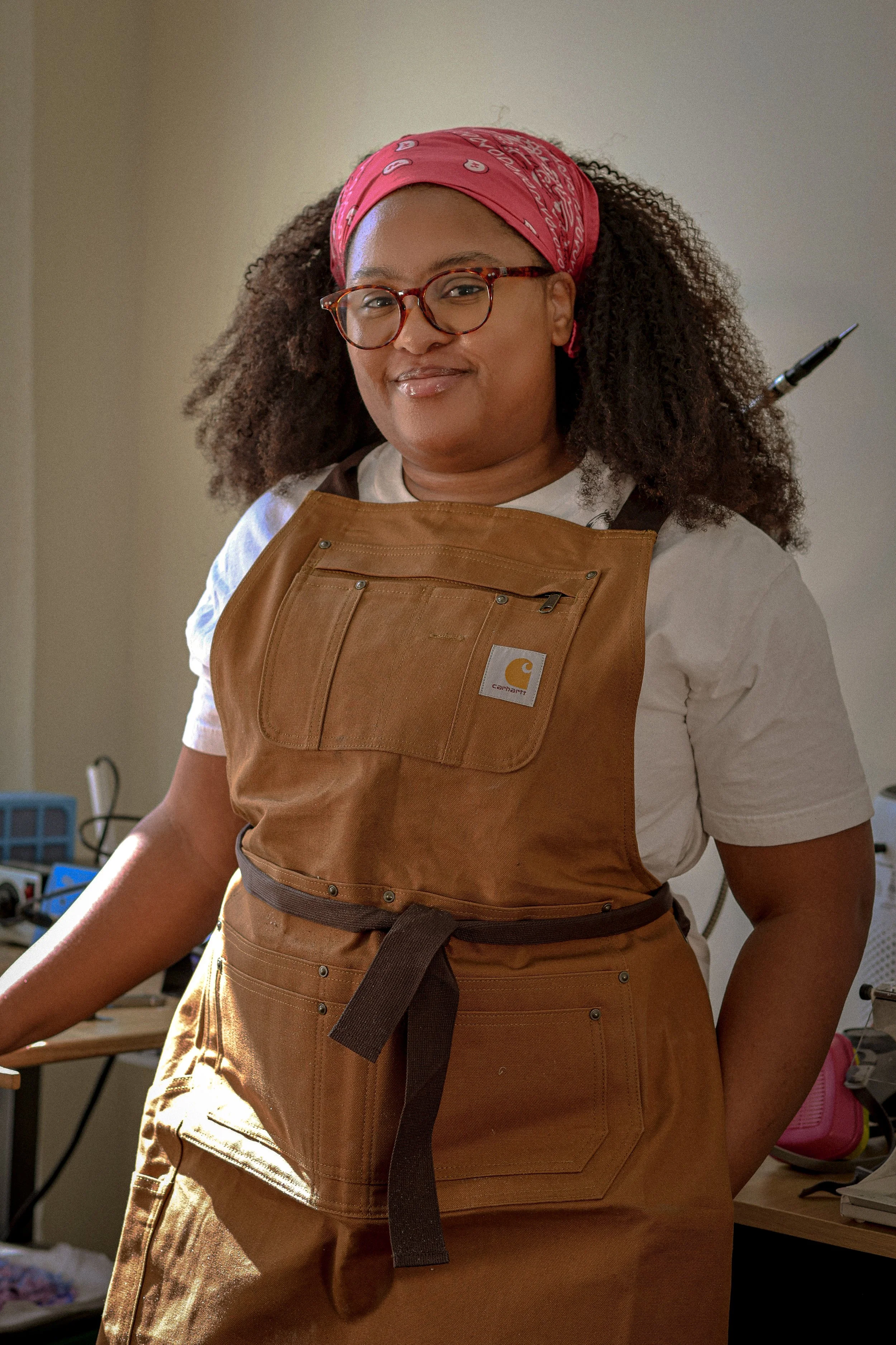
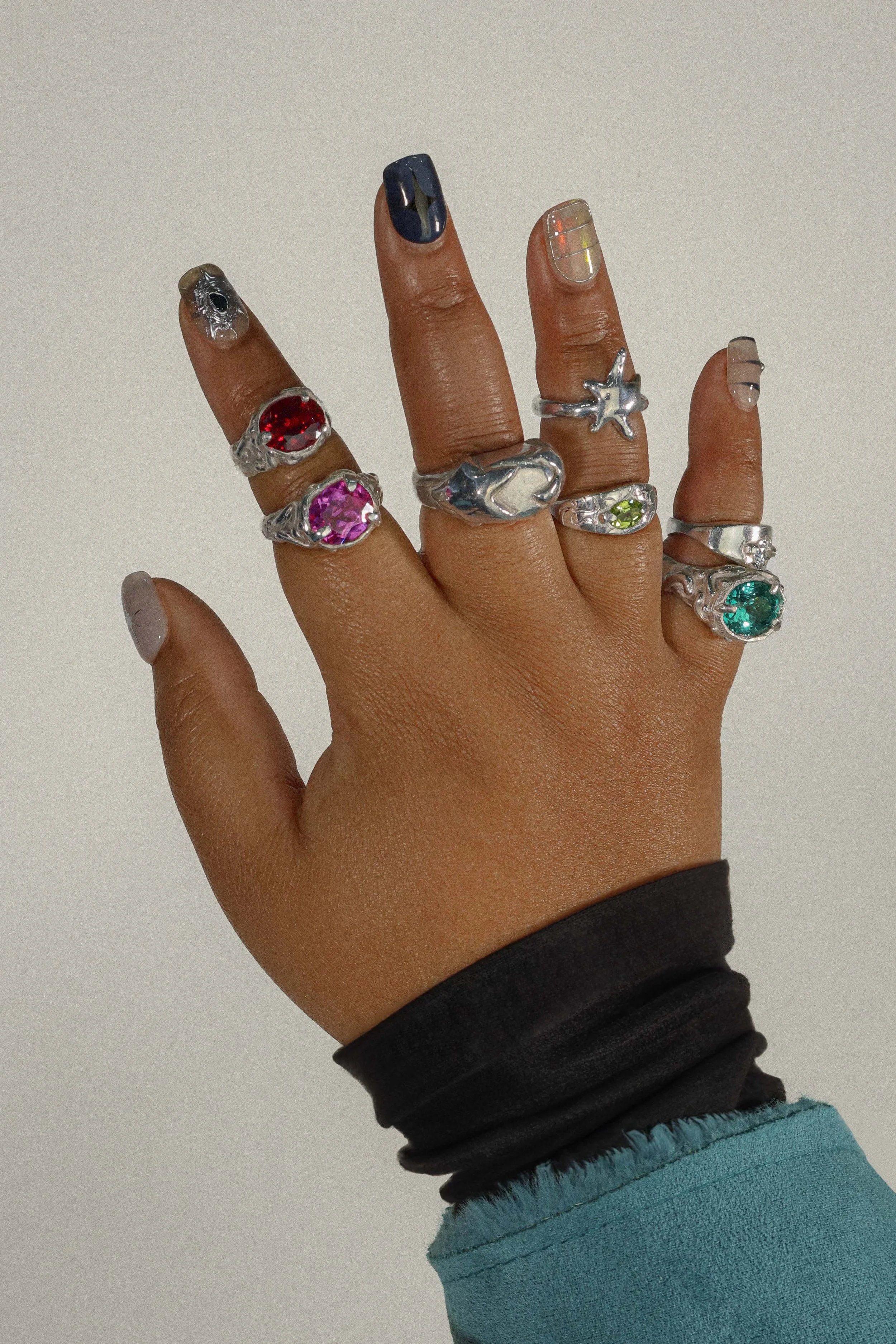
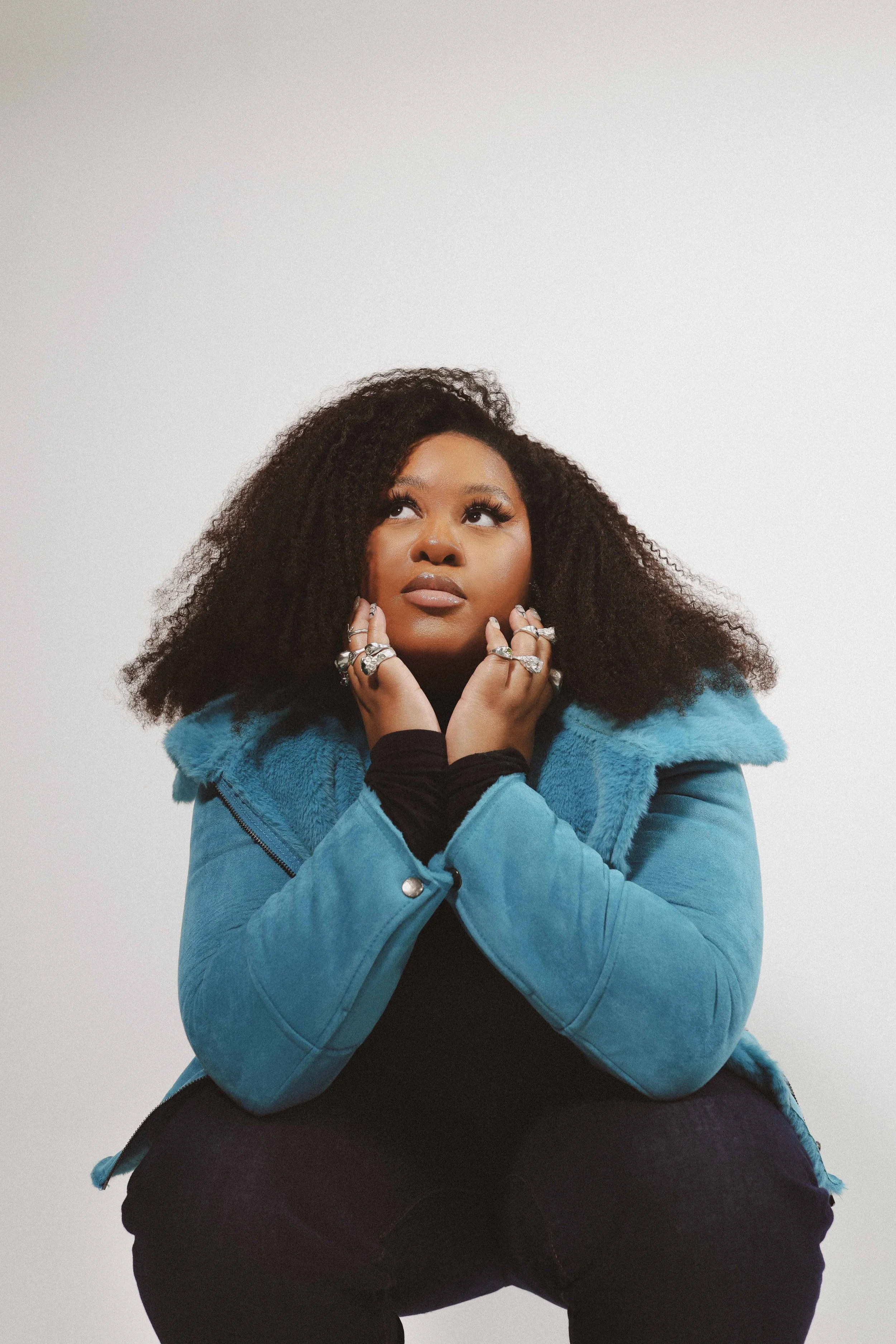
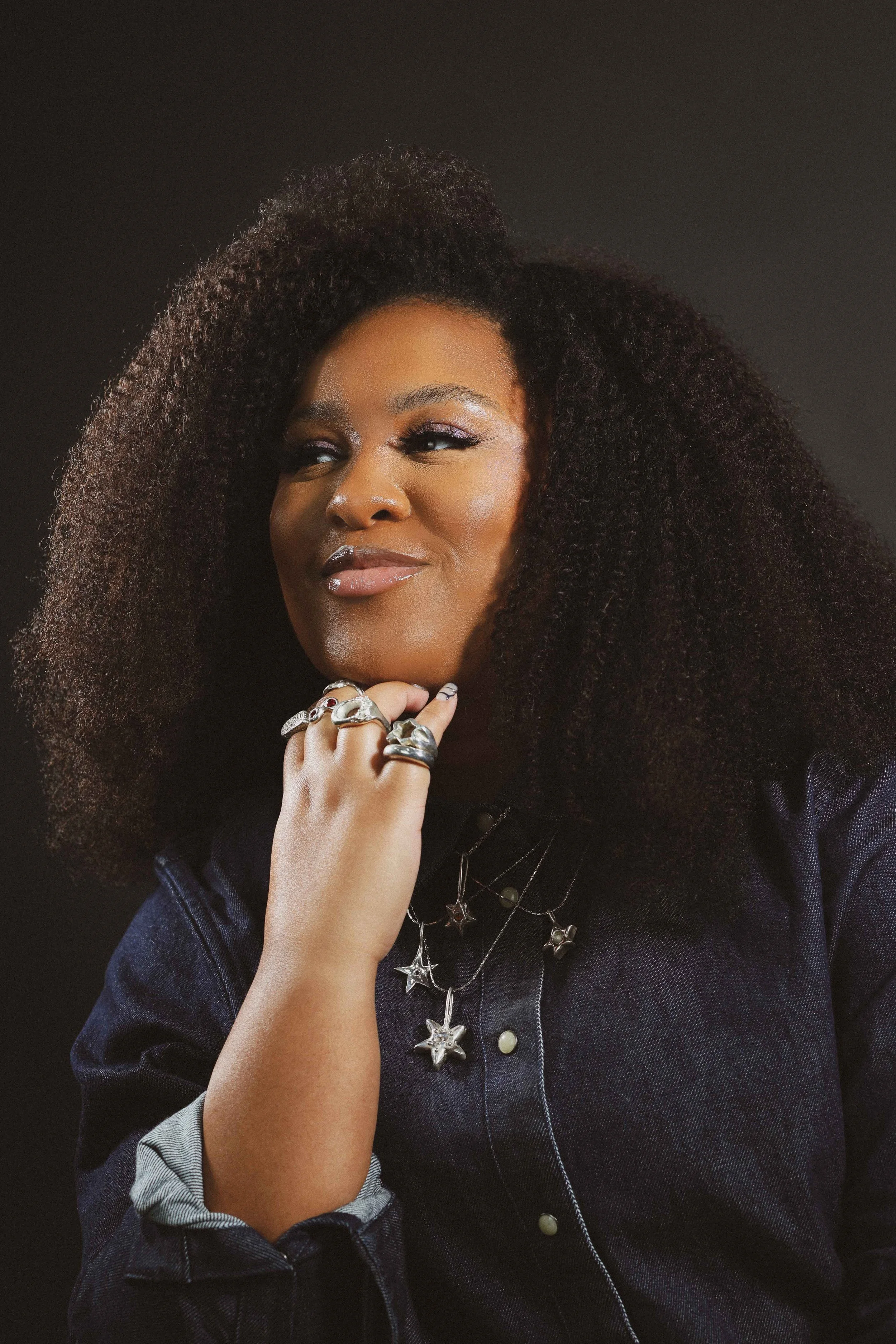
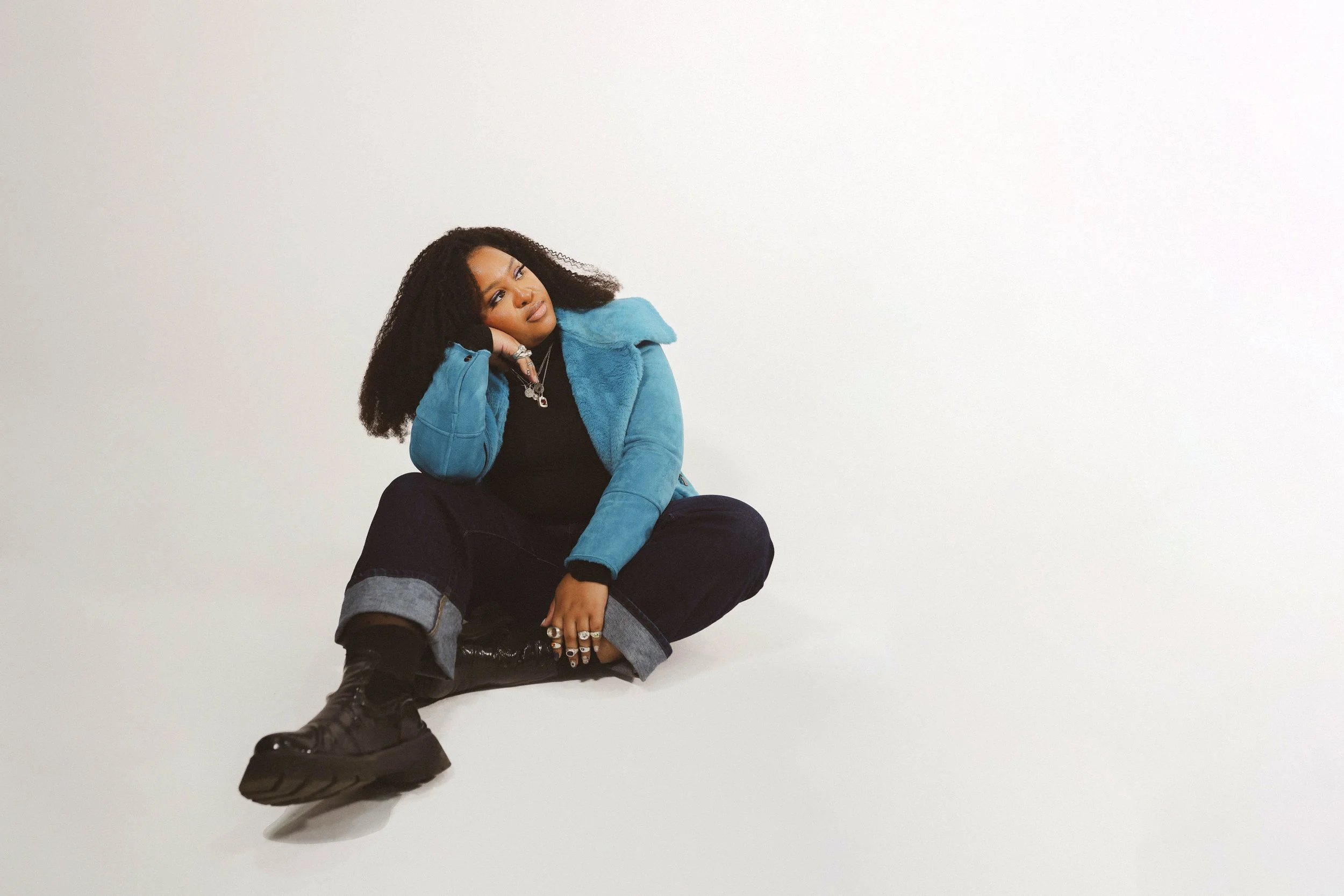
Over the past three years, Brooklyn-based jewelry maker Payton Hamilton has been shaping a life long imagined, one piece at a time.
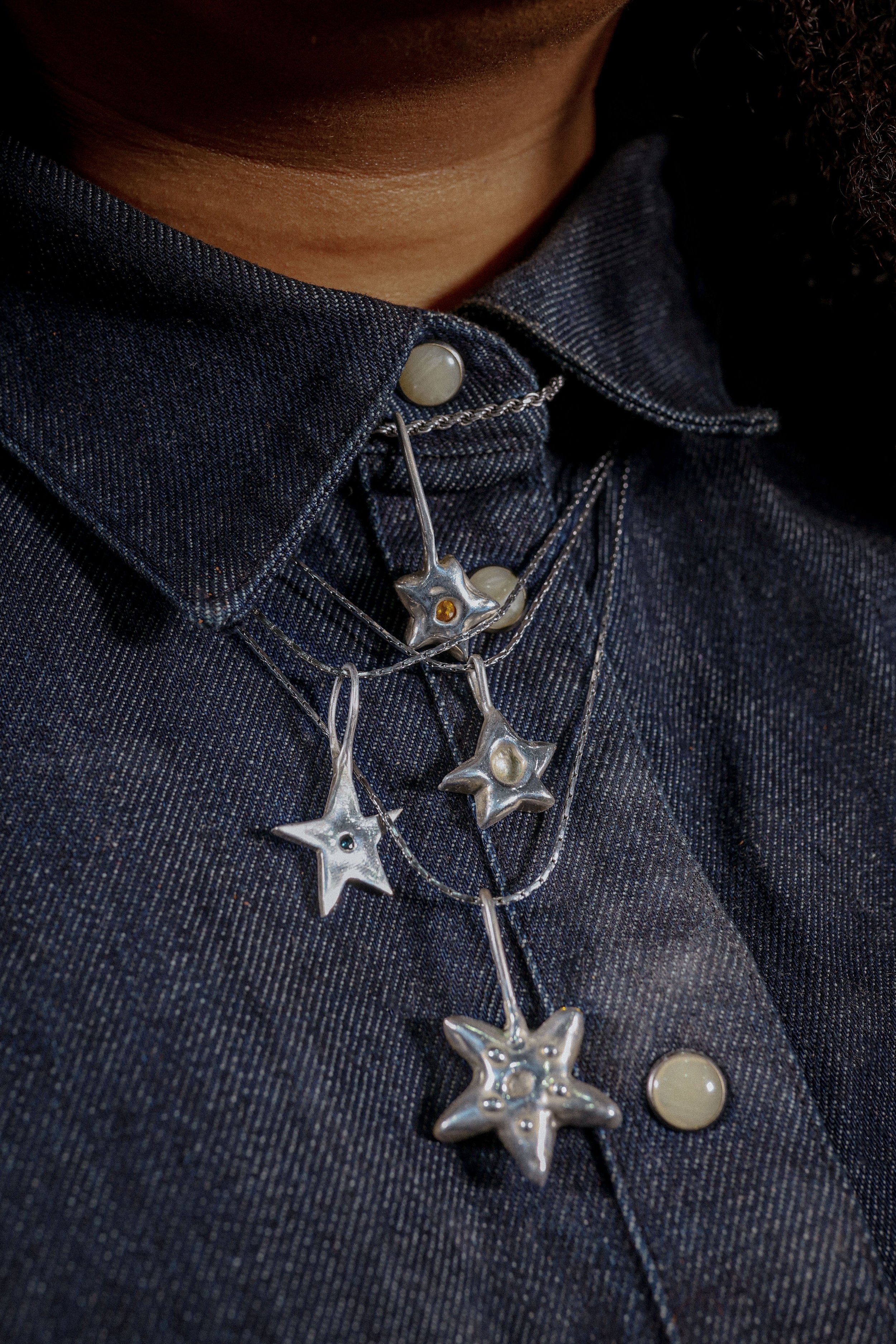
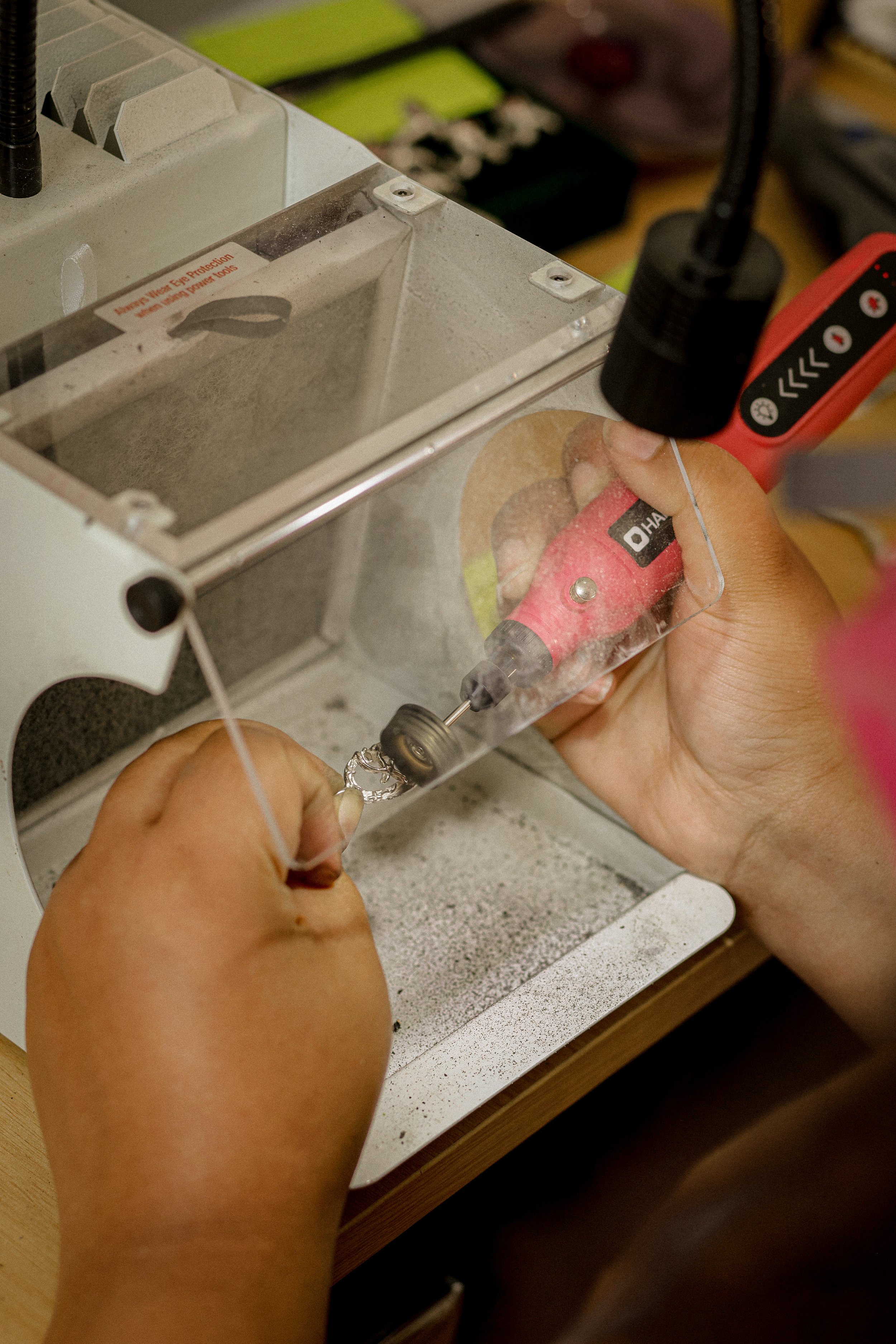
From sketching to molding, casting to buffing, Hamilton’s creations have evolved from a personal practice into a small business shaped by personality and self-expression. Known for its organic, bold silver designs, Cnidae has taken form through patience, intention, and sustained experimentation. Her process is not linear; it unfolds through instinct, missteps, and moments of quiet revelation—an ongoing dialogue between maker and material.
Cnidae reflects a creative landscape that rarely asks permission. That’s where the conversation becomes more compelling. Small businesses—especially in jewelry—are often expected to position themselves between preservation and accessibility: honor tradition, refine the familiar, remain recognizable.
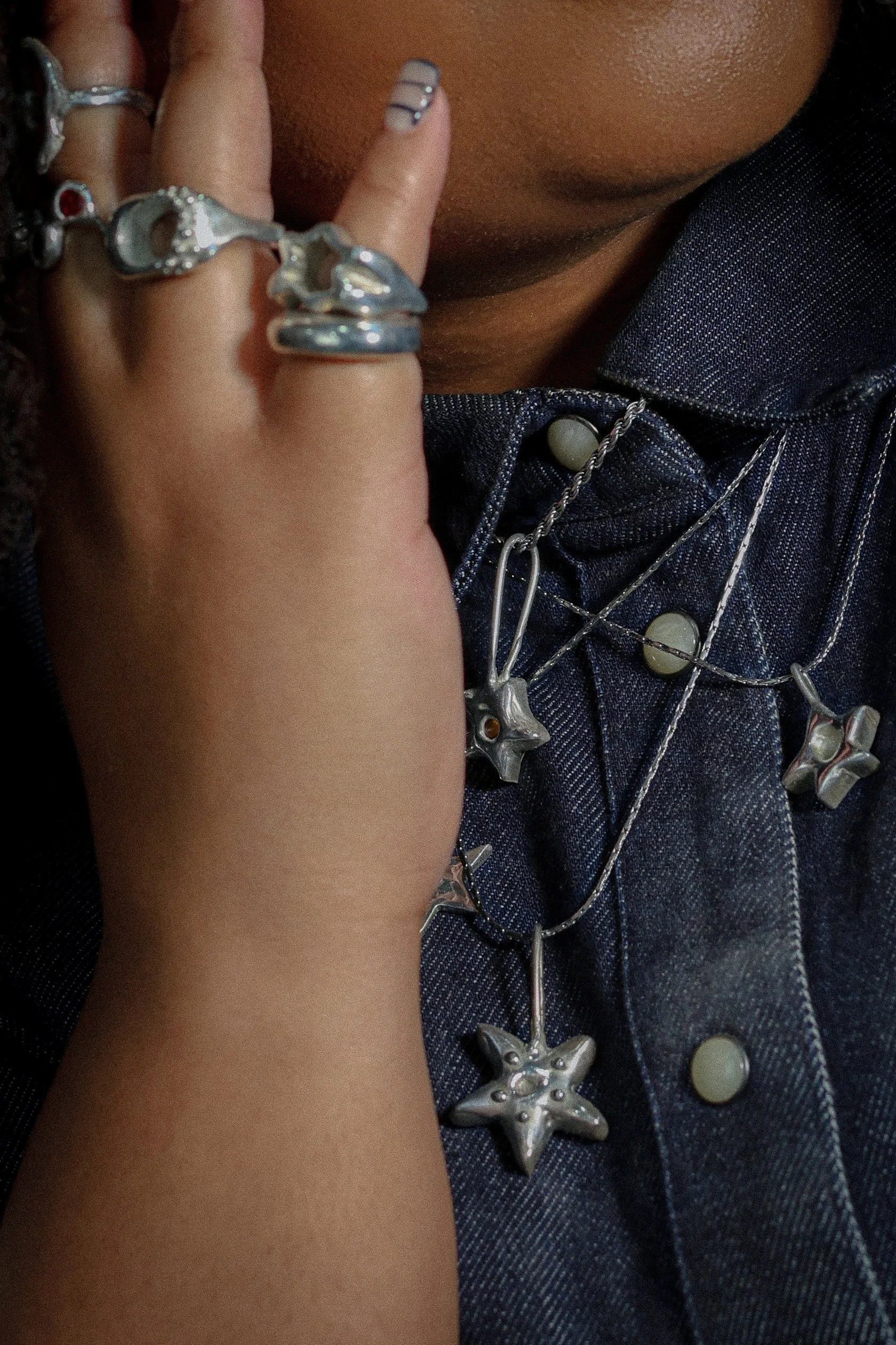
Cnidae pushes against that binary. It doesn’t simply preserve craft; it questions what is worth preserving in the first place.
Within the Black creative community especially, expression has long been tied to transformation—of material, of identity, of limitation into possibility. Silver jewelry, historically, has served as both adornment and language: a way to signal, to protect, to celebrate, to resist. Cnidae taps into that lineage without feeling bound by it. The pieces don’t replicate tradition; they respond to it, stretching its boundaries into something more fluid, more experimental, more self-defined.
In conversation with Munreaux, Hamilton reflects on her early creative explorations with a candor that underscores both passion and intent. From formative experiments to a growing sense of visual identity, her work reveals a commitment to originality and perspective. Rather than conforming to expectation, her approach emphasizes curiosity and self-definition. By bending wax into irregular, almost liquid forms and pairing it with stones that feel as expressive as they are ornamental, she reframes silver craftsmanship as something alive, not fixed.
Alongside this evolution, she expresses a quieter tension—one shaped by broader expectations around stability and success, particularly familiar to many marginalized creatives. Her practice doesn’t resolve that tension so much as acknowledge it, leaving space for reflection while continuing to move forward with intention. Each piece carries a personal stake, reflecting not only what she creates, but why she creates at all.
What is your background and how did you get into jewelry making?
If we’re going all the way back, I as a child wanted to be a fashion designer—and eventually I realized that I’m not very good at drawing. I was like, ‘okay let’s pivot’. I took photography classes for a while and I liked doing photography, but you also have that generational trauma of Black parents in your ear being like, ‘do something corporate’. So I felt that the most middle ground of creative and corporate was honestly doing marketing, and once I was able to have the money to do other things, then I was able to get back into the hobbies that I originally had or always wanted to do.
I always wanted to make jewelry, I always wanted to do ceramics, but I just didn’t have the means to do them for a while. It’s just that I had a couple of extra dollars—we were inside for COVID and that’s really what started it. I started doing ceramics for a while and then that branched out into me being like ‘great, I challenged myself into doing this, now let’s do something harder and technically more expensive’, which would be metal and glass. I gravitated towards those because those were always my end goal—through it all, I had always said [as a kid] that I wanted to have an accessories brand and as a fashion designer I wanted to make bags—I wanted to make accessories. So it made sense eventually that the end goal was to work in metal and work in glass because they both marry the things that I always wanted to do.
Why silver?
I think in general, I just really like to challenge myself—I don’t know if it’s a brain health thing where I’m like ‘I have to do something new all the time’. But I think that I got into jewelry because I said ‘I need a challenge—I’ve always wanted to do this, how can I force myself to do it?’ So the challenge was to create a physical thing. Silver just came about because in the spectrum of metals, it’s not like brass or copper—it’s a precious metal. But on the spectrum of precious metals, when you compare it to platinum or gold, it’s way less expensive. So I think silver had a lower cost of entry for me, especially as I do expensive hobbies while also trying to save for whatever a future looks like. So it started at first as a means to an end and then I started loving it.
I love that silver, because it’s a precious metal, is hypo-allergenic, it’s better if you have sensitivities, and that’s always something that I care about because I have super sensitive skin. For me, it was like, ‘I have sensitive skin, and I can’t wear certain metals—so I’ll make it for me’. I feel like I should be able to wear every style I make. I feel like it should be a part of me and that I say ‘I would put that on my hand.’
Being in marketing and having a small, POC-owned business, do you find that the marketing tactics that you have in your full time job transfer to how you market Cnidae?
It’s totally different—sooo separate. My day job is very process oriented and I don’t have a process for everything else in my life. Nothing really overlaps except the fact that I work with platforms, but it’s so different because of size and the [type of] company. It doesn’t feel like I have any edge or any more that I get from work that I can apply here. It’s so much harder getting people to be aware, understand, and want take an action for something small—they have a longer consideration period. When it’s established to them, they know you, they’ve heard of you, it’s so much easier because it’s like hearing of a friend through a friend. It’s like ‘I already know you, I know your vibe, I get it’ but if you meet someone random on the street, it’s like ‘I don’t know you’. That’s literally what it feels like! It’s like I’ve met you on the street and how do I make you like me?
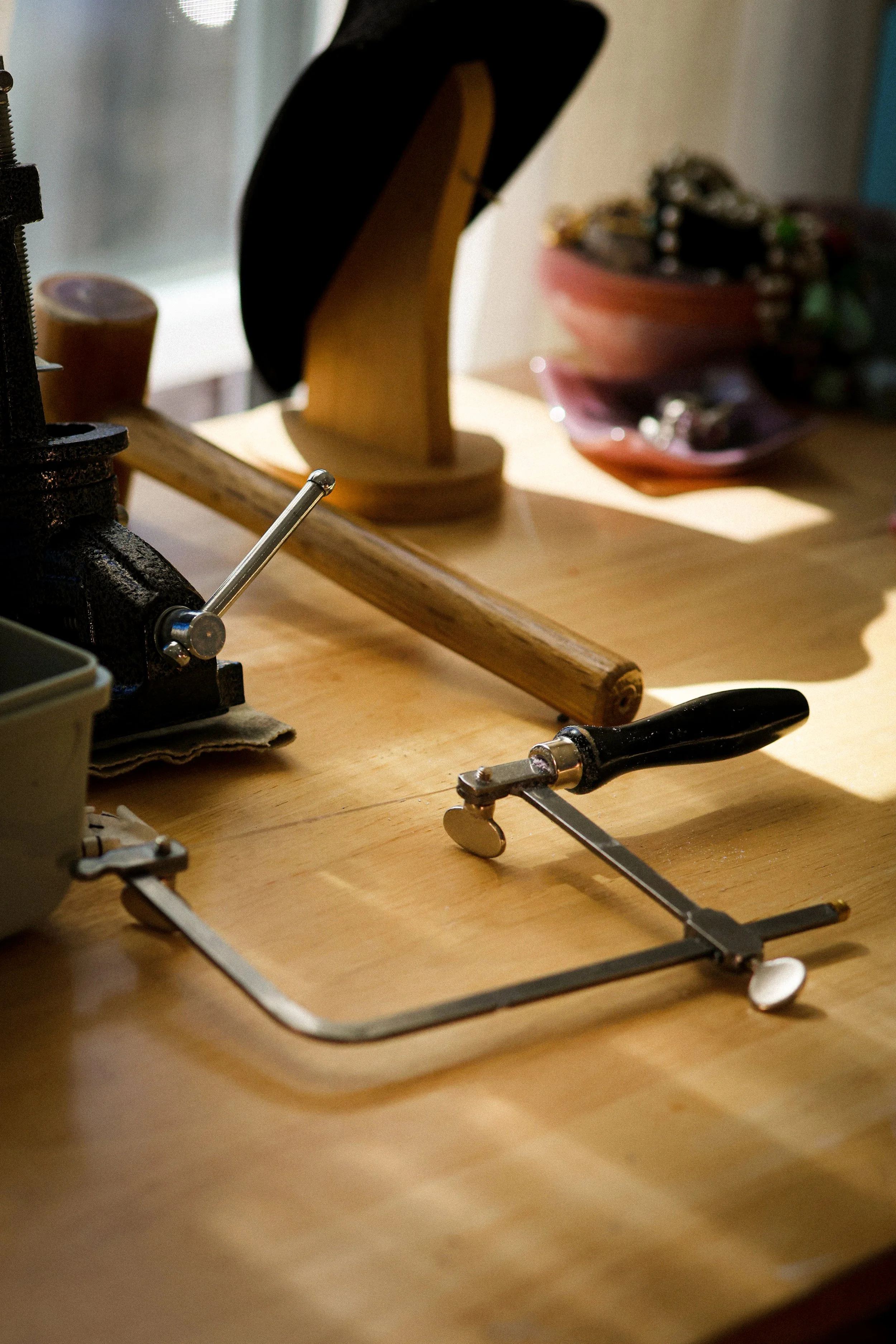
Walk through your design process—from the first idea to the finished piece.
I don’t know that I decide—I kind of let it take shape. I might think when I’m drawing that something circular could be cool, but when I’m working, I’m actually making it oval, and I’m like ‘Hmm, that’s okay’. The sketch is more to form concept overall and less to be rigid on my design. I draw them out so I know what I want to do for each of them, to see together how they would be, and less to hold true to myself with doing it. Especially when you’re melting—sometimes it takes its own form and I don’t want to force it.
Your creative process is organic, the material you’re working with is organic, the transition from what you sketch out to the final product is organic. Which aspects of the business are structured and how does that impact the overall outcome?
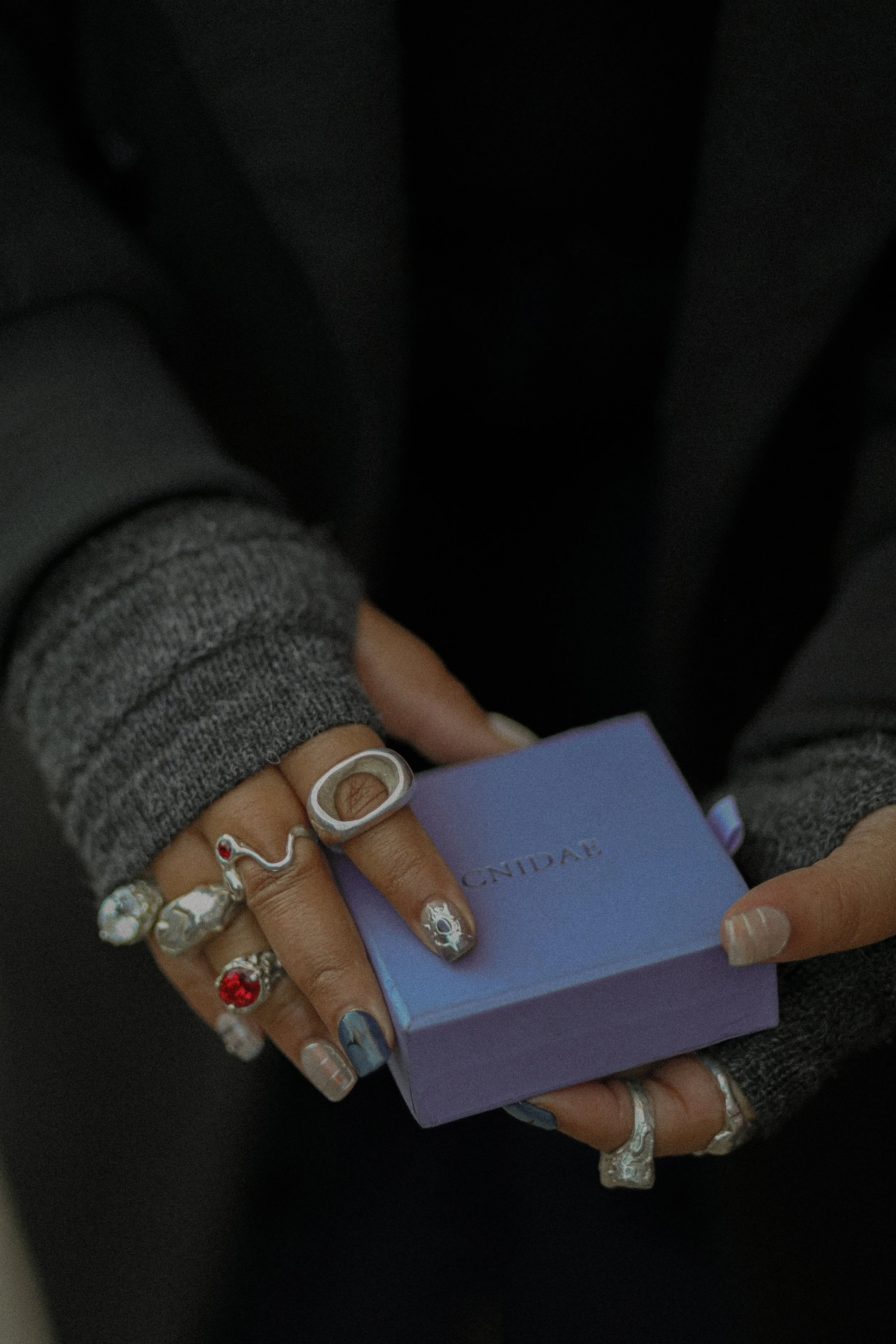
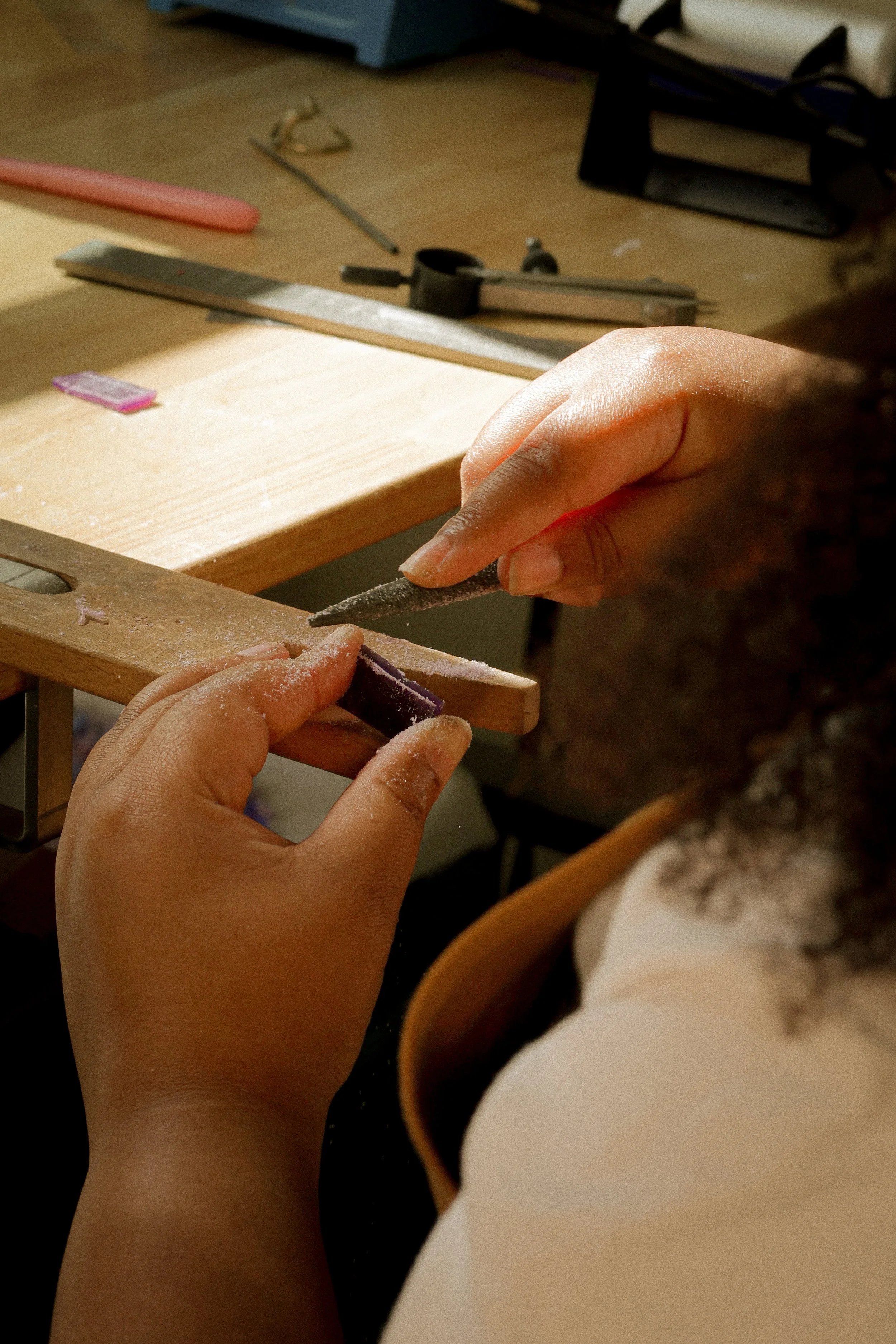
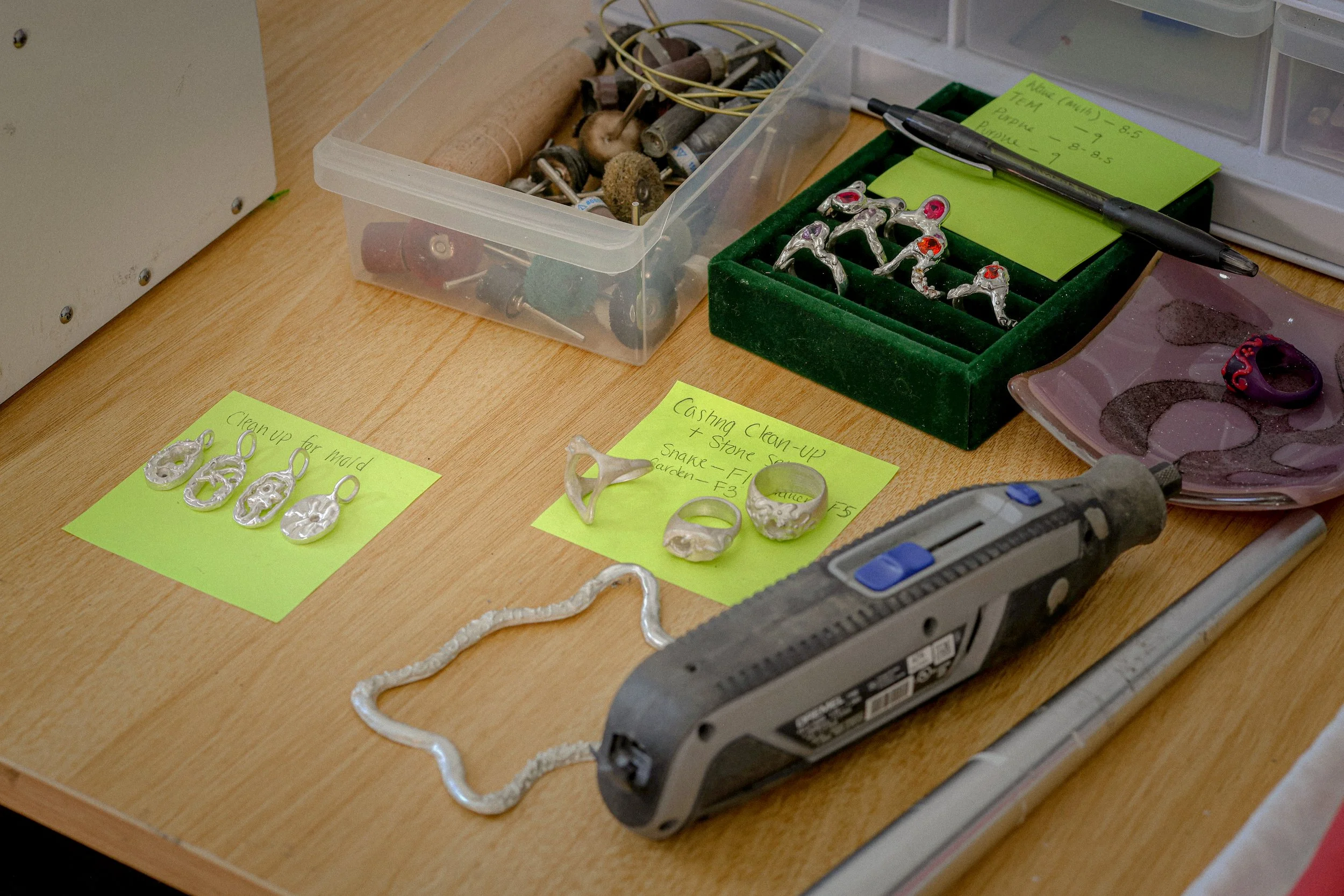
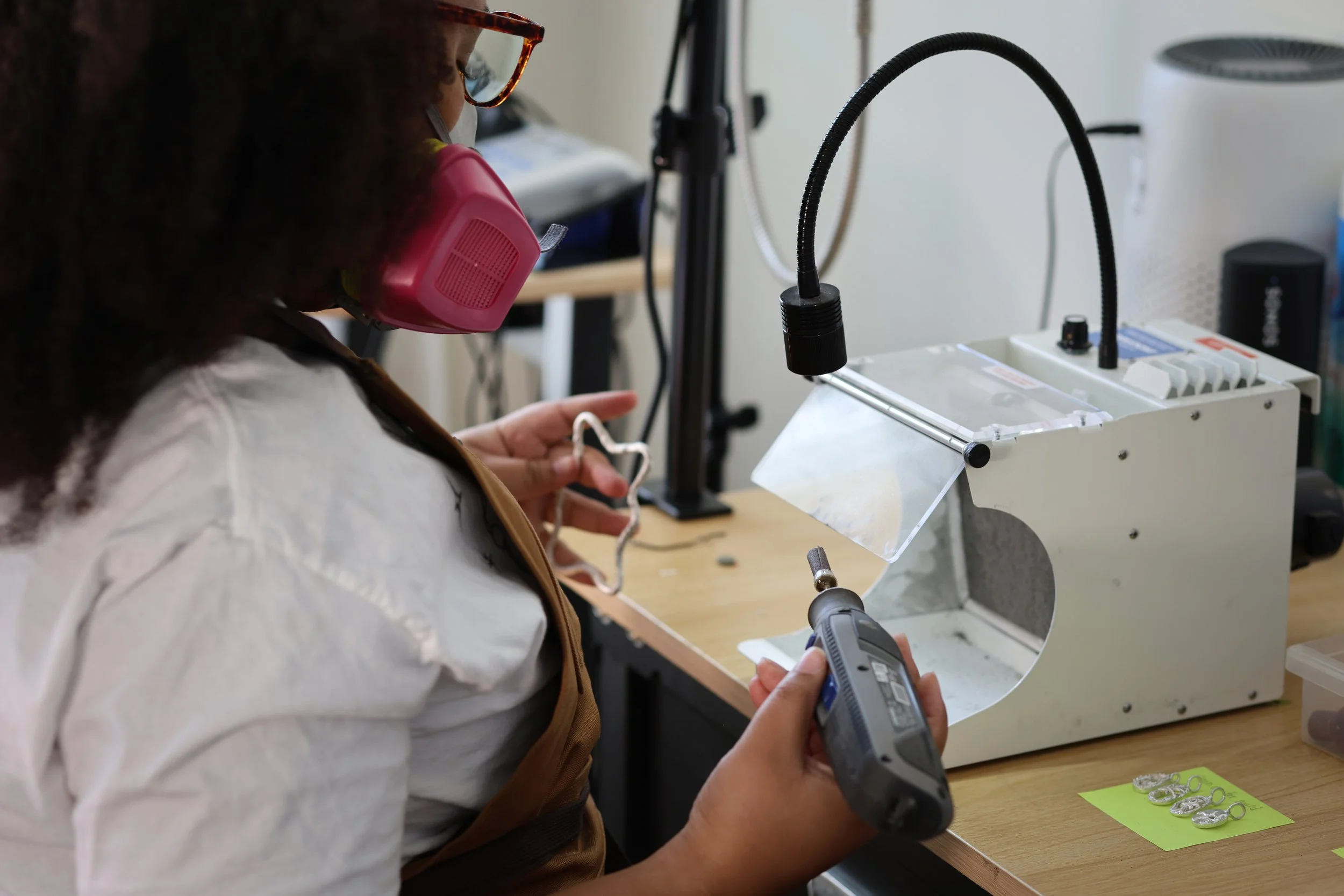
It’s structured in the sense that I do have an idea of what I want to accomplish for the year. So at the top of the year I’ll [say] ‘What worked? What do I want to do this year?’ This year I know I want to make bangles! I haven’t started it, but I know it’s on my board. It was on my list that I wanted to make a belt. Sometimes it’s okay if it doesn’t end up being for the brand—it’s good to just explore it as doing something new. I have a list of things that I want to do and then I see if I want to put it out there. If I hate it, I’m like ‘absolutely not, no one is gonna see that. I’ll just wear it’—add it to my scrap pile to eventually melt down. The good thing about wax is you can just remove it. I can make something like this ring, and if I hate it, I just carve it off and start over. I can build over it and just rework it. I can make it take a new shape even if I hate it after I do it. So I’ll start in drawing—if I like it in wax, it keeps going, if I don’t, I’ll just reuse the wax for something else. Let it go. Melt it down.
How do you usually find inspiration for new pieces or collections?
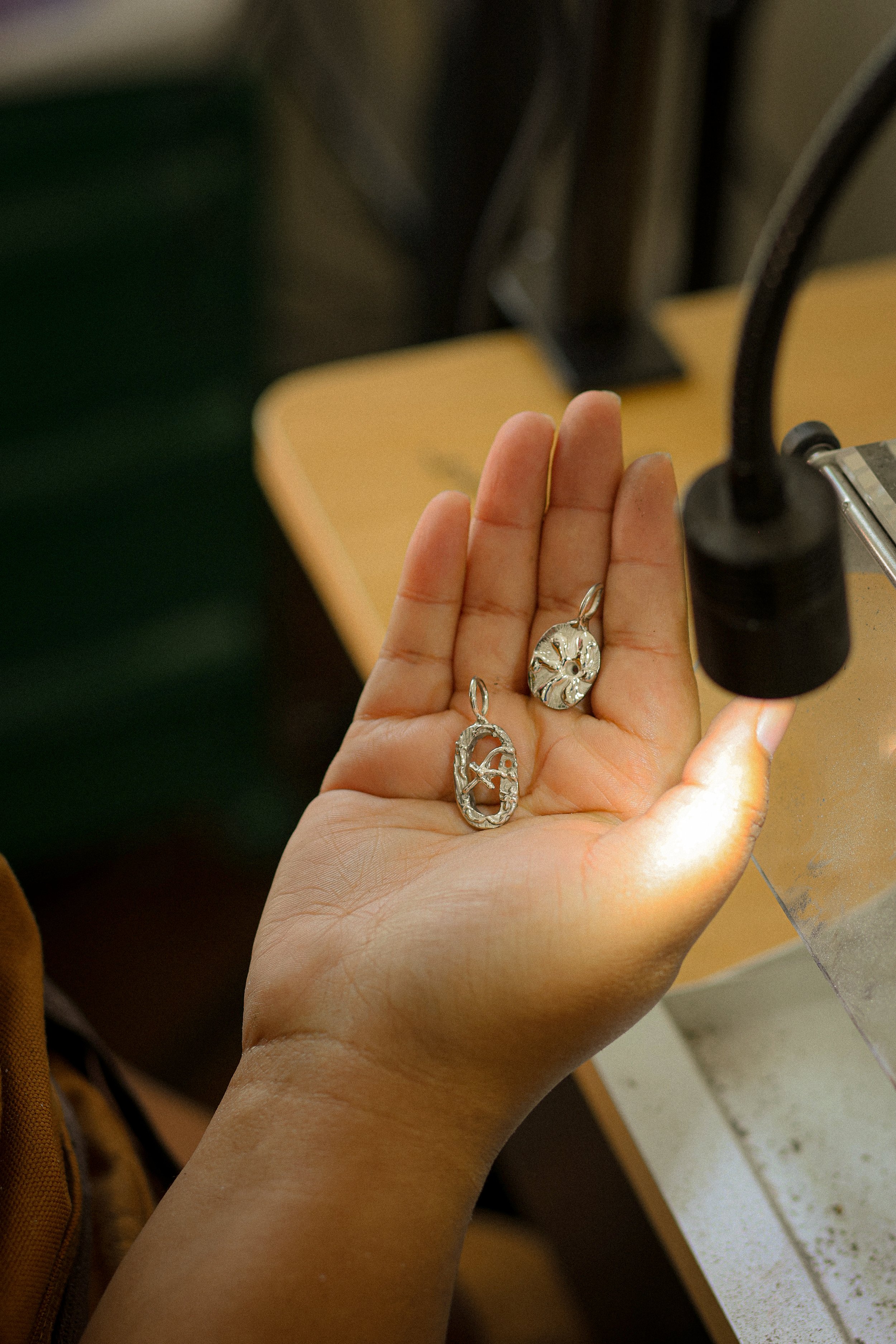
I find inspiration through really random stuff. I have references on standby—interesting books like one on ornamental details because it translates. I also walk around in Brooklyn, and seeing all the homes with detailing. Right now I’m obsessed with the concept of envy for a collection I’m working on and translating that into metal. It could be an animal, and insect, a building—everything is inspiration. It’s just a matter of if I can move it from my head into a true idea—‘how would I physically represent that?’
How important is it to you for the idea you come up to be conveyed to other people? Is it more of just your own process, or do you care if people receive it as intended?
A little of both. I like the ‘if you know, you know’ situation. You know what you’re buying and the intention behind it. But maybe the representation of that isn’t screaming to everyone what this is meant to be. So, yes and no. It’s more important that you feel connected to it, even if you don’t feel connected to the message. But it could be the other way around where you feel connected to the message and that makes you want the thing more.
What have been some of the biggest challenges of running a small handmade jewelry business and how do you balance the creative side with the more practical side of running a business?
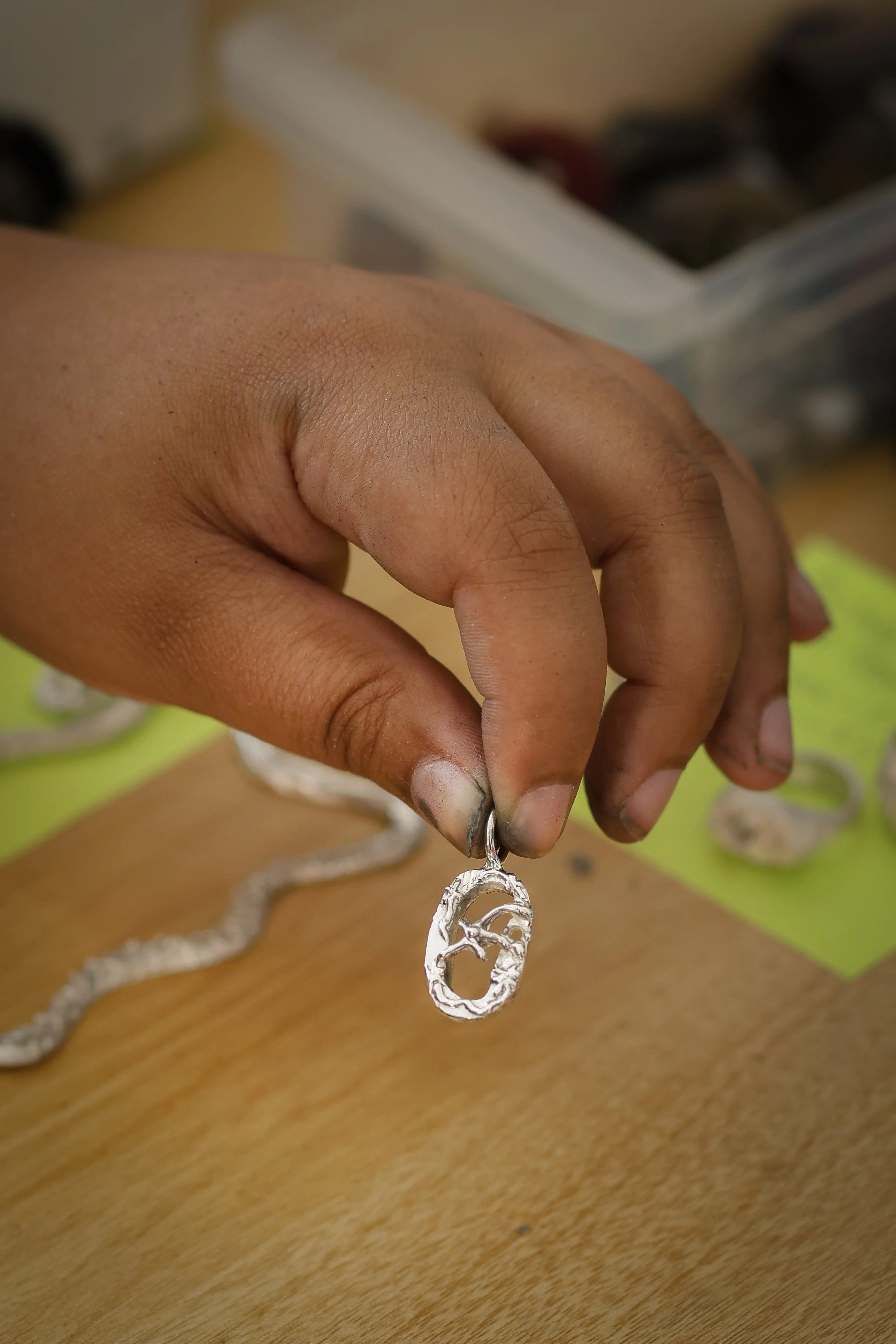
I’ve had to hold myself accountable—I can’t just be super spontaneous. I have to think of the numbers. I’ve started to think about the costs—what the cost is of me producing a collection and not just the return on what I’m selling. I’m trying to be more meticulous. I’ve had to force myself to be more regimented and keeping myself organized. It comes naturally for me to be a planner, however I don’t know that it comes naturally to me to be thinking about every single piece of it—every detail. It didn’t come natural to me to document everything, but what if a customer asks? I take a lot of classes and I have instructors that share and I use their guidance to structure myself better.
What has been the most meaningful part of sharing your work with customers and growing your audience?
The most meaningful part is positive reinforcement—someone loving the things you made with your hands. There are moments where it’s hard to juggle a full time job that’s demanding and the time commitment to hand-make every single item,—even going to the caster is is like an hour there and an hour back—it’s time for everything. There are moments where I’m like ‘Should I just do less?’ and then I get a positive review where somebody is like ‘are you joking?’ and it’s the comment that keeps me going. I’m like ‘okay great, I guess I’ll just keep it going’. What’s worse is when you send something to someone and you hear nothing back, and you’re like ‘Do they hate it? Do they like it? Does it fit right?’
How have you and the brand changed or grown since you first started?
I feel like the same person from 3 years ago. I don’t force myself to keep doing the same thing—I’m constantly trying to learn something new and be bad at it. So I always feel new to it, which is a pro and a con, to be honest. But I feel like I’m still new, like a baby—a baby jeweler.
The brand has grown and you can tell the skill is changing, [I’m] getting better at certain things, refining certain processes. I think it’s getting to a point of mastery, honestly. I don’t know what I would do whenever I get there. I think learning is a part of that for me. I know that there are things that I want to do, that are going to take years for me to master, but I eventually want to get there. I think it’s important to challenge yourself, be bad at things, and do something different. I feel like if you do the same thing, it gets old—maybe that’s my Gemini placements—I do love to learn! But everything feels like the same person made it—which is the goal.
Photography by Ashley Munro
Interview with an editorial introduction by MUNREAUX