There is a quiet transaction happening beneath the surface of contemporary visibility. To be seen is no longer a passive state of existence but an active negotiation—one that requires translation, performance, and sometimes, erasure. Identity today is not simply expressed—it is produced under conditions of sustained visibility. In Seasons of Obscurity, a 4-part visual photographic thesis, this condition is treated not as a backdrop but as the subject itself: how the self is formed, fragmented, and preserved under the pressure of being seen. Across four seasonal movements, the work frames visibility as an economy—one in which attention is currency, and expression is never without cost.
This essay does not treat the “seasonal” structure as chronology, but as metaphorical, cyclical weather system of identity. Each section describes a different condition of exposure, where the photograph becomes less a record of presence than a negotiation with interpretation. Across shifting seasons, the persona responds not only to [social] climate but to gaze, recalibrating how much of itself is offered outward and how much is withheld; which spaces receive each version, and the adjustments that feedback catalyzes.
Each iteration of presence is deliberate, even when it appears spontaneous. What is revealed is never just selfhood; it is also strategy. The act of moving through these phases increasingly requires documentation, as if each iteration of existence must be verified through its own visibility. For many creatives, the practice itself becomes entangled with its recording—process and presentation fold into one another until distinction blurs. Seasons are no longer only internal rhythms but external expectations, each one demanding evidence of its arrival.
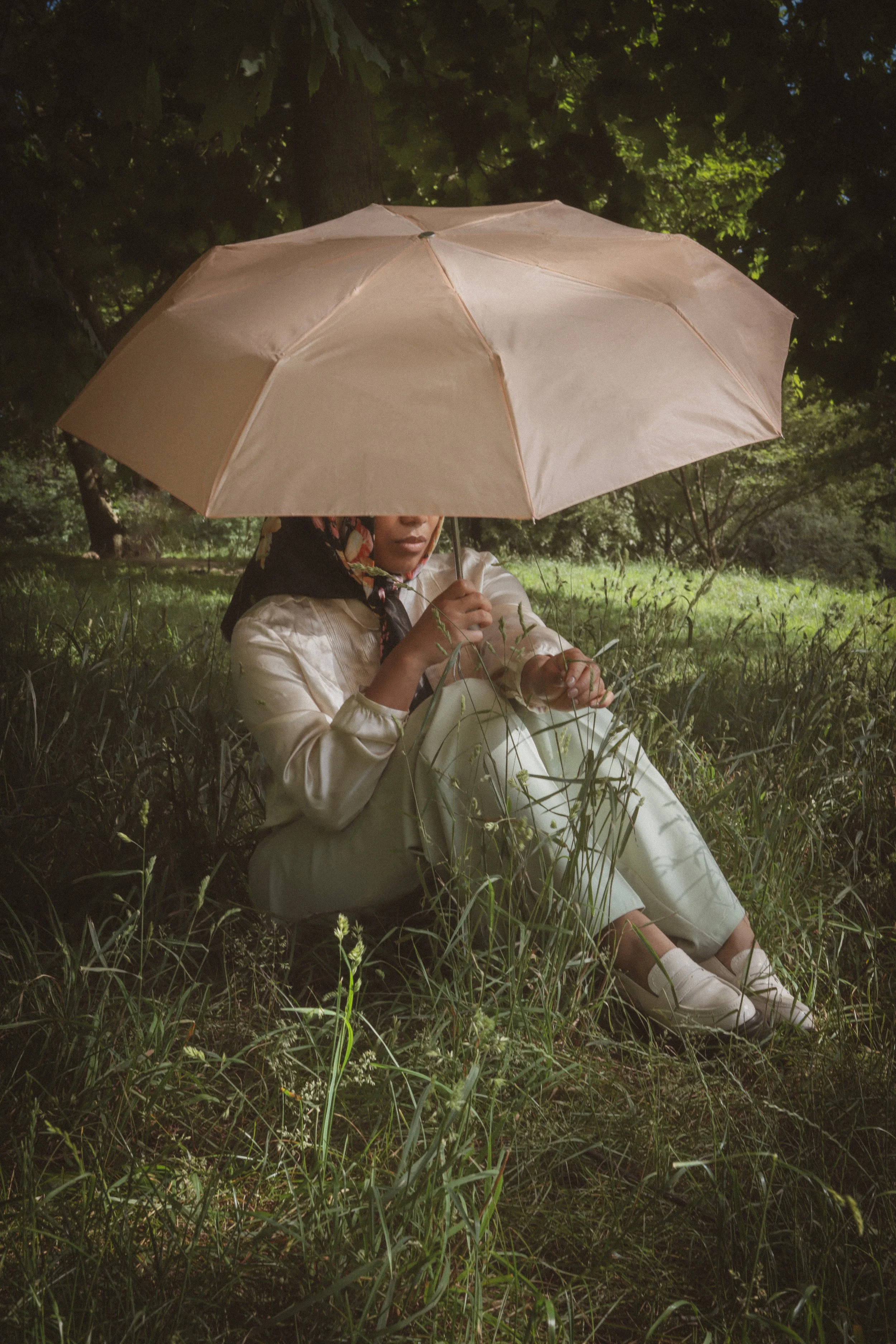
Spring: There is a familiar rhetoric of renewal—of becoming visible in ways that feel aligned with growth, energy, and emergence. It functions as the moment when visibility is aligned with becoming, when the self first enters circulation under the promise of renewal. But in the logic of the project, emergence is inseparable from exposure: to be seen blooming is already to be read, categorized, and consumed. The image carries attention, but that attention is immediately subjected to framing. To bloom publicly is to argue with judgement, with the way softness can be consumed rather than respected. Expression in this season is often generous, but generosity itself can become labor when it is expected rather than chosen.
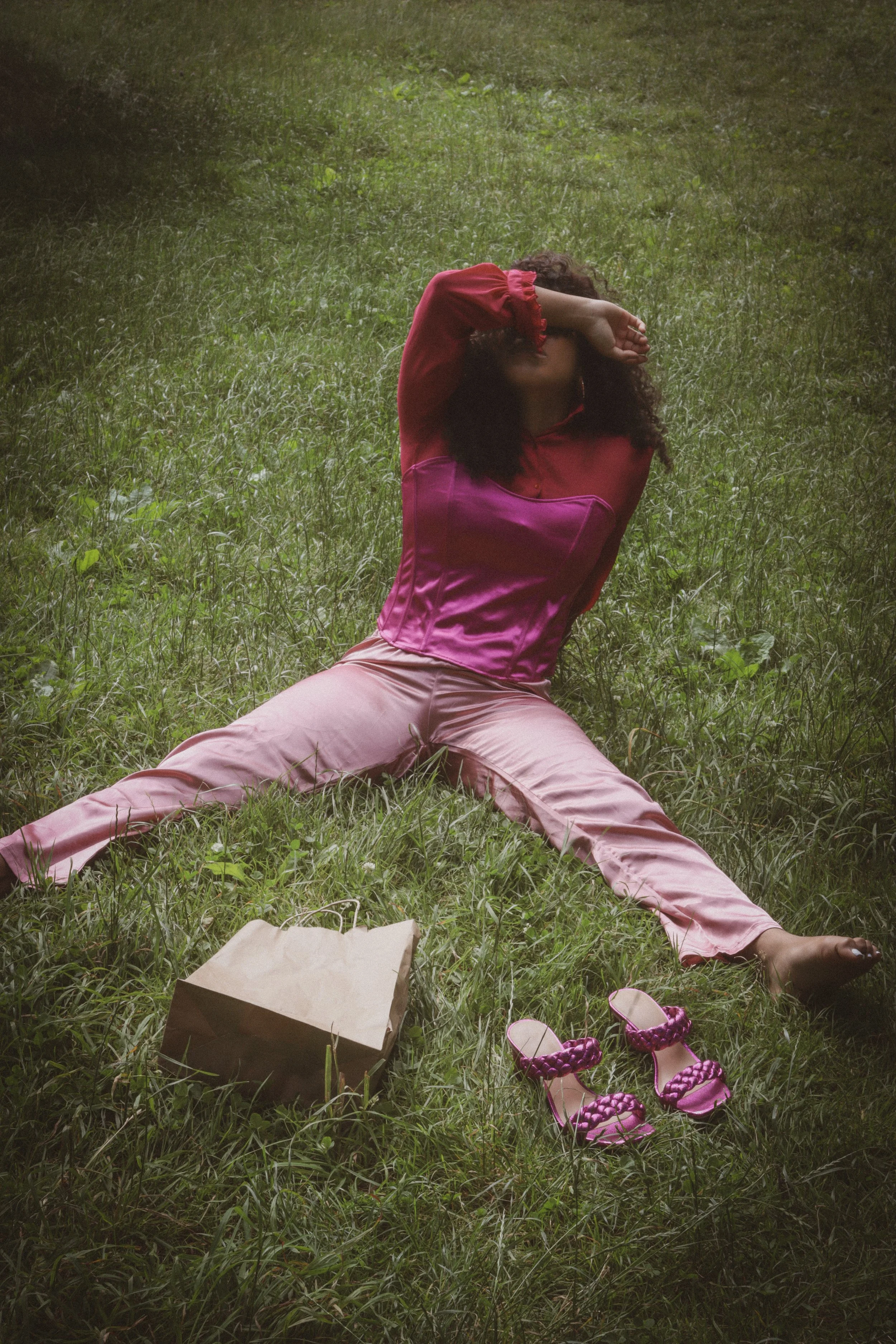
Summer: Overexposure. Here, visibility intensifies until it becomes flattening. Brightness demands boldness, and boldness demands clarity. Presence is bright, legible, and continuous—yet depth is gradually edited out in favor of coherence and hence, despite looking up at the sun, an arm shields the subject’s face from its potency. Identity under sustained observation begins to lose dimension. In this condition, obscurity is not absence but resistance: a refusal to remain fully readable under demand. Identity, when placed under prolonged daylight, risks flattening into a version of the self devoid of the shadows that allow complexity. There is a difference between being hidden and choosing to be indecipherable. One is imposed; the other is authored. The distinction, however, is not always welcomed under such pressing demands.
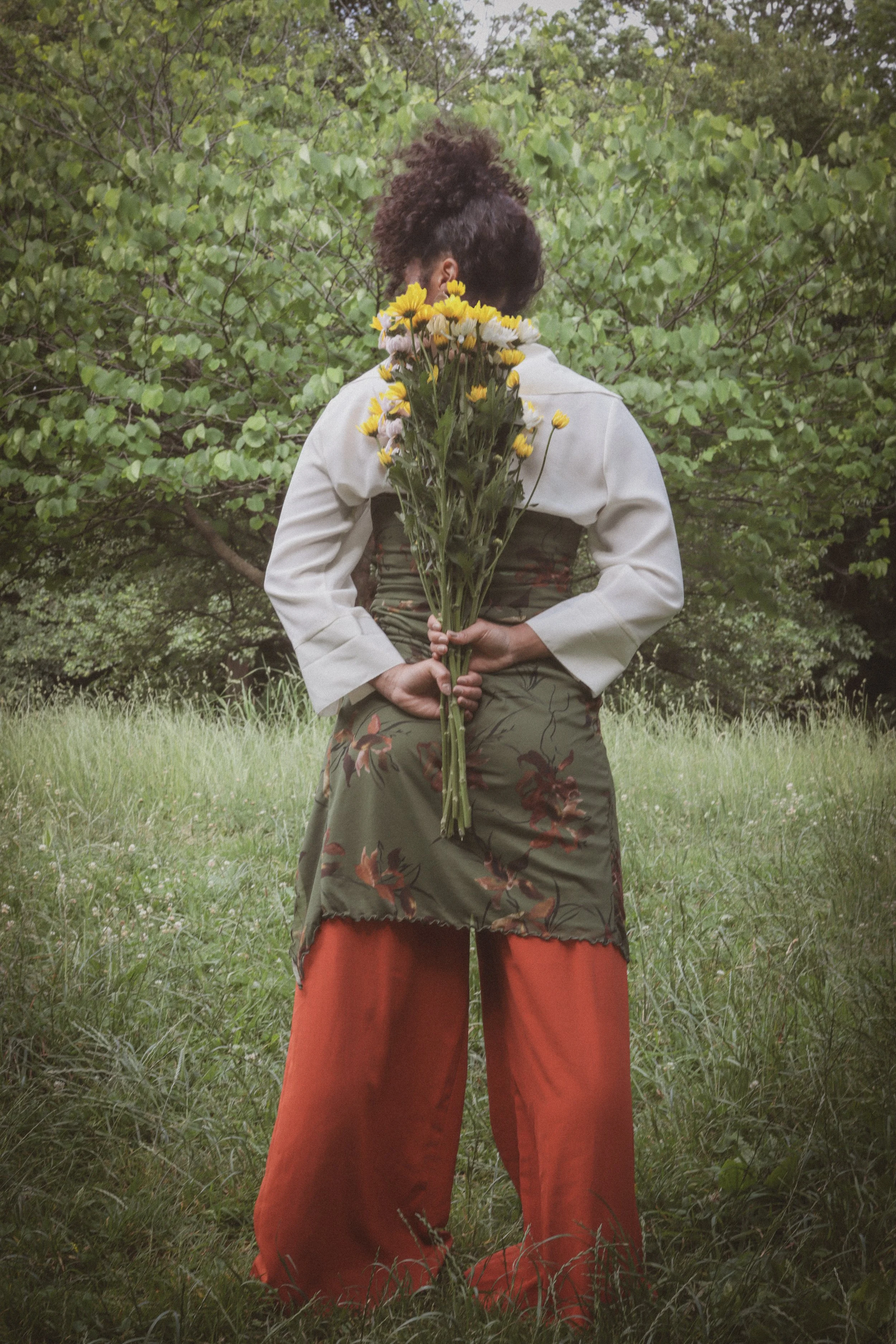
Autumn: Marks fragmentation. Imagery no longer holds a singular narrative of the self, but begins to contradict. Earlier visual identities persist as pieces rather than foundations. Exposure is layered, discontinuous, and unstable— coherence is deliberately allowed to decompose. In this space, aesthetics and identity drift apart, transform, redefine, and then collide again. Something less performative might eventually take root.
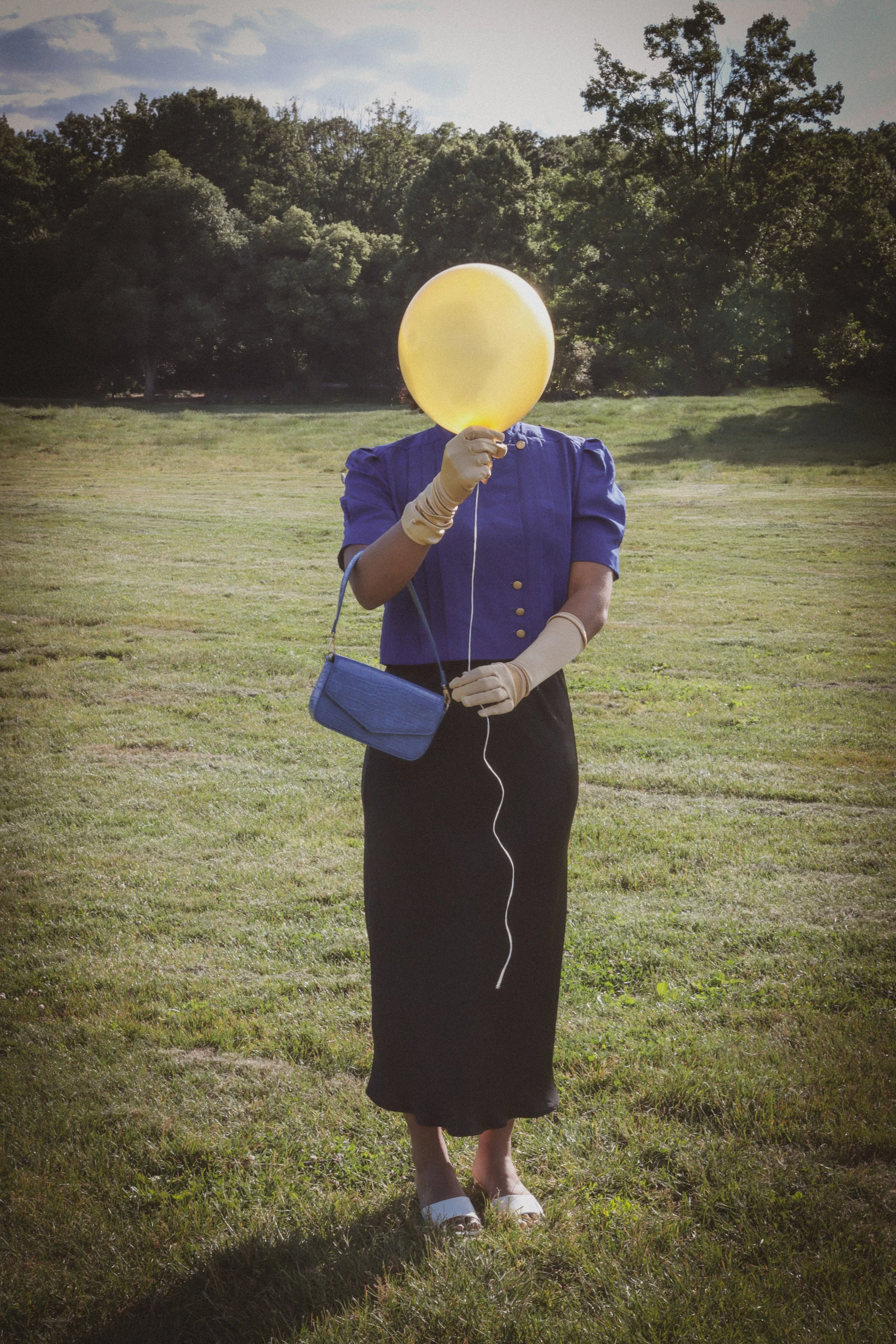
Winter: Often mistaken for avoidance, is instead a concentrated form of reflection. It is containment and preservation. The refusal to circulate becomes a formal strategy—a resistance to immediate translation into consumption. Obscurity here is not withdrawal from visibility but control over its terms. To obscure is not necessarily to disappear but to refuse overexposure—to hibernate in exchange for profoundness. What is not shown is not lost; it is held until renewal again.
There is a recurring paradox: the desire to be recognized without being reduced, and the desire to be private without being erased.
Across all four movements, Seasons of Obscurity frames identity as a responsive system rather than a fixed subject. Images do not simply depict the self; they reflect the ongoing negotiation with attention, expectation, and platform logic. What is shown is never the full story; what is withheld is dissected.
Within this era of heightened visibility, the contemporary creative is often asked to become both artisan and amplifier. The so-called starving artist no longer starves in silence but in circulation—feeding a system that rewards perpetual output while narrowing the time required for inwardness. Even that which is introverted by nature must perform extroversion.
Influencer economies blur with artistic practice, and marketing becomes indistinguishable from making. What once was seasonal pacing becomes algorithmic urgency, where rest itself risks becoming invisibility.
Authorship begins to shift: not only as ownership of output, but as ownership of narrative momentum, and social sustainability—the ability to continuously signal presence without exhausting the self that produces it.
This visual thesis ultimately depicts a central tension: modern visibility demands continuous access, yet creative survival depends on the ability to remain partially unreadable. In this gap between exposure and withholding, presence becomes not evidence of being, but a record of negotiation—a contract of the conditions under which the self can appear without being fully consumed by its audience.
For marginalized and creative communities of the diaspora, visibility has often been framed as both opportunity and productivity; an opening that can just as easily become susceptible to malicious exposure. Social platforms intensify this paradox by turning self-expression into a continuous feed of articulation and commerce. Nothing fully escapes the economy of the public eye. Questions of authorship become less about possession and more about negotiation with systems that reshape expression at every stage of its release. If identity is continually refracted through platforms, audiences, and increasingly synthetic envoys, then ownership becomes porous—less a fixed state than a moving boundary.
The creative process begins to resemble that of the performance of weather: partially self-generated, partially responsive, always interpreted. In such conditions, one might wonder where the work ends and its reception begins, or whether that distinction still holds enough mass to matter at all. Visibility is not neutral, but shaped by context.
And so the question lingers as conscious reality: what does it mean to appear without surrendering the right to remain autonomous over participation in a world that claims to value connection?
In that uncertainty, expression finds its most authentic form.
Photography by Ashley Munro
Editorial by MUNREAUX
Featuring Monica Henry