DAPPER DURAGS: assimilation in perspective.
There is a choreography to respectability. A quiet agreement between gaze and posture, fabric and flesh, what is seen, and what is allowed to be seen.
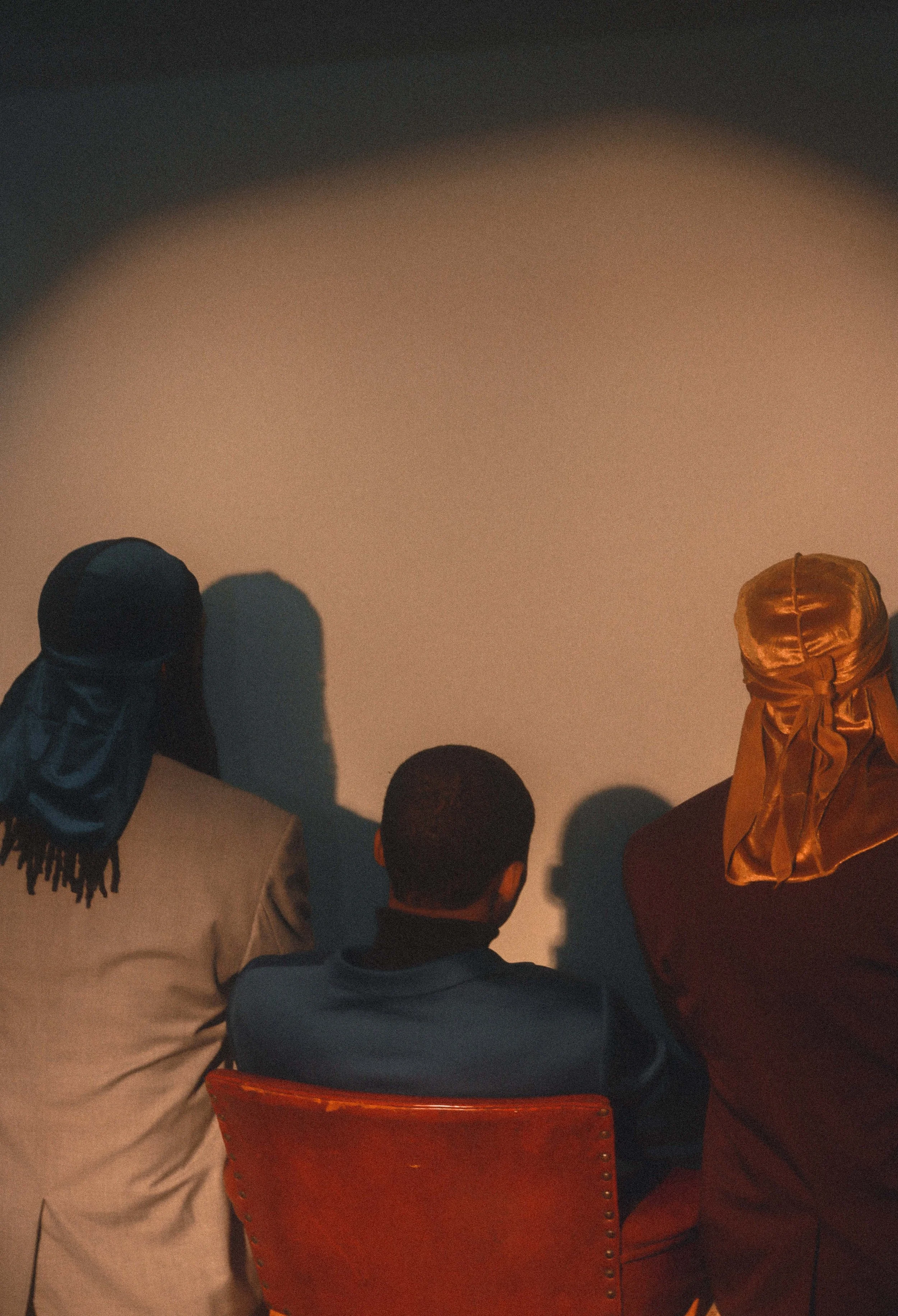
Dapper Durags is a visual essay examining the performance of respectability as it is imposed upon, negotiated by, and subtly disrupted through Black male embodiment. Structured through staged encounters of 3 Black men, the work positions hair not as a neutral subject but as something wherein culture, surveillance, and self-authorship continuously collide.
At the center, a man sits. Not quite at ease, but not resisting either. His stillness, is not neutrality, nor decision. The other two orbit him—not subordinates, not superiors, but participants in a ritual that feels both intimate and imposed. These men stand within this recital, suited in hues that echo a nation that has never quite known what to do with them. Instead, the palette reflects a critique stitched into the seams. Patriotism here is not allegiance; it is interrogation.
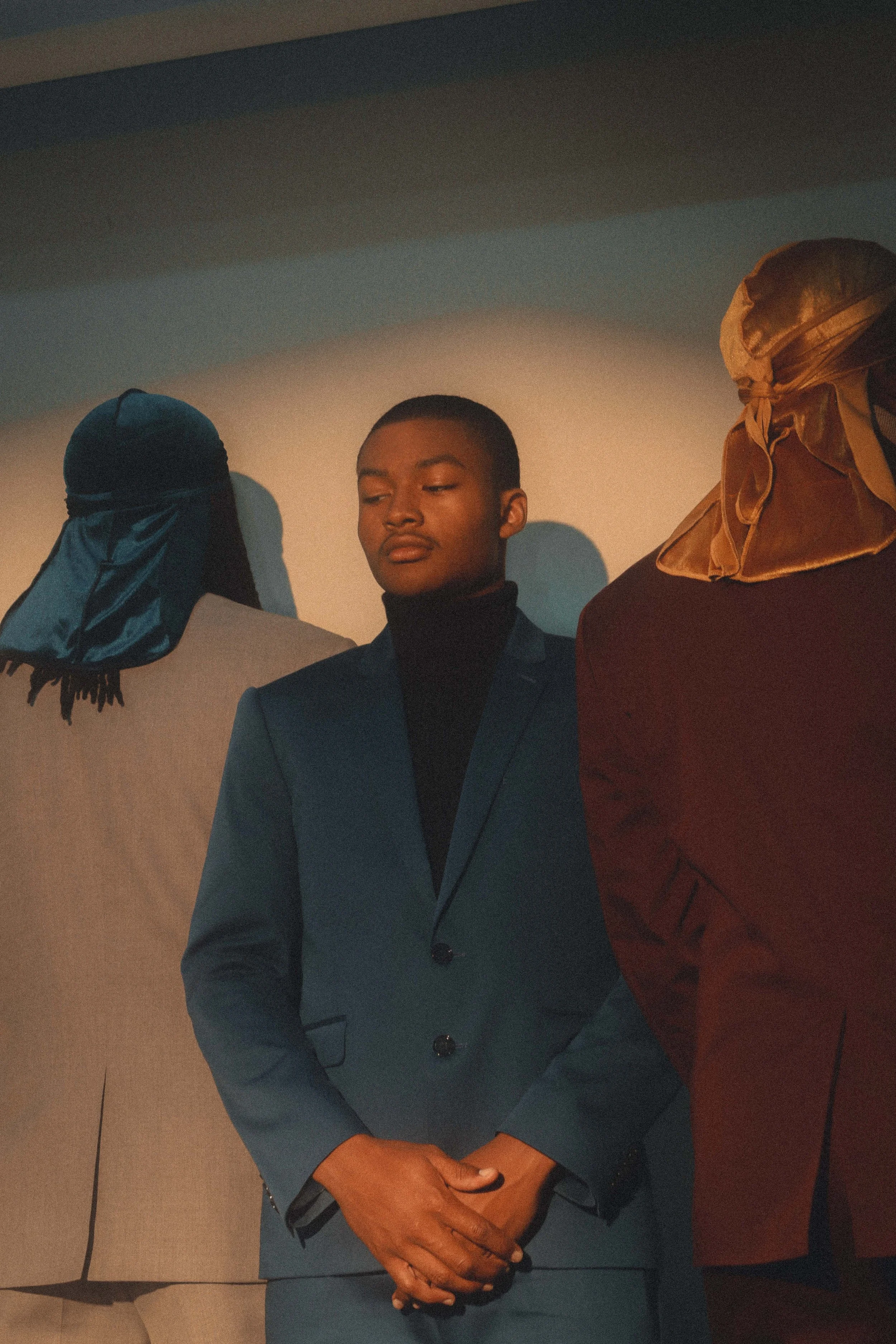
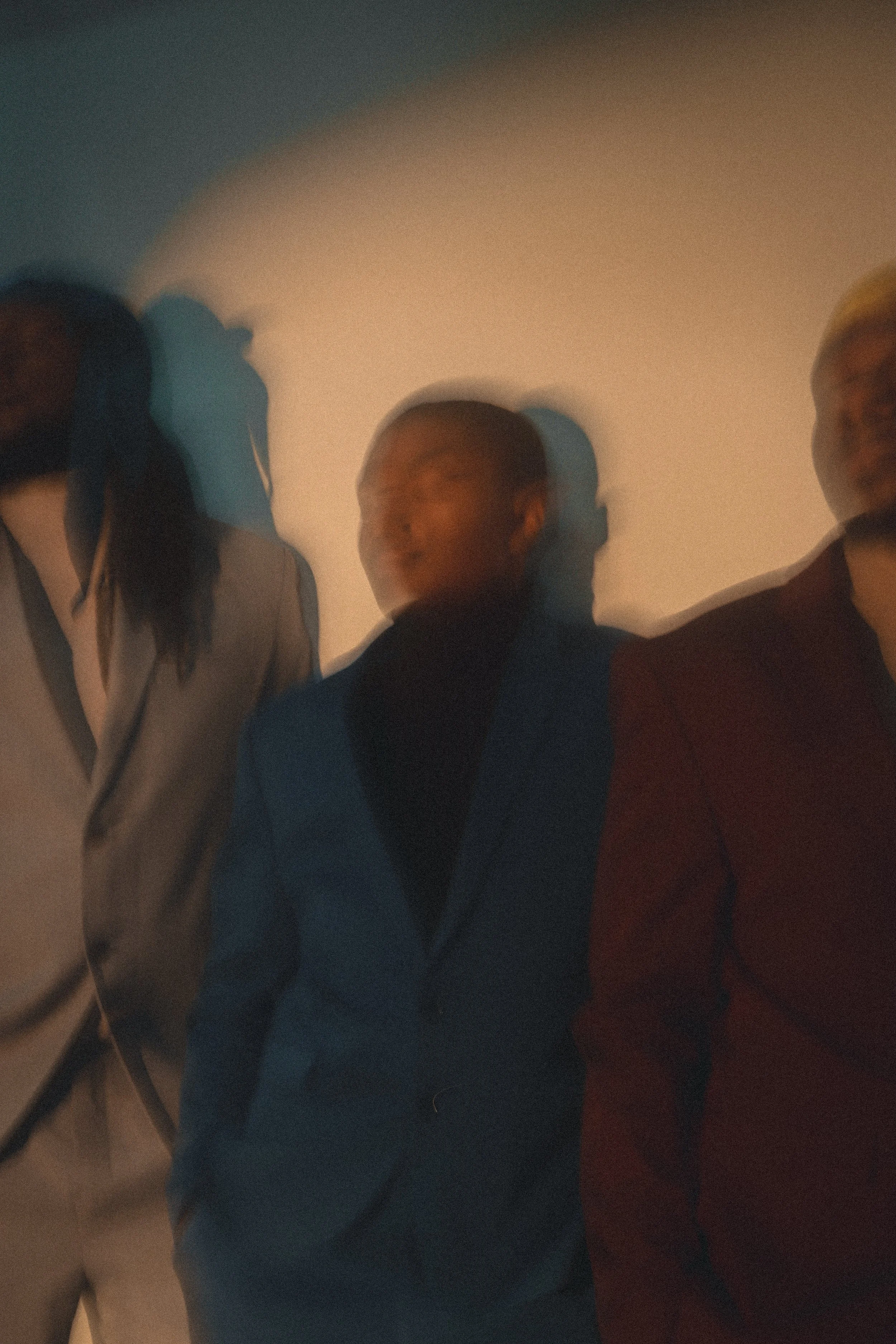
At its core, the project argues that respectability is not a neutral aesthetic standard, but a historically constructed system of legitimacy. It is a choreography: learned, enforced, and repeatedly rehearsed—where tailoring, posture, and grooming become signals read within shifting expectations of professionalism, masculinity, and control. In this system, the Black male body is frequently rendered insipid: simultaneously hyper-visible and misread, styled and scrutinized; present yet perpetually dull, translated through external interpretation.
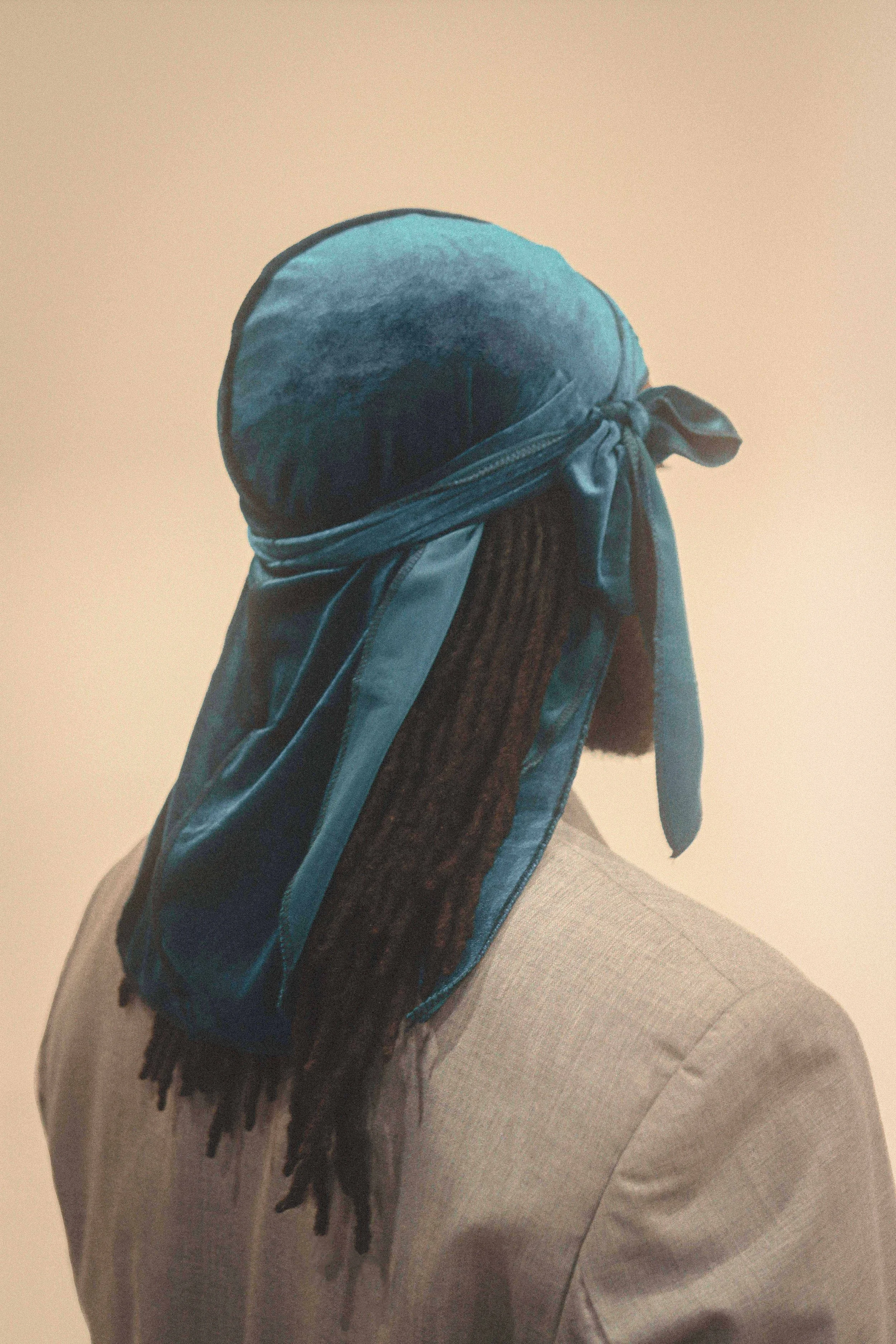
It has never just been hair. It is language, armor, and evidence. The durag—often dismissed, policed, rendered “unprofessional”—becomes here both crown and condition. What does it mean to be “polished” when the very standards of shine were not built with you in mind?
Brotherhood is not staged as symbolic unity, but as lived proximity: a shared negotiation of what it means to prepare a body for spaces that were never designed with its consideration. Durags adorning their craniums—a faded residual of their ancestry, these protective barriers pose the question of potency—do they shield them from hate, discrimination, or judgement—or instead, do they provoke it?
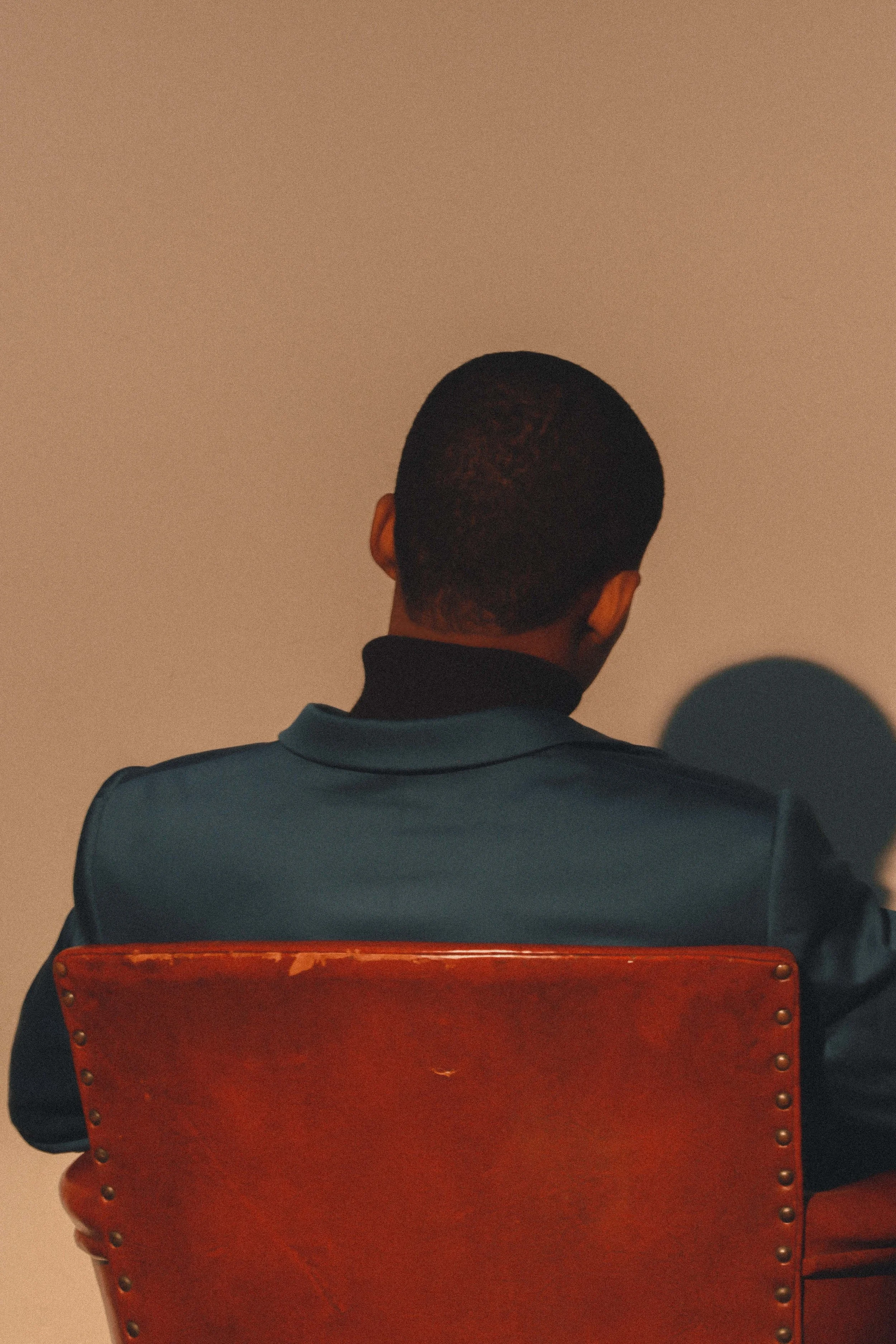
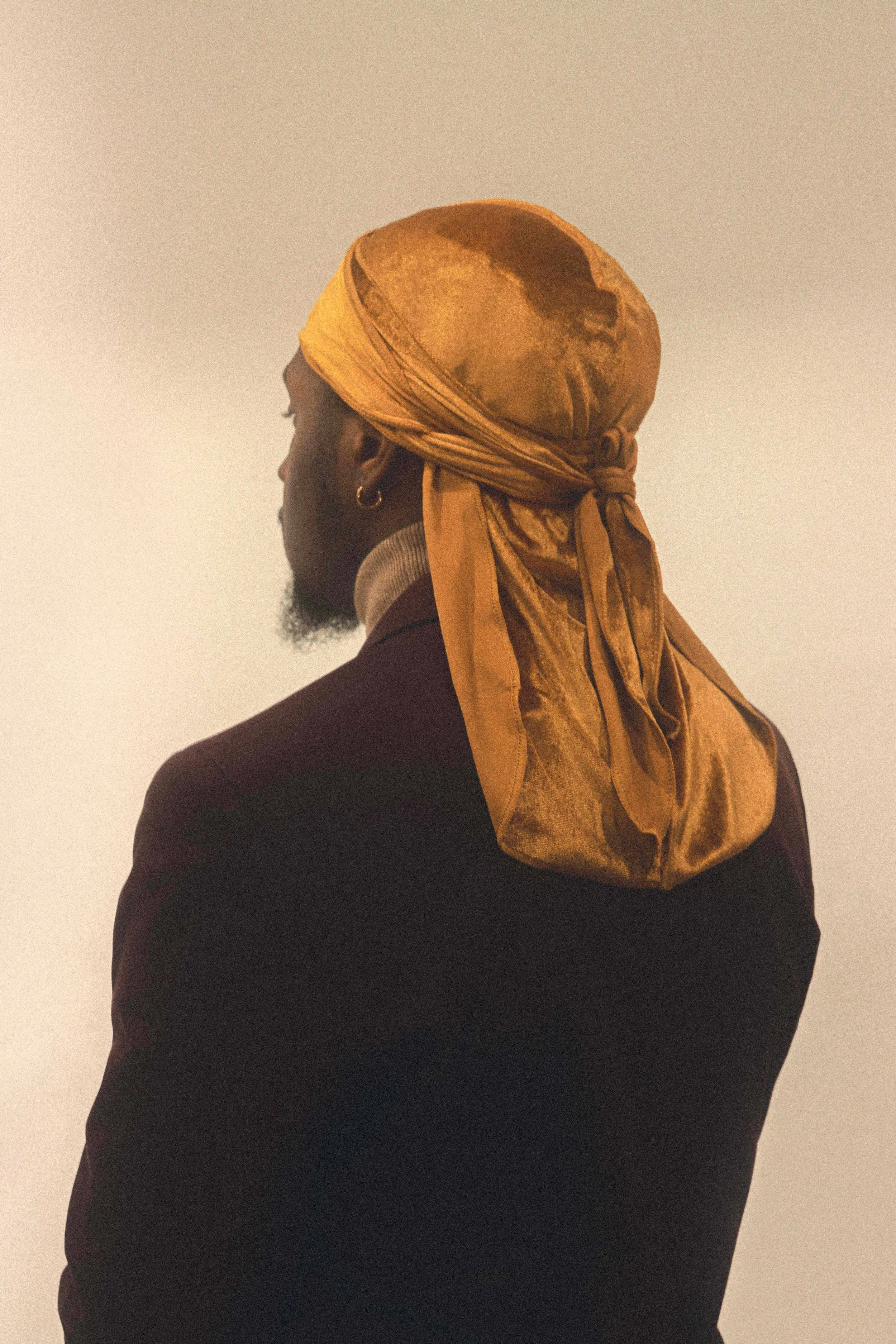
To situate this negotiation within broader structures of corporate assimilation rituals, where transition into “professionalism” often requires translation of identity into more legible forms, hair, clothing, and affect are not merely styled—they are edited. They are modified for survivability within systems that reward containment over complexity and composure over expression. Yet this translation is never complete, nor fully successful. Residue remains visible in gesture, gaze, and self-possession.
Rather than framing this tension as contradiction to be resolved, Dapper Durags treats it as structural condition. The suit does not erase the durag; the durag does not refuse the suit. Instead, both occupy the same frame as competing languages of presentation—each revealing the instability of the contexts that define “professionalism” in the first place.
The white-washed “uniform” of suits, ties, and perfectly coifed beards— an abandonment of cultural uniqueness and authentic identity in exchange for the promise of wealth, status symbols, and “success”. The ritual of shaving one’s head elucidating this metamorphosis away from Black childhood into Black adulthood; the impact of how the hair that grows out of their scalps, the clothing reflecting their roots, the significance of their brotherhood—are all skewed and distorted into 'negative’ imagery despite attempts at inclusivity.
What emerges is not a binary of assimilation versus resistance, but a more complex visual argument: that dignity is not granted by legibility, but produced through its manipulation. These images illustrate the conditions wherein the patriarchy demands a performance of masculinity that is rigid, legible, contained. For Black men, that performance is further burdenedfiltered through respectability politics that insist: be exceptional, but not threatening; be expressive, but not excessive; be polished, but never too proud of what grows naturally from you.
Do they adjust? Tailor? Smooth edges that were never flaws to begin with?
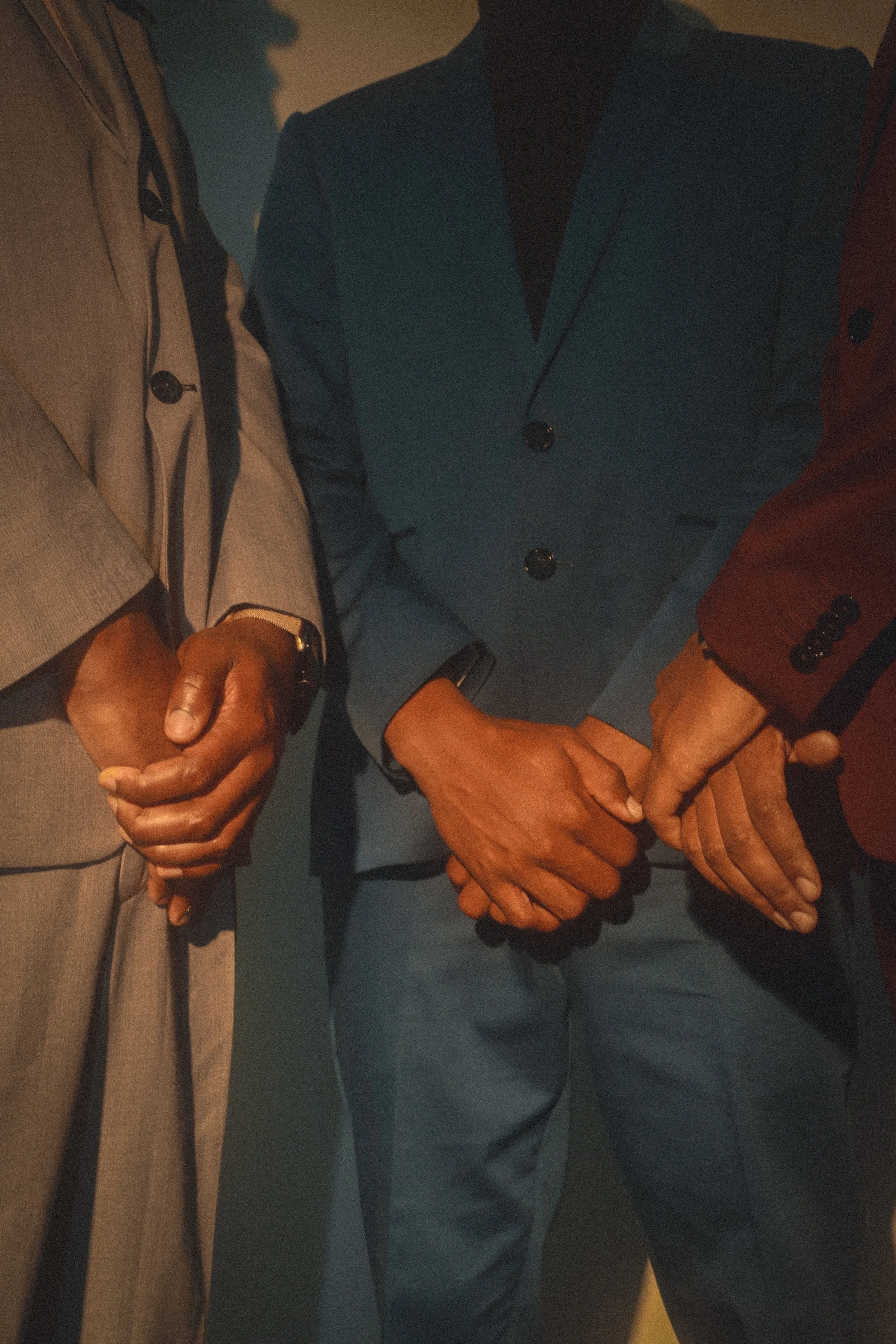
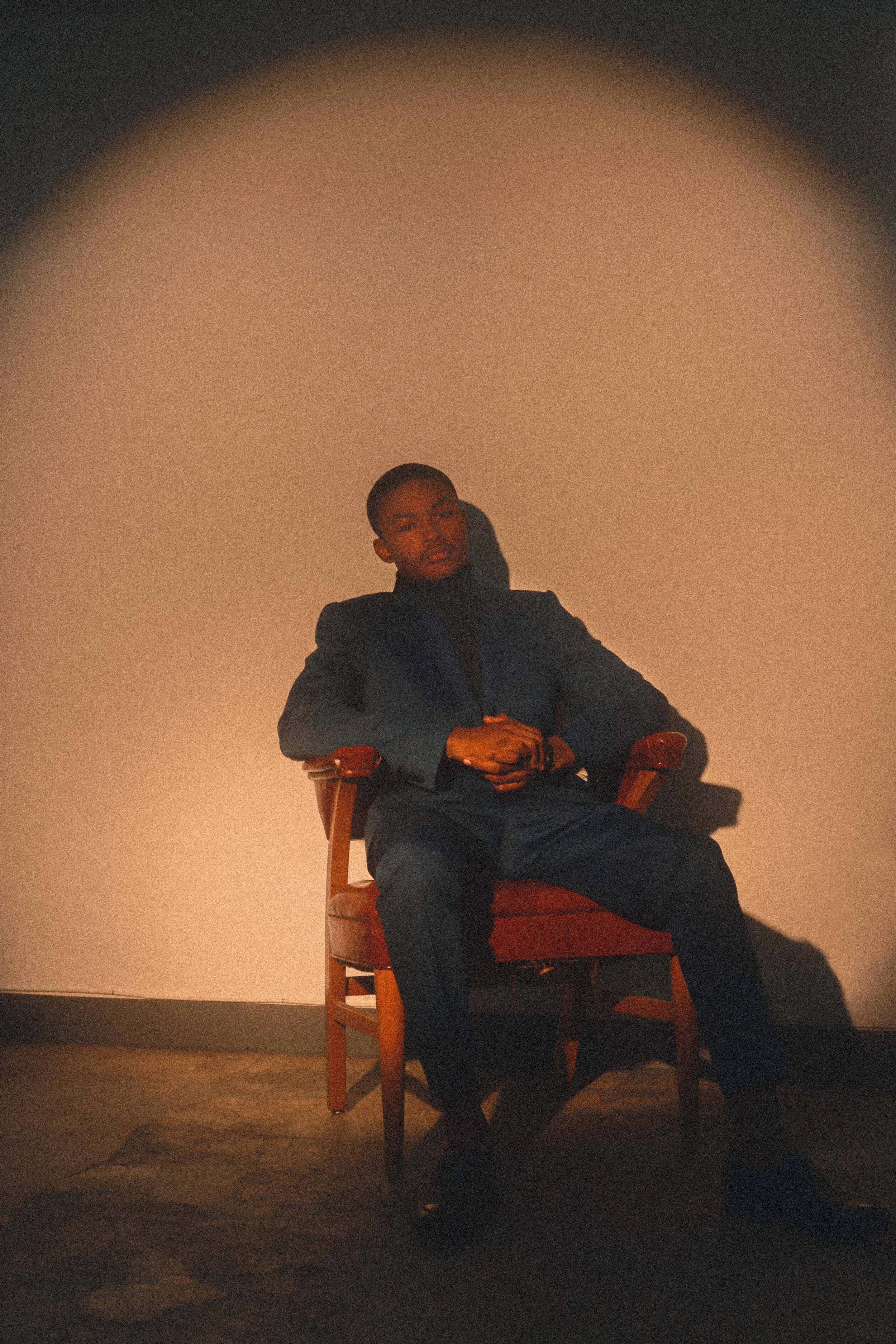
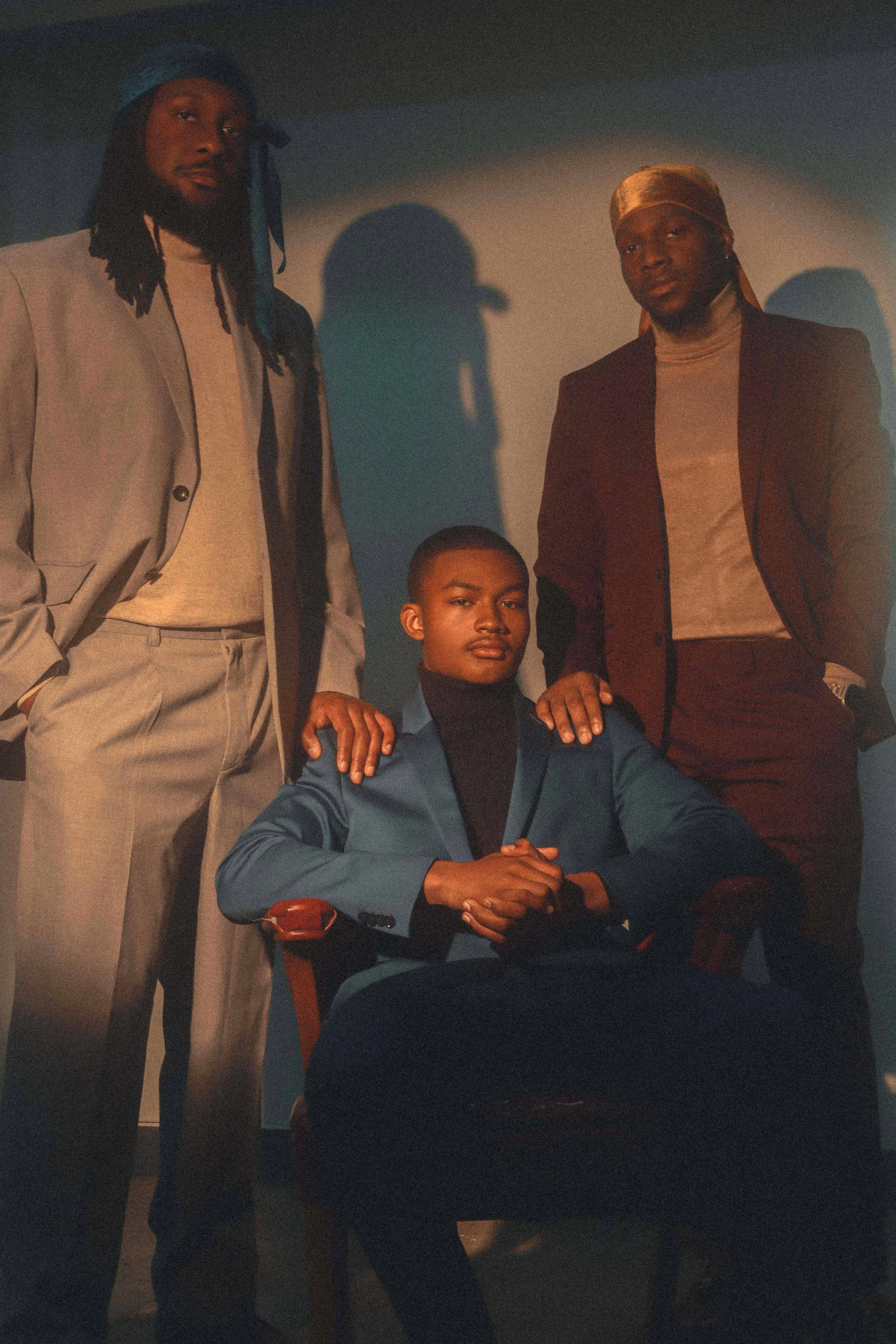
The act of shaving, of tending, reads as both communion and compliance, somewhere between care and control, between brotherhood and surveillance. Are they preparing him for the world, or preparing him to be palatable to it?
Maybe both.
Clippers hum. Hair falls. A performance unfolds.
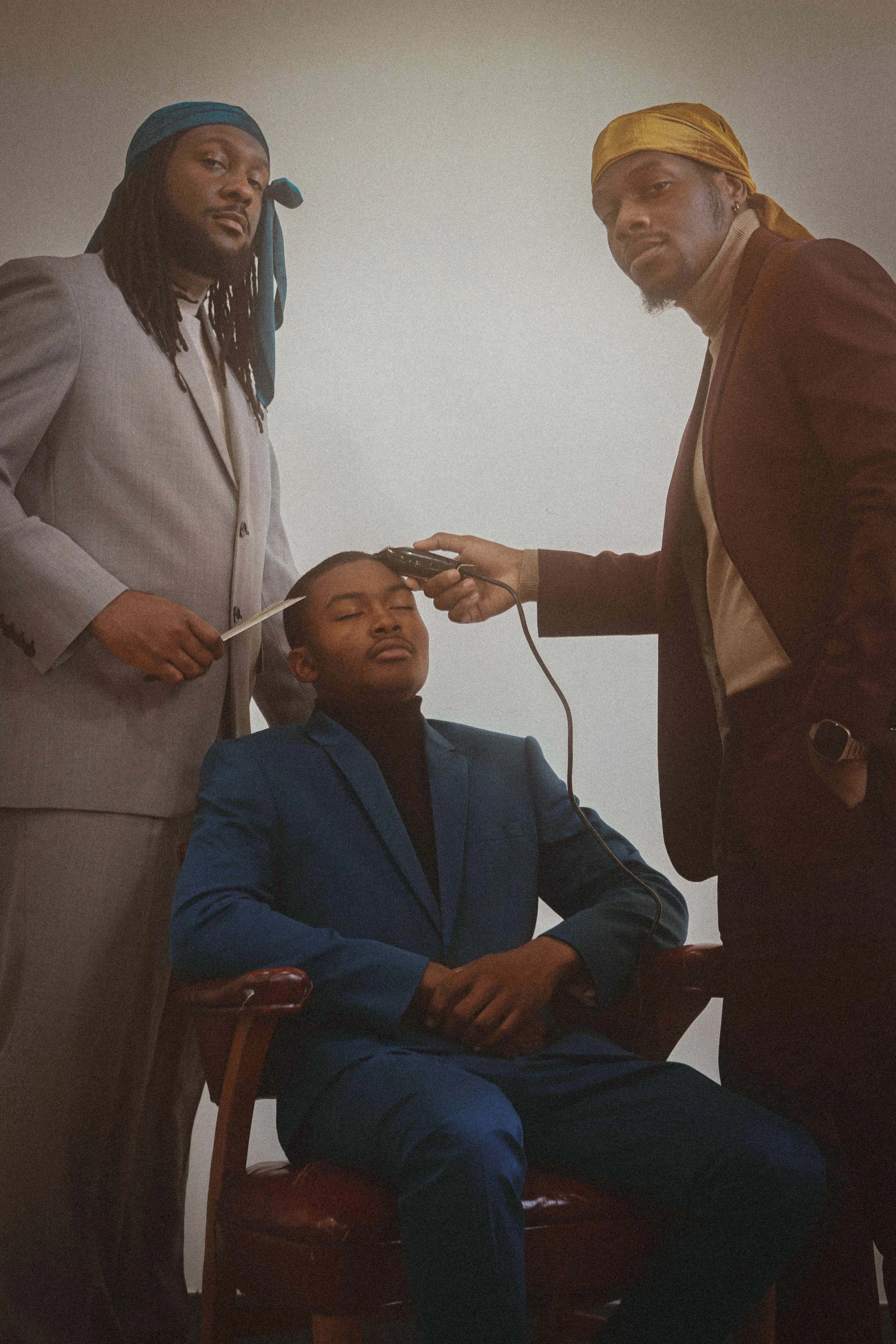
Perhaps the durag is not undone by the suit—but completes it? What if the ritual is not about erasure—but about authorship?
What if, in the very act of being seen, they are choosing how? In this instance, dignity is not granted. It is enforced—quietly, sharply, undeniably. And the choreography? It was never theirs to follow. So they rewrite it.
Photography by Ashley Munro
Editorial by MUNREAUX
Featuring Darryl Baker, Jonathan Robinson, and Kwan Holloway