WHO’S COMING TO DINNER: a feast of material provisions.
If a stranger were introduced through the possessions they could never part with, who would you meet? If we encountered others not through their faces, but through the objects that have become inseparable from their lives, what would we learn?
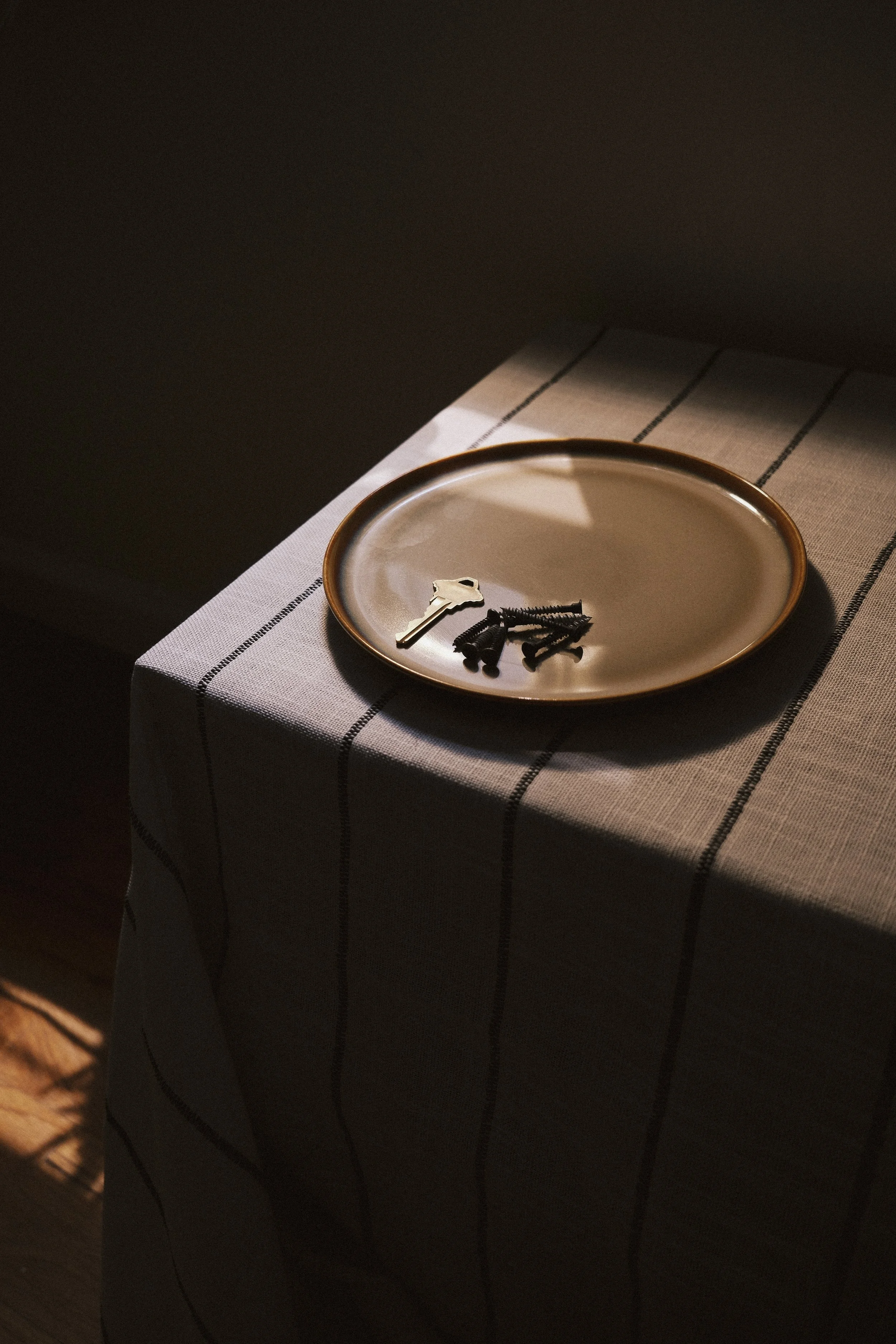
Every object we choose to keep is also a decision about what deserves our intention. Long after their practical purpose has ended, certain possessions continue to nourish memory, identity, and belonging—becoming quiet witnesses to the lives that hold onto them.
Who’s Coming to Dinner? is a conceptual photographic portrait series that invites the examination of people who never appear before the camera. Each tray of personal belongings are objects that each persona would never discard—some that have outlived their practical purpose yet continue to carry emotional history, some that have no inherit monetary value but carry symbolic weight, some that sustain an entire existence. Carefully arranged on a dinner plate and presented on a serving tray, these collections become portraits of absent guests, where identity is conveyed through attachment rather than appearance or direct expression.
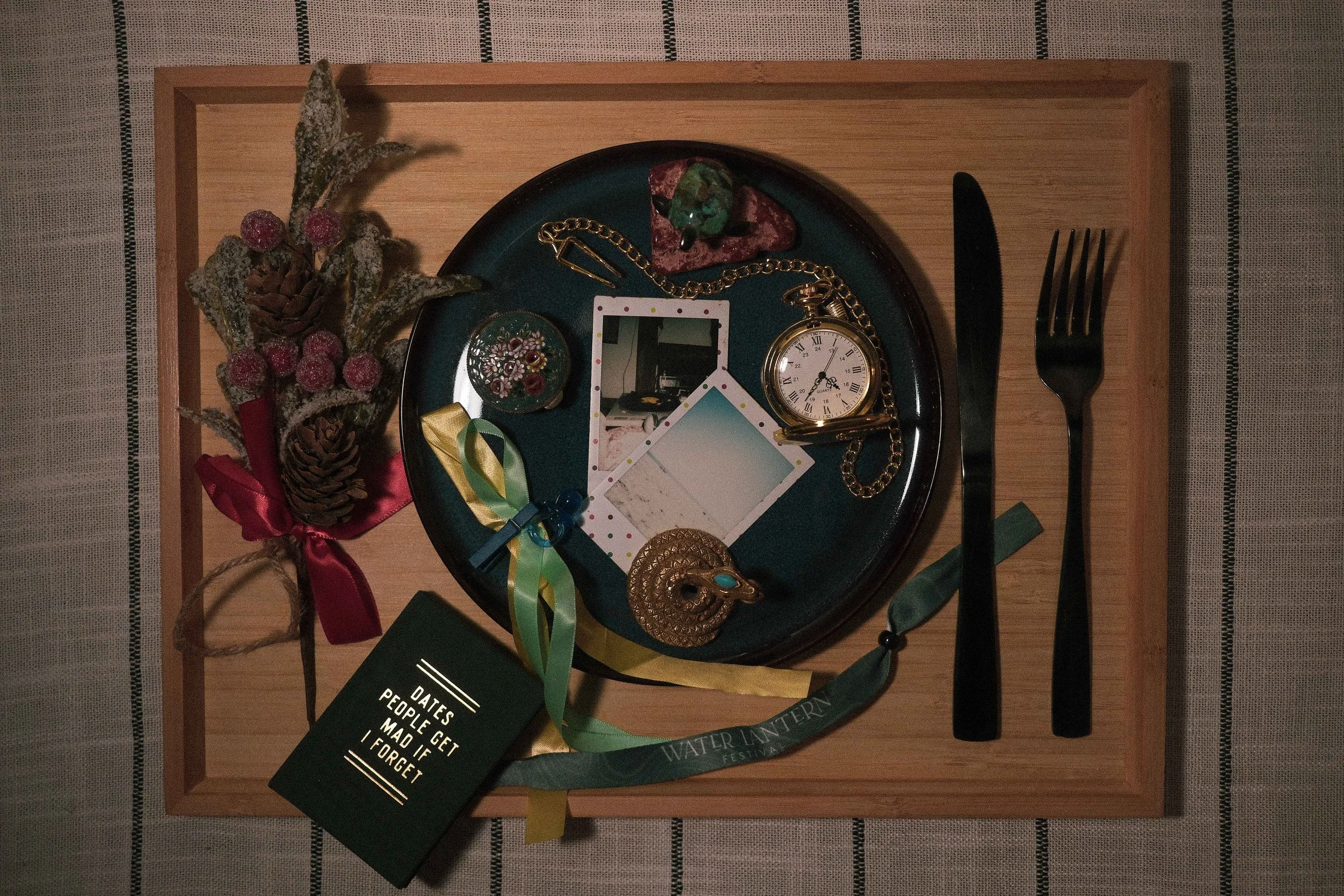
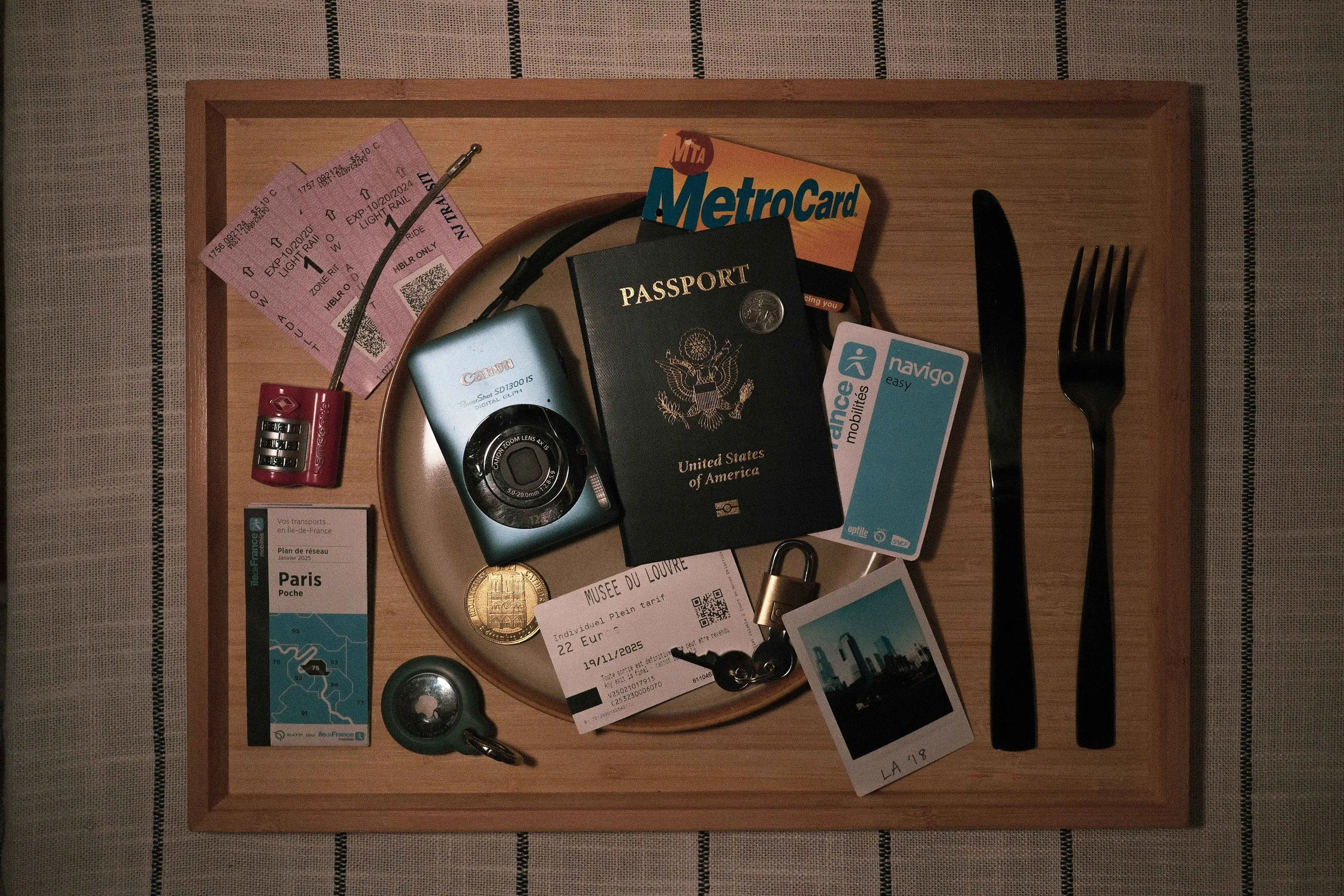
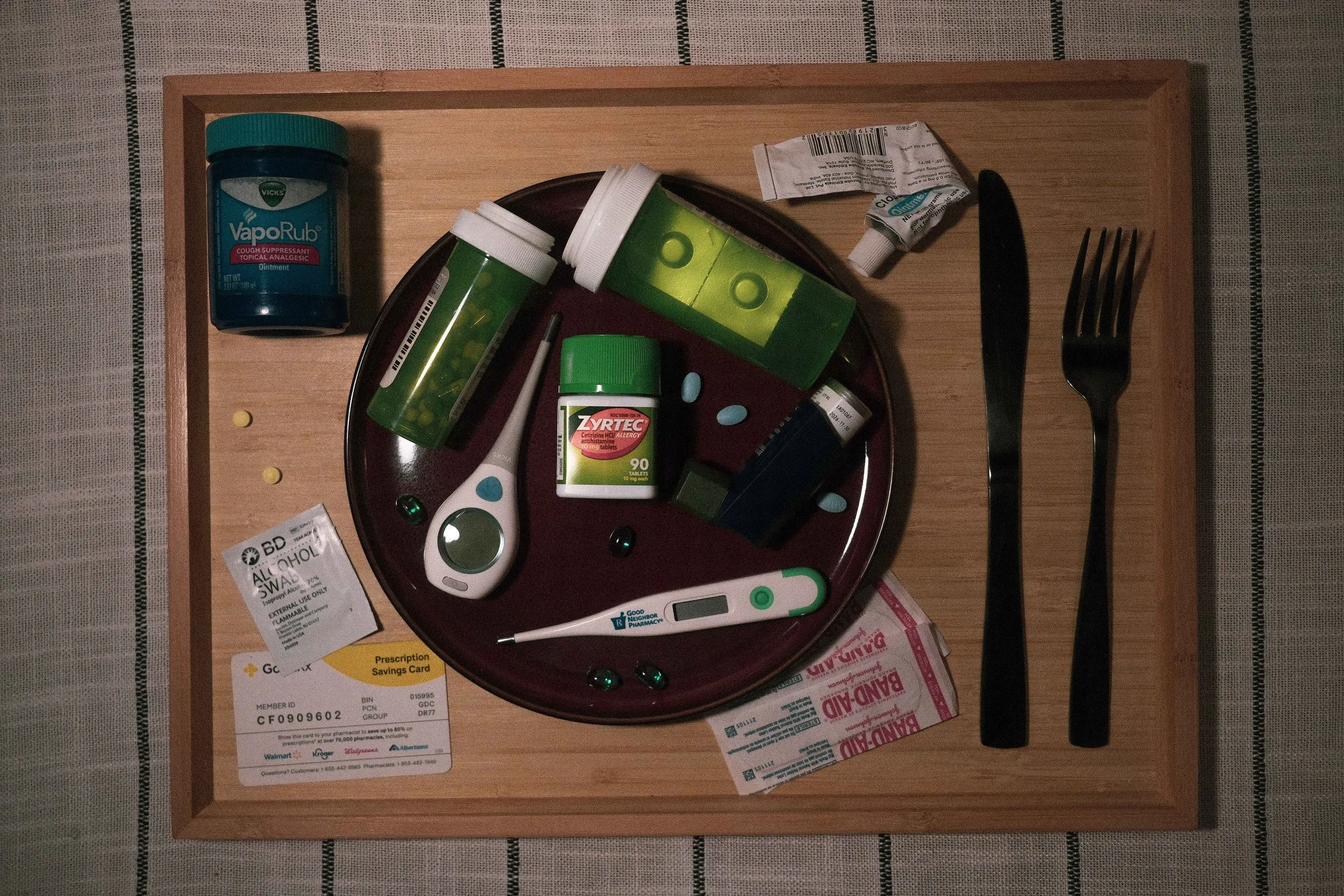
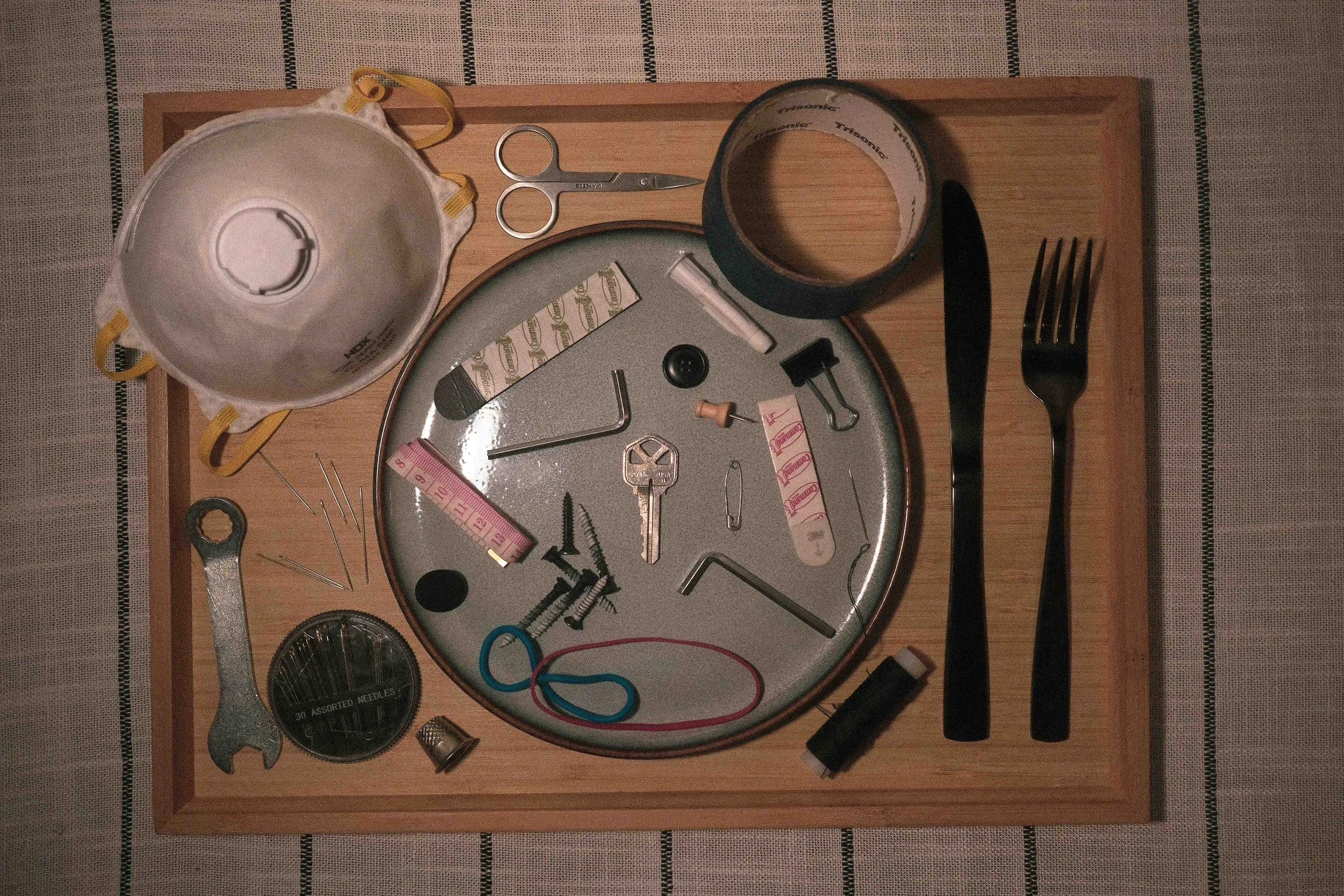
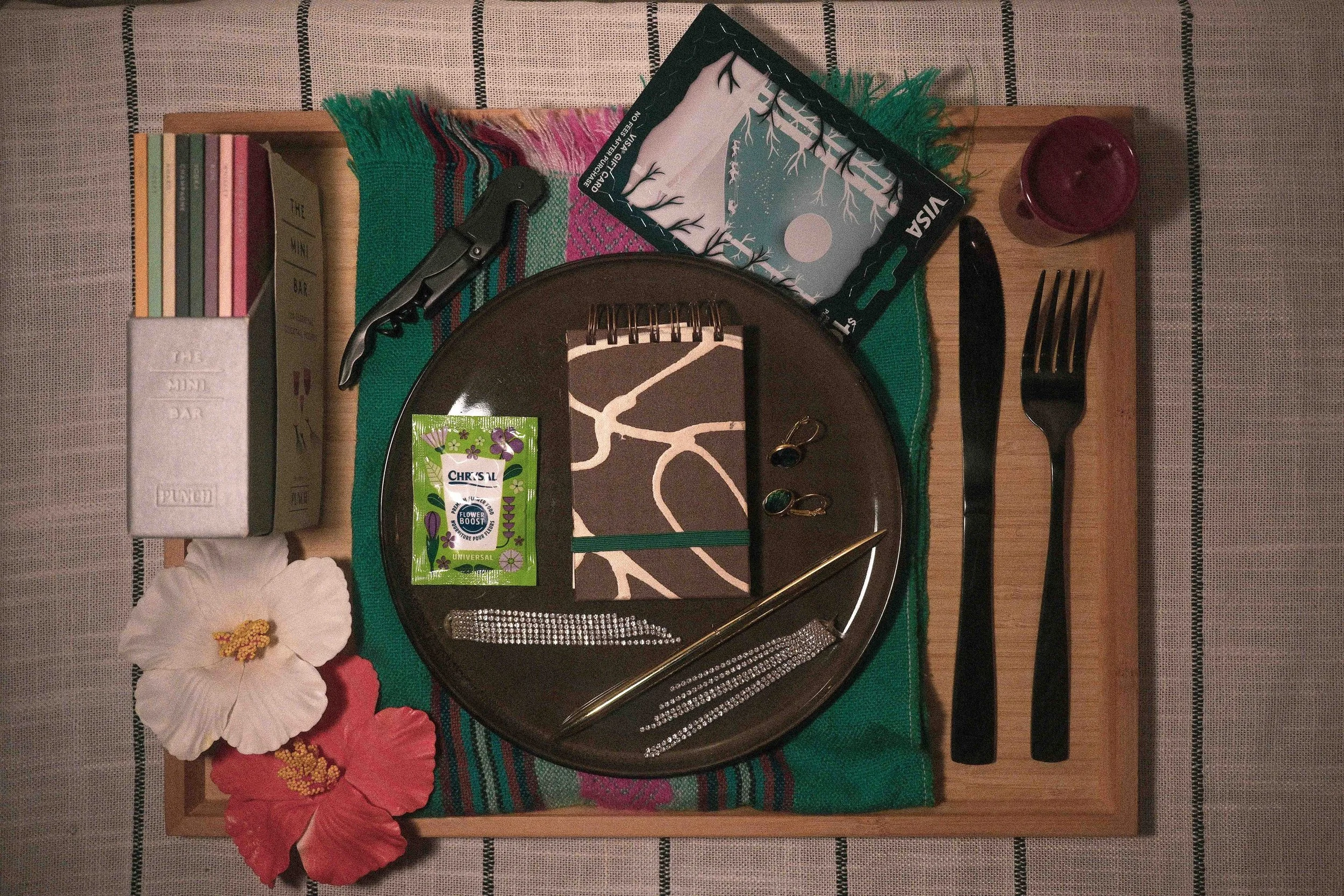
Exploring the realm of possessions, value, sustenance, and self-worth—the series considers how the things we choose to preserve become extensions of ourselves and reflections of our sustained presence. By replacing the expected meal with treasured possessions, the familiar ritual of gathering around the table is transformed into an invitation to contemplate what truly nourishes us. Each place setting asks the same question: if we were introduced not by our faces, professions, or achievements, but by the objects we refuse to discard, what story would these items tell?
The portraits assembled through attachment rather than appearance, reveal the intimate negotiations between possession and identity: whether we own the things we keep, or whether they quietly come to define us. The works explore the tension between utility and sentiment, asking why certain objects endure beyond their practical purpose and become vessels of significance. They examine the paradox of consumption and preservation, transforming the traditional dinner plate—a site of nourishment, use, and eventual disappearance—into a container for what is protected, saved, and carried forward. Through the absence of the sitter, the series creates a presence that is reconstructed through fragments, suggesting that what remains after someone has left can sometimes communicate more profoundly than a physical likeness.
Photography by Ashley Munro
Editorial by MUNREAUX