THE SHORES OF SABAGREIA: tradition, labor, and the abundance of lake efi.
Nets are gathered, boats prepared, hands organized around a rhythm older than any individual participant.
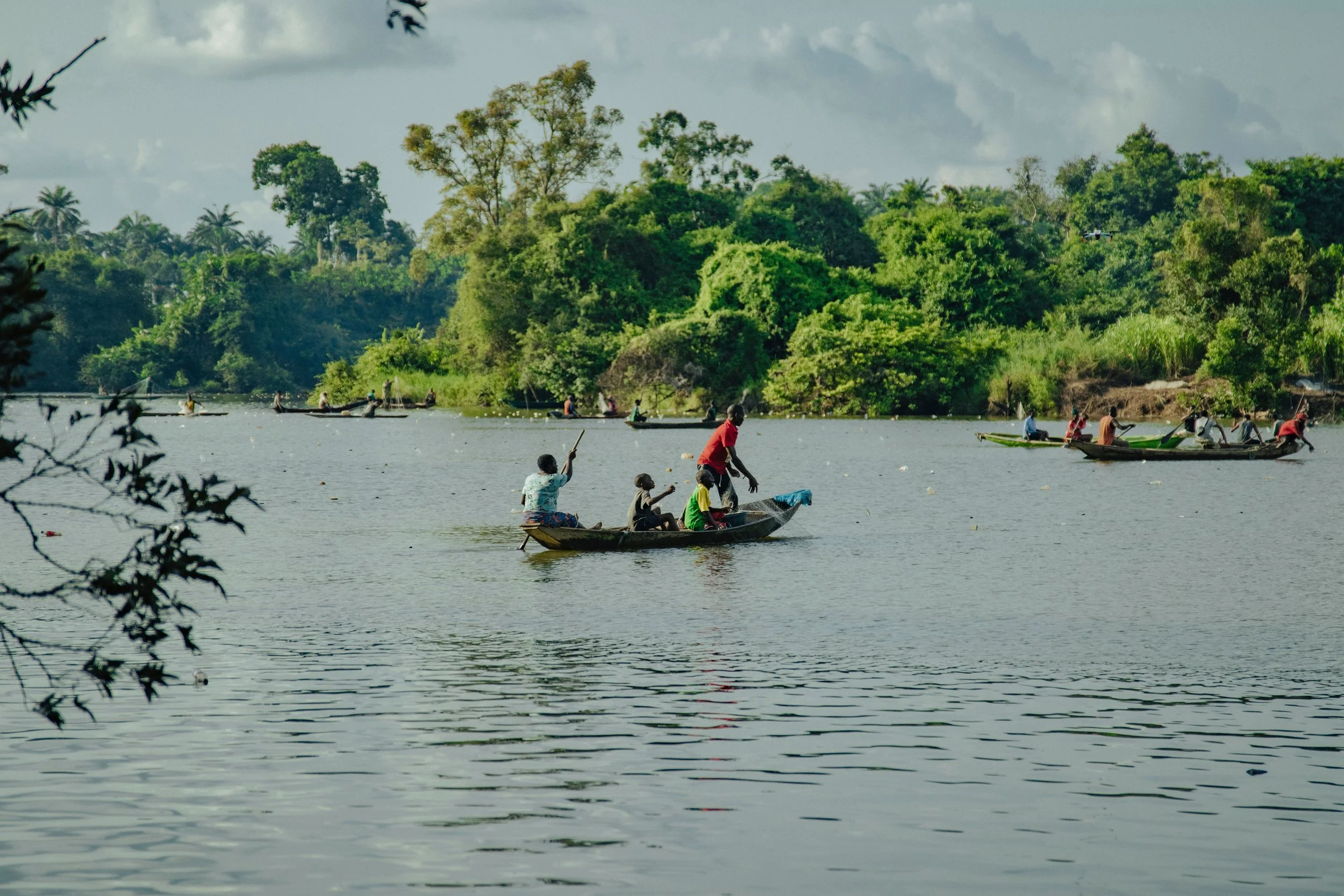
Before the catch is counted, it has already been anticipated. The Shores of Sabagreia by photographer Babajide Jeffrey Soile, documents a celebration where labor and ritual become inseparable, and where value emerges not only through what is harvested from the river, but through the collective effort required to meet it.
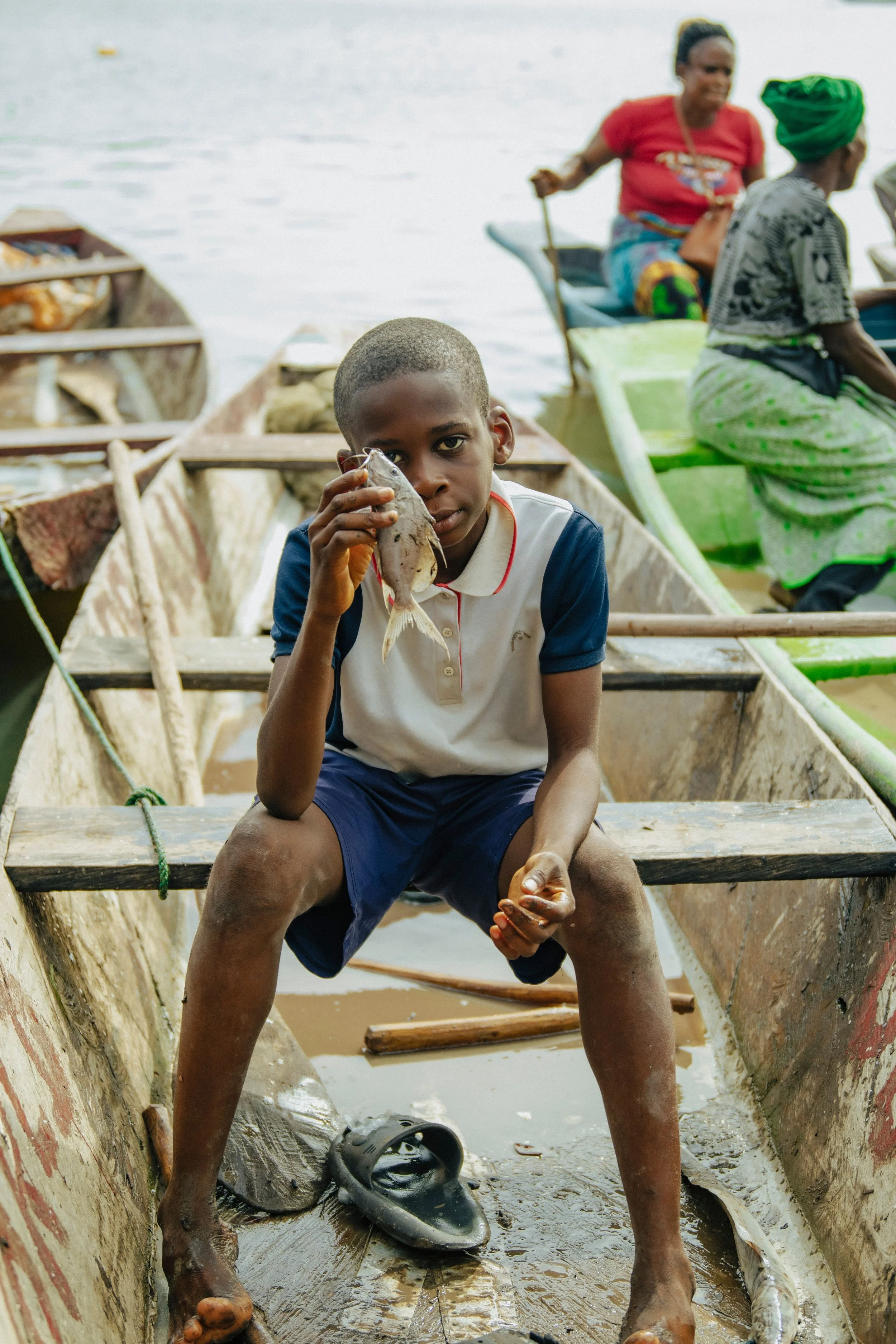
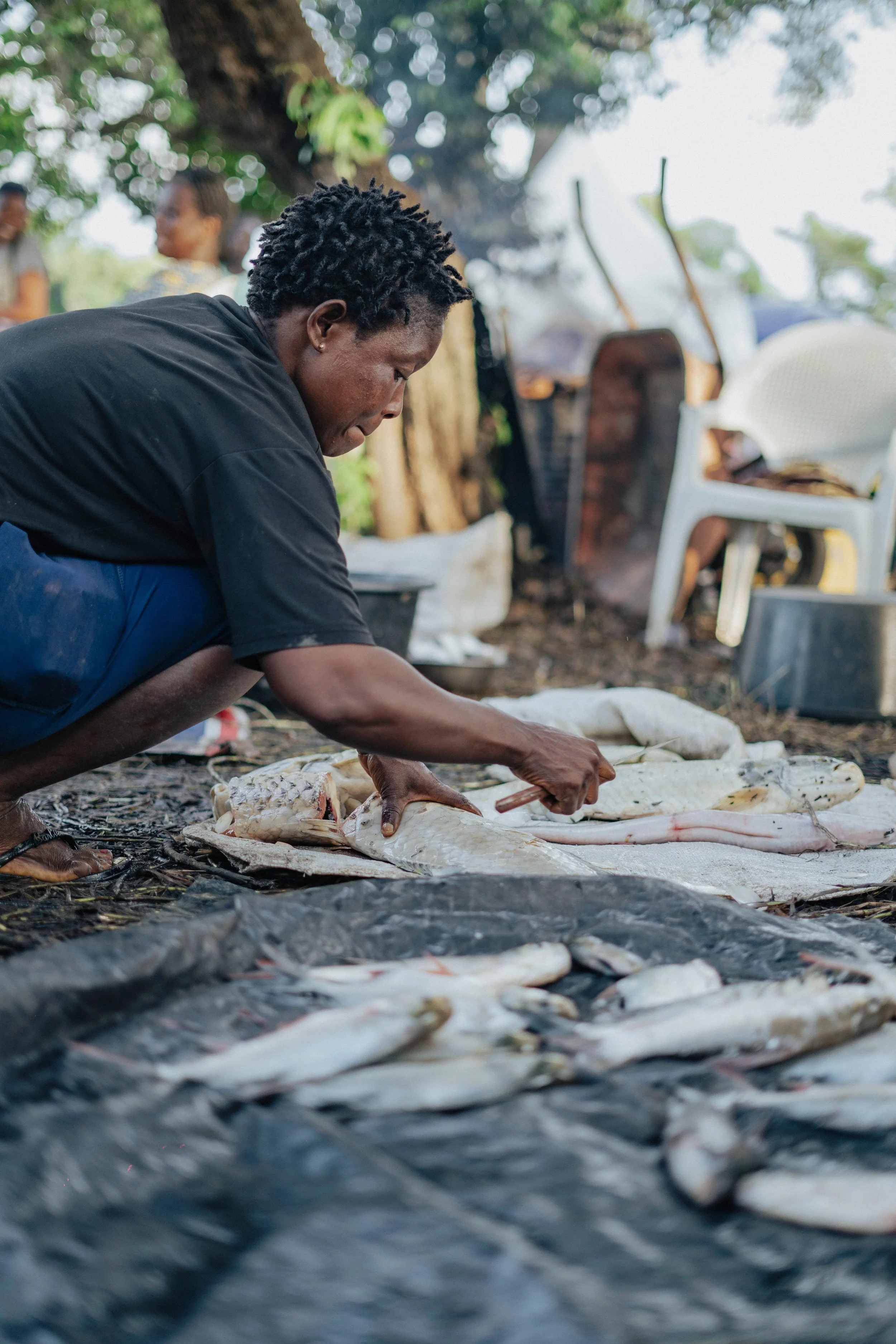
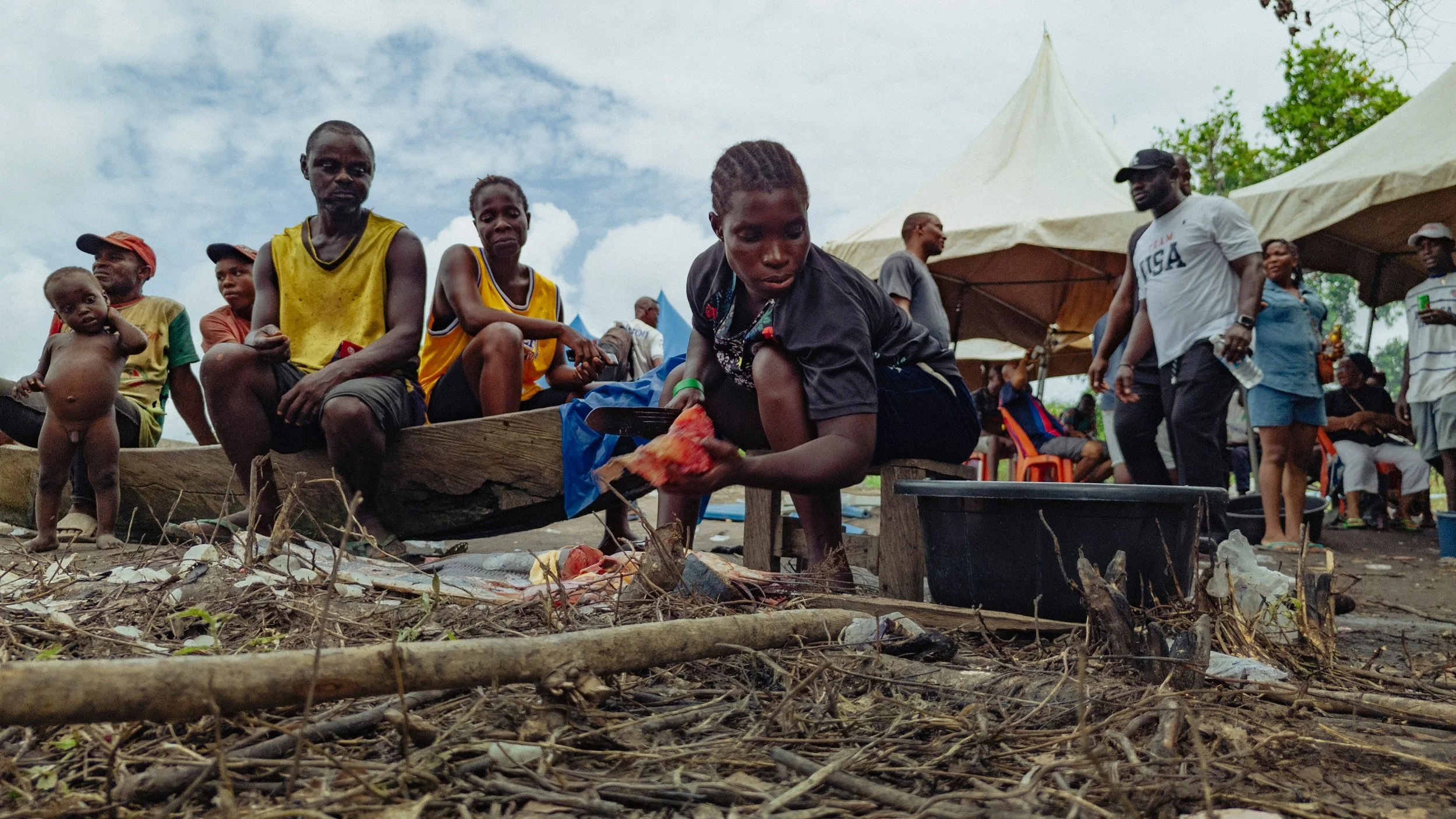
Throughout the series, fish function as more than food or commerce. They become a shared resource around which an entire community organizes its time, movement, and celebration. Preparation, exchange, and participation carry equal visual weight, suggesting that abundance is created not solely through what the river provides, but through what people contribute to one another.
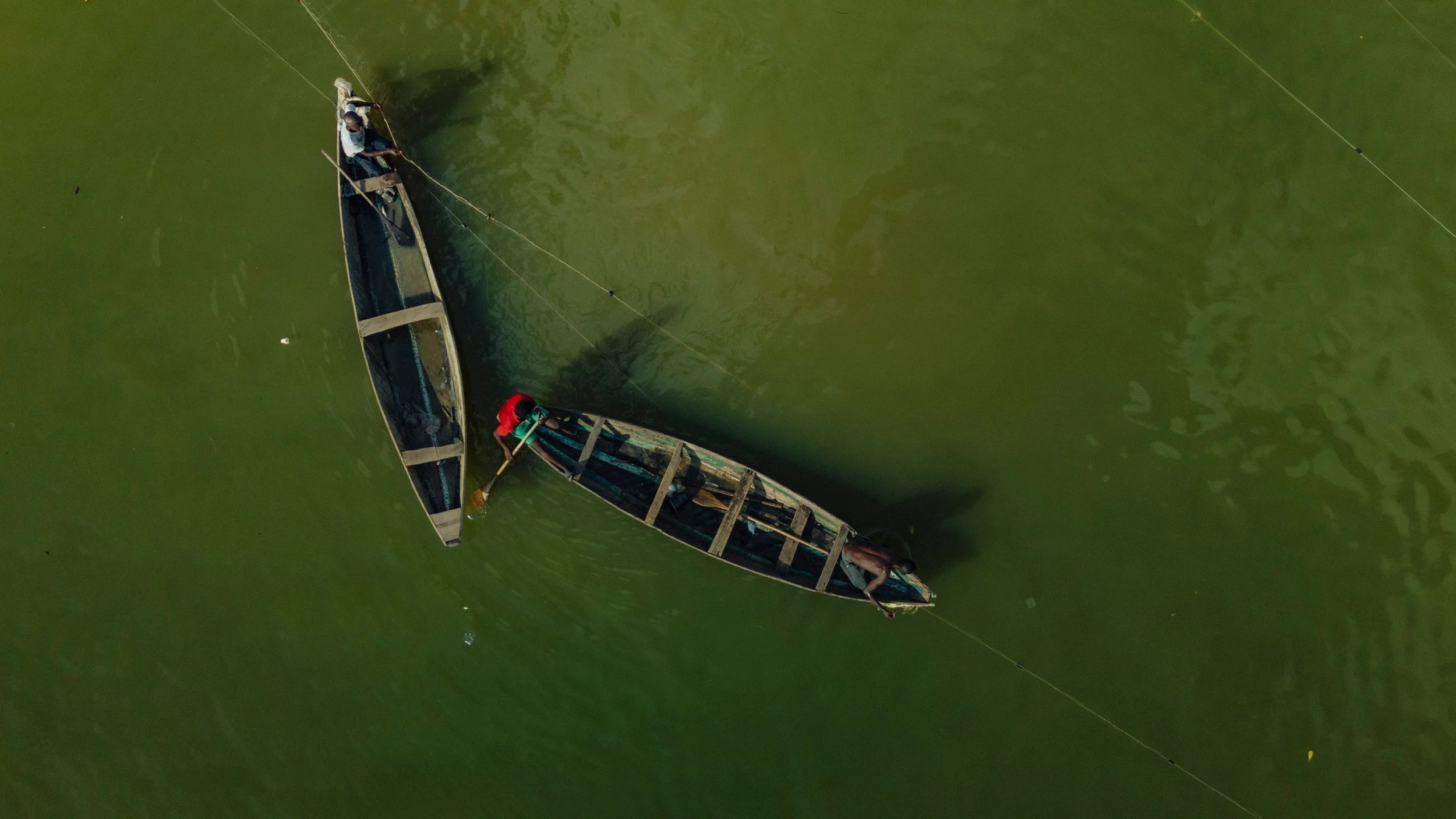
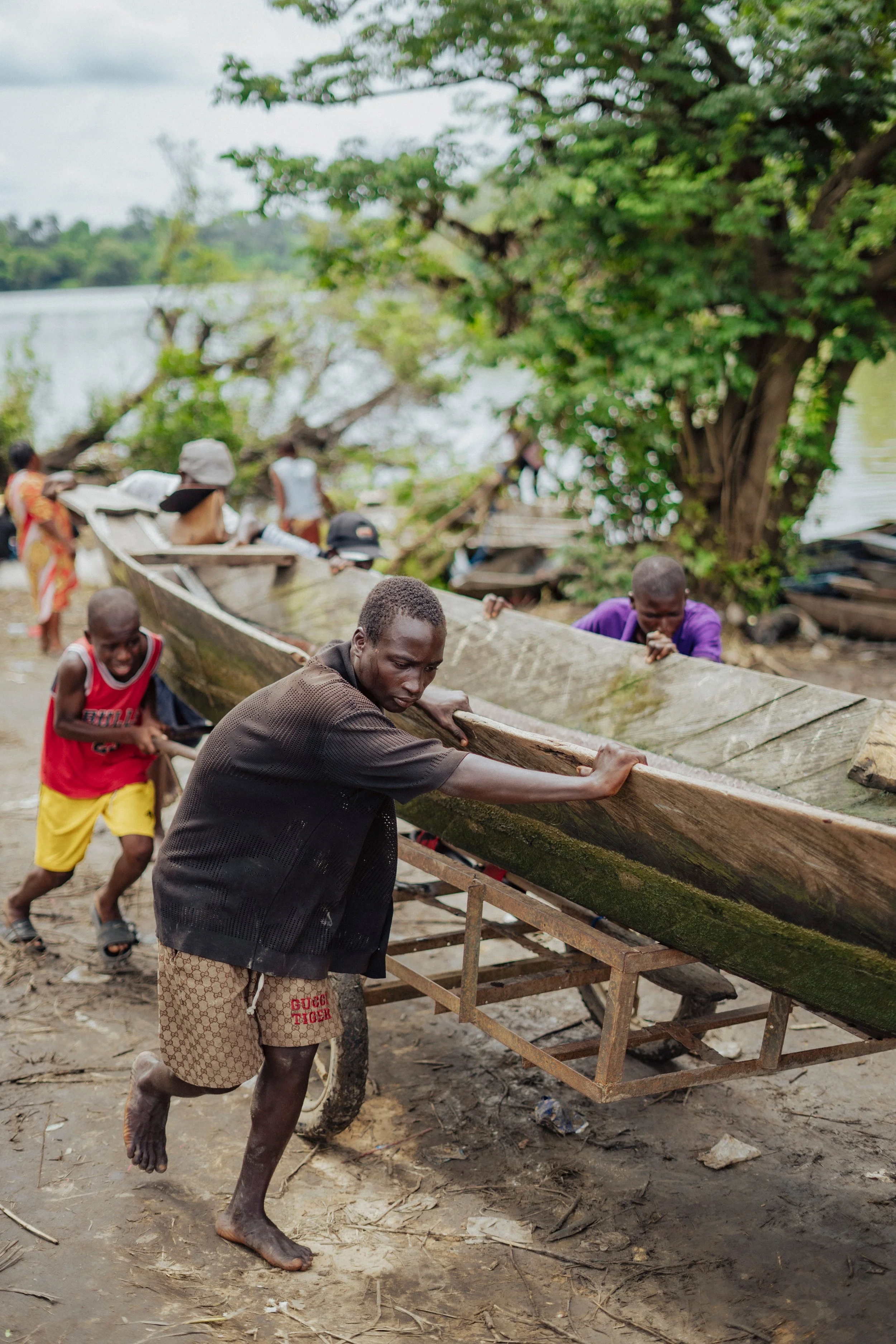
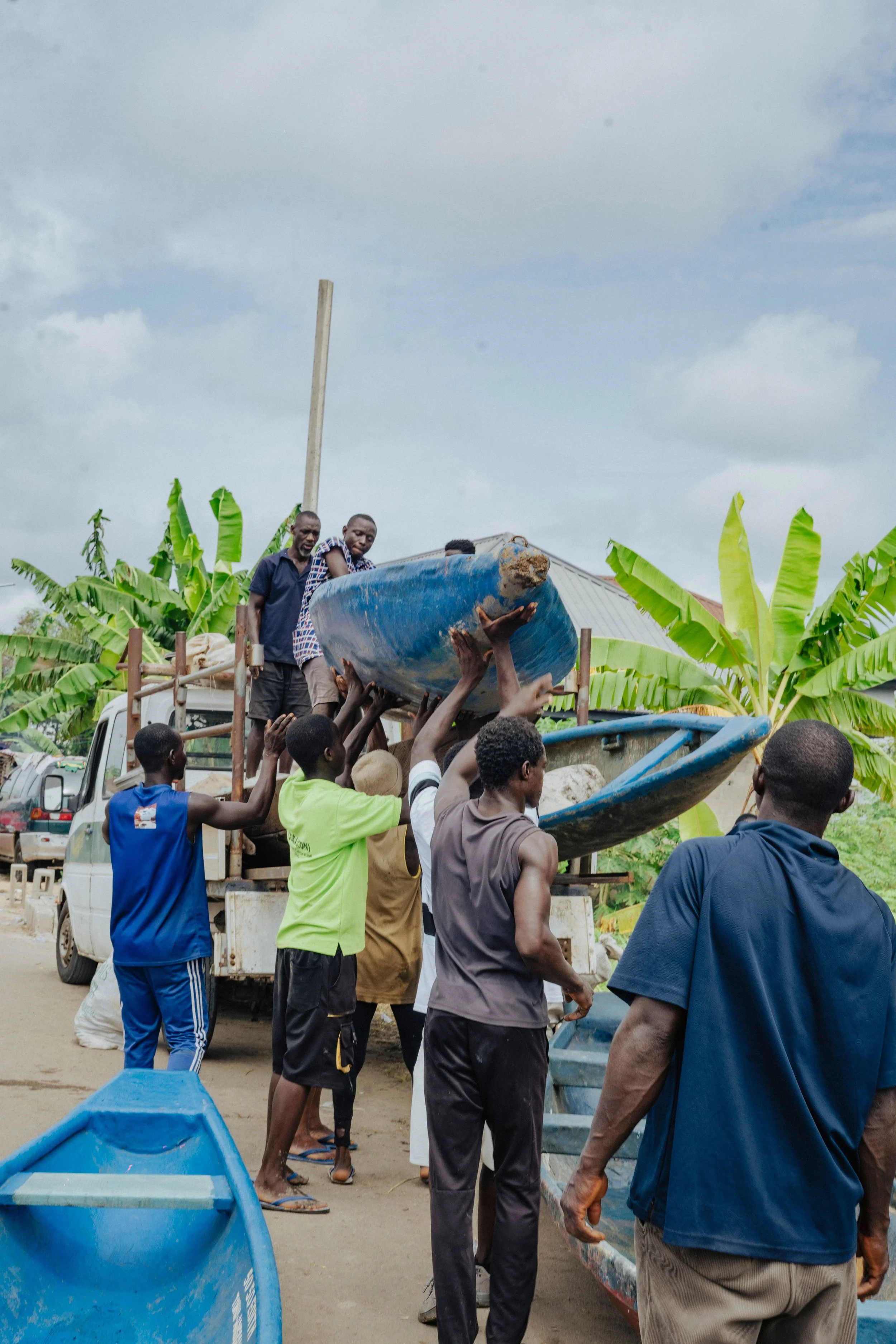
Some forms of wealth cannot be separated from the people who create them together. The Lake Efi Fishing Festival in the Sabagreia community within the Bayelsa state of Nigeria illustrates an economy built as much on participation as on harvest, where preparation, exchange, and collective labor carry as much significance as the celebration that follows. Soile’s photographs highlight the perspective that abundance is rarely an individual achievement; more often, it is the visible result of many hands working toward something shared.
“This collection highlights the beauty in the chaos of the Sabagreia fishing festival in Bayelsa state that happens once every 4 years, and is celebrated grandly from far and wide—by neighboring states, and sometimes people from outside the country. My work highlights the beauty of it all, the hard work put in by all parties, and the joy from it all by the old and young.”
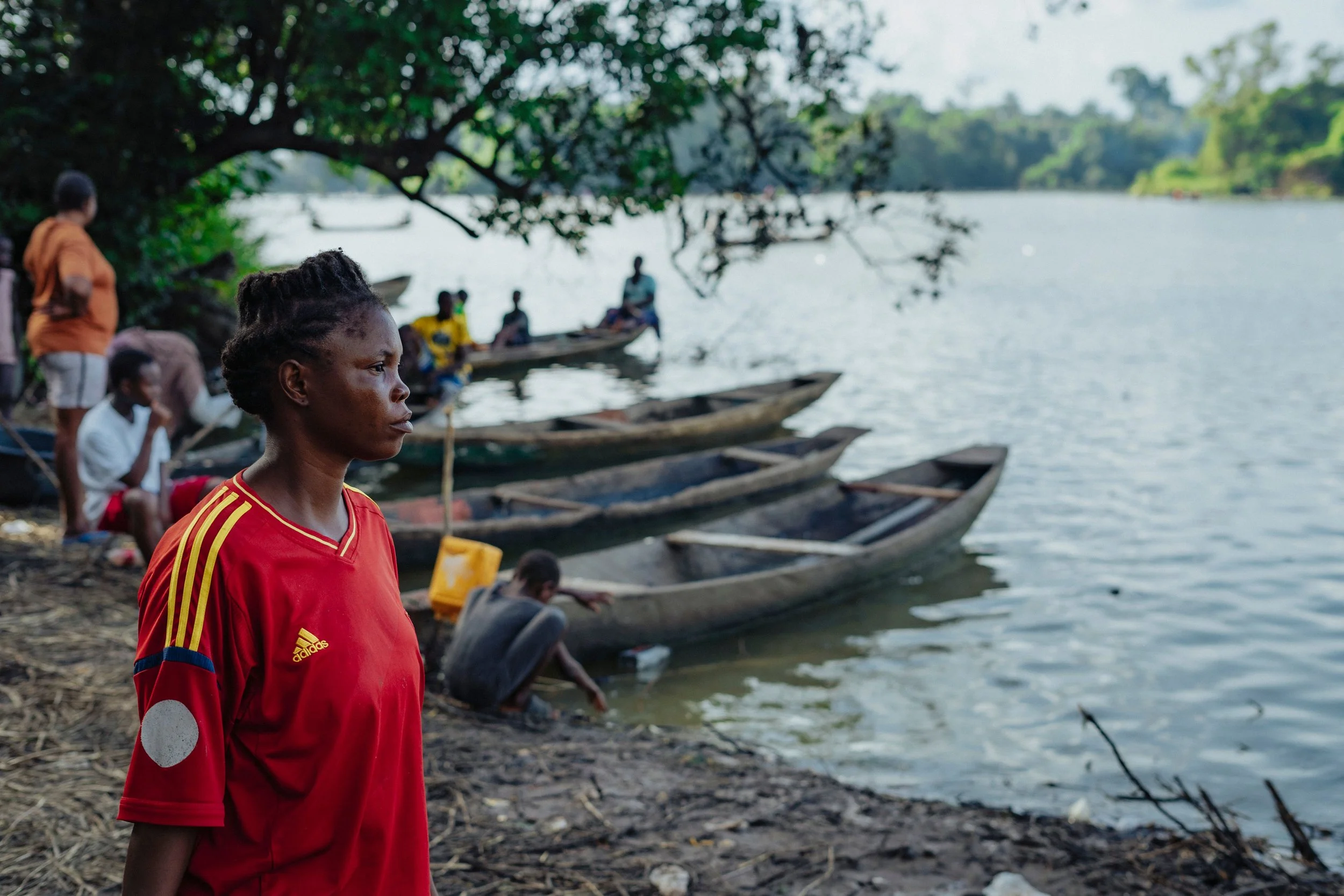
The river functions as both landscape and livelihood. It provides, but it also asks something in return: knowledge passed between generations, cooperation among participants, patience with seasonal rhythms, and trust in shared practices that have endured throughout the region’s history. These relationships extend beyond the river's edge. The festival depends on many forms of contribution—physical labor, inherited knowledge, communal organization, and the willingness of individuals to participate in something larger than themselves.
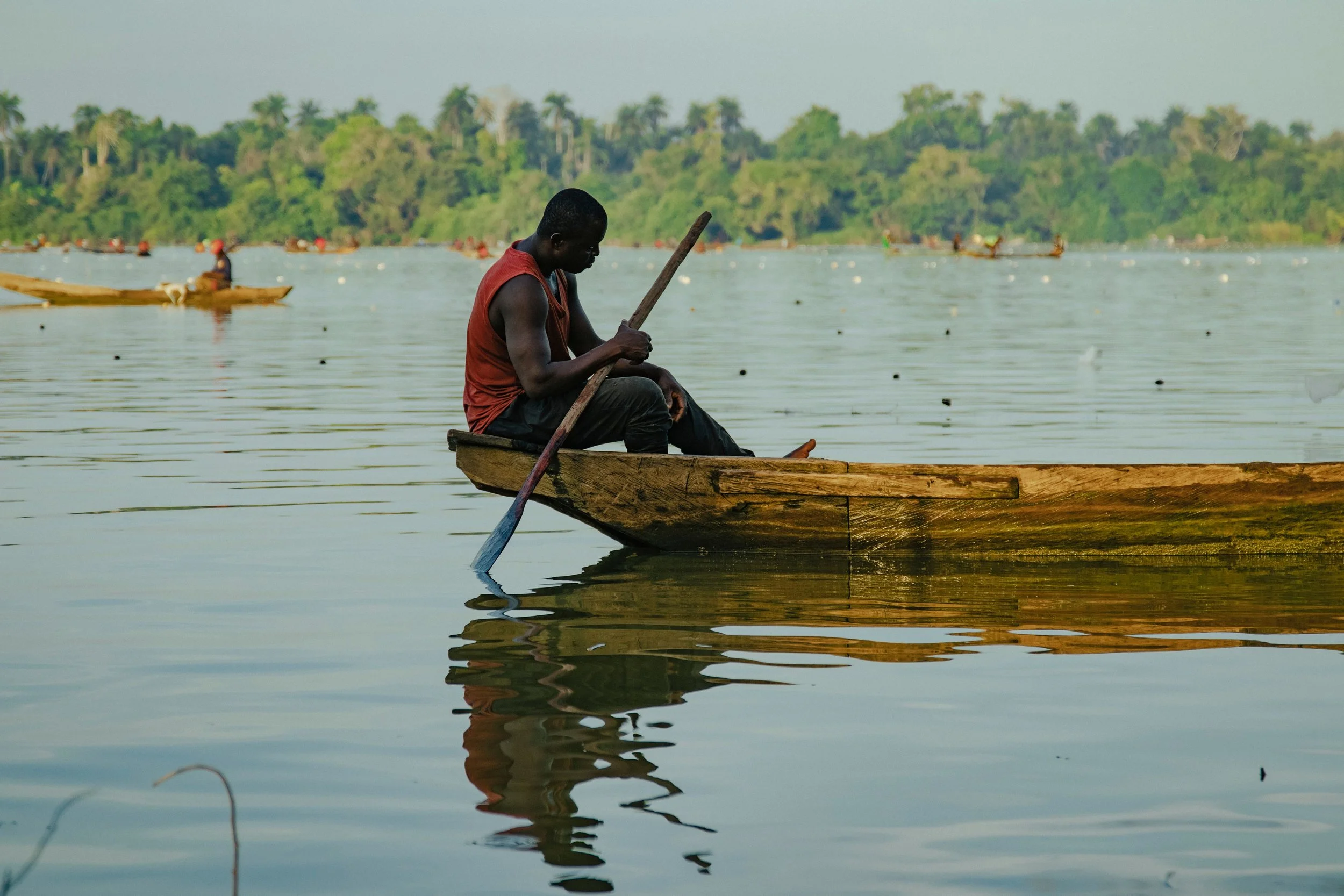
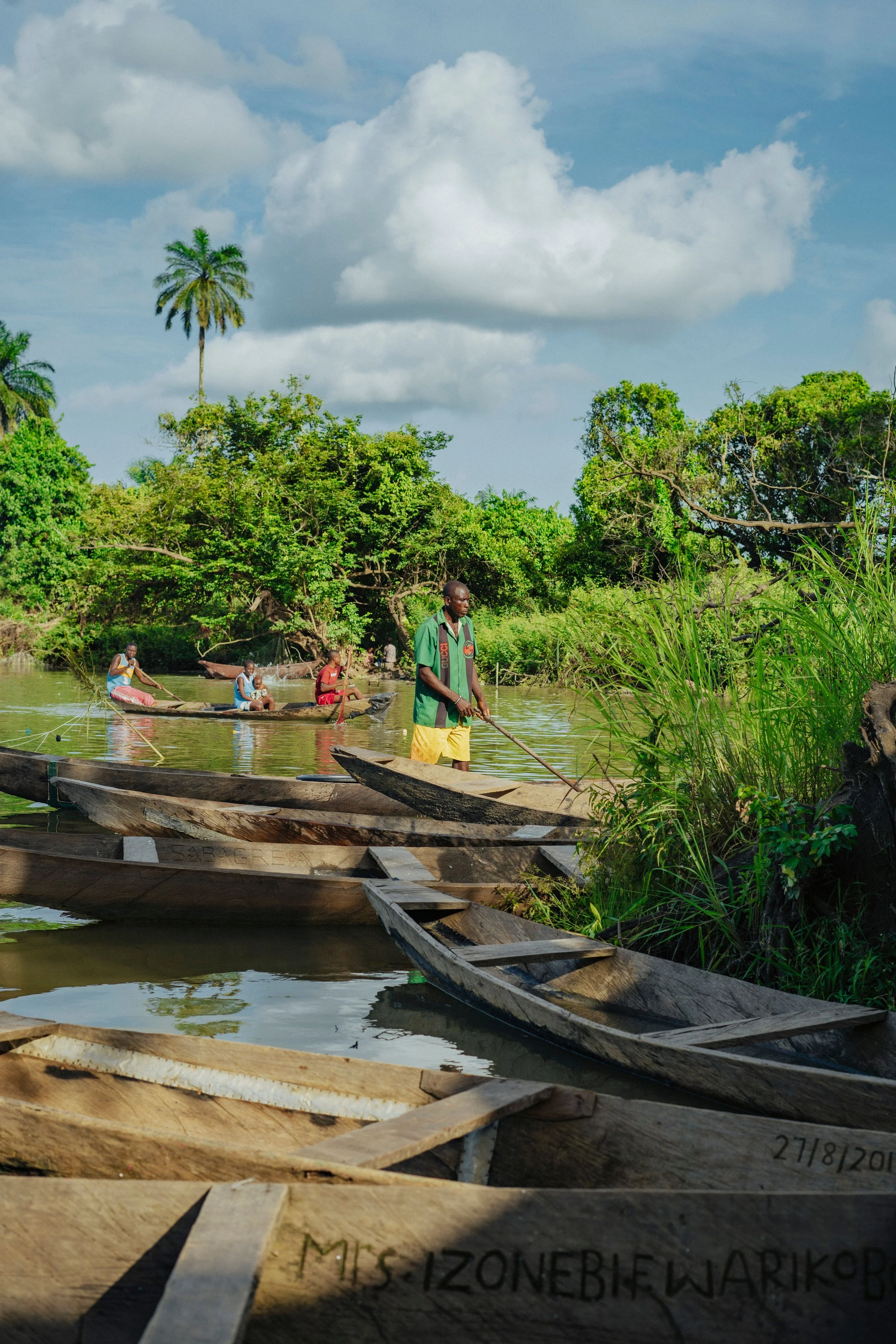
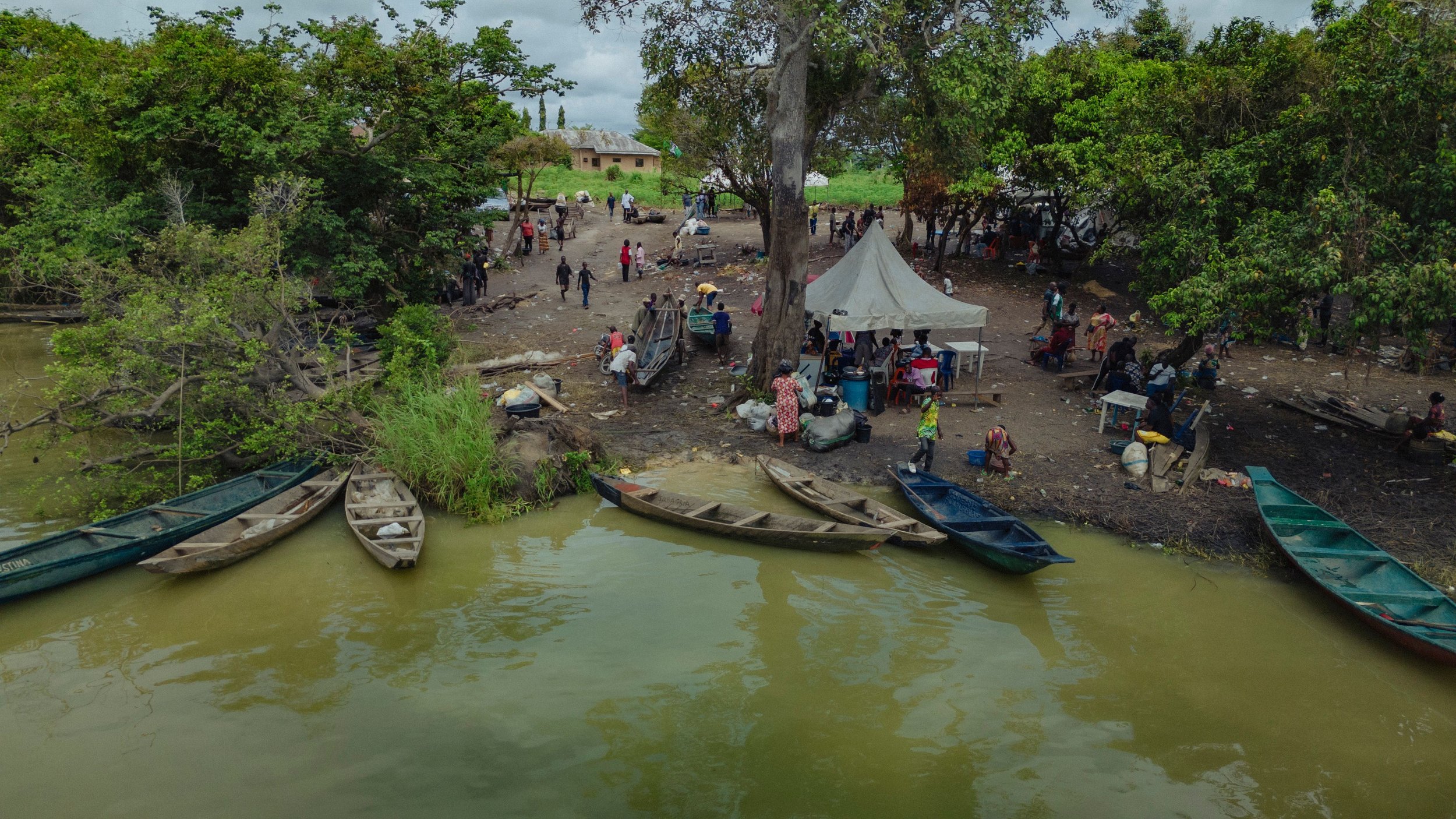
“I want my work to feel cinematic, intimate, and emotionally honest—inviting viewers to pause, feel, and find pieces of themselves within the imagery. I’m drawn to capturing authenticity in people, spaces, and everyday moments, because I understand how important it is for individuals and communities to see themselves represented in meaningful ways. My perspective allows me to approach projects with sensitivity, cultural awareness, and intention ensuring that the stories I tell are not just visually compelling, but also respectful and impactful.”
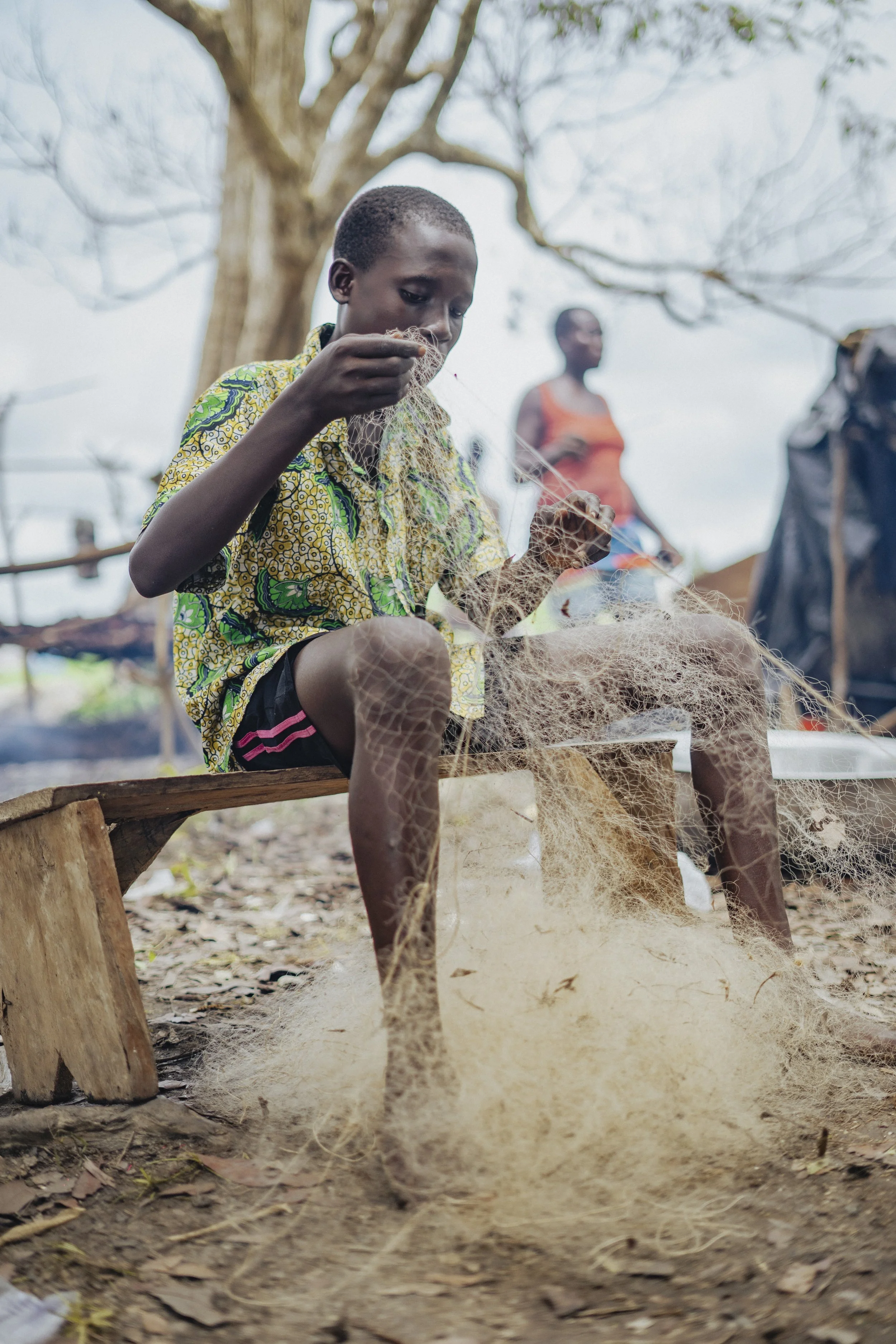
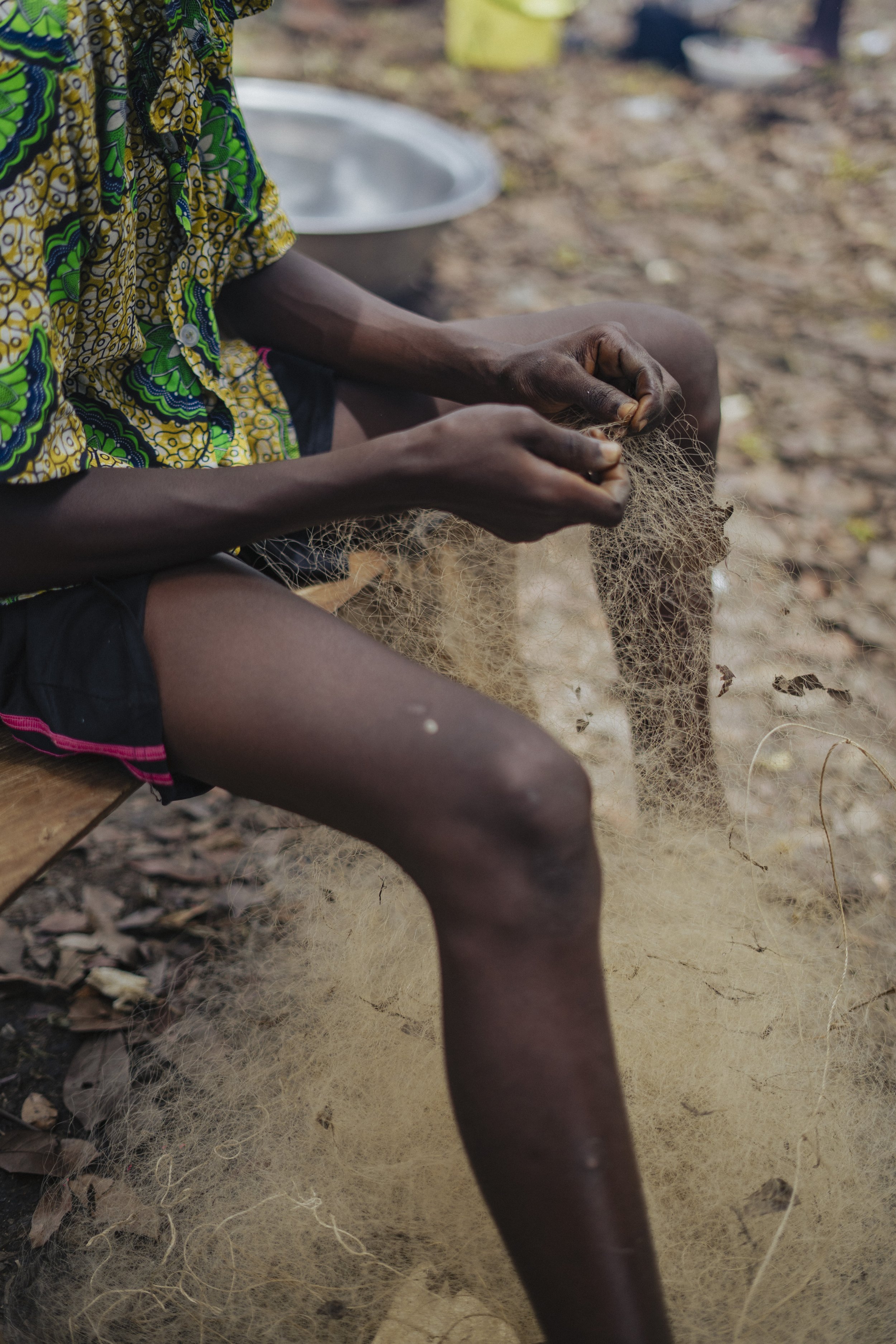
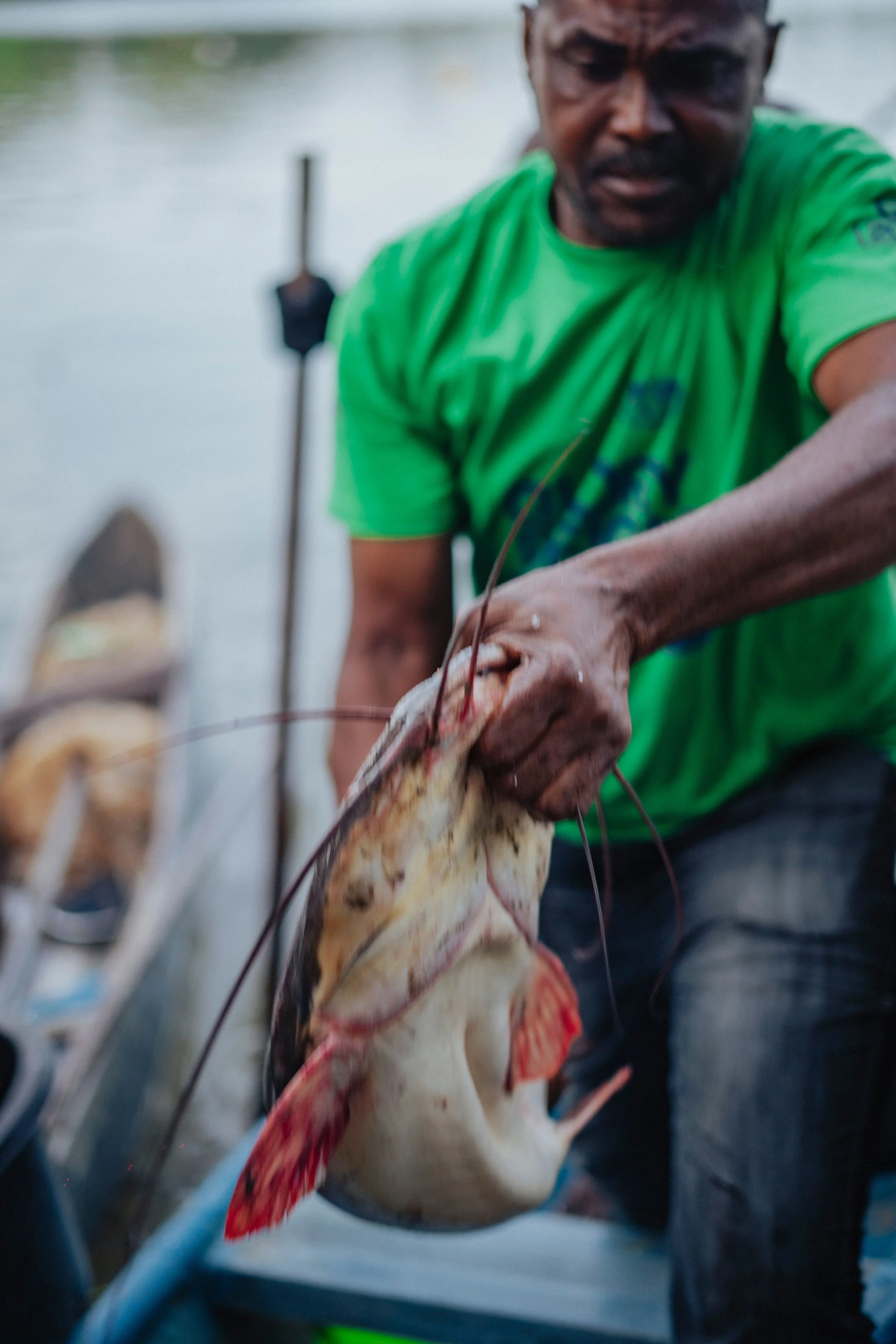
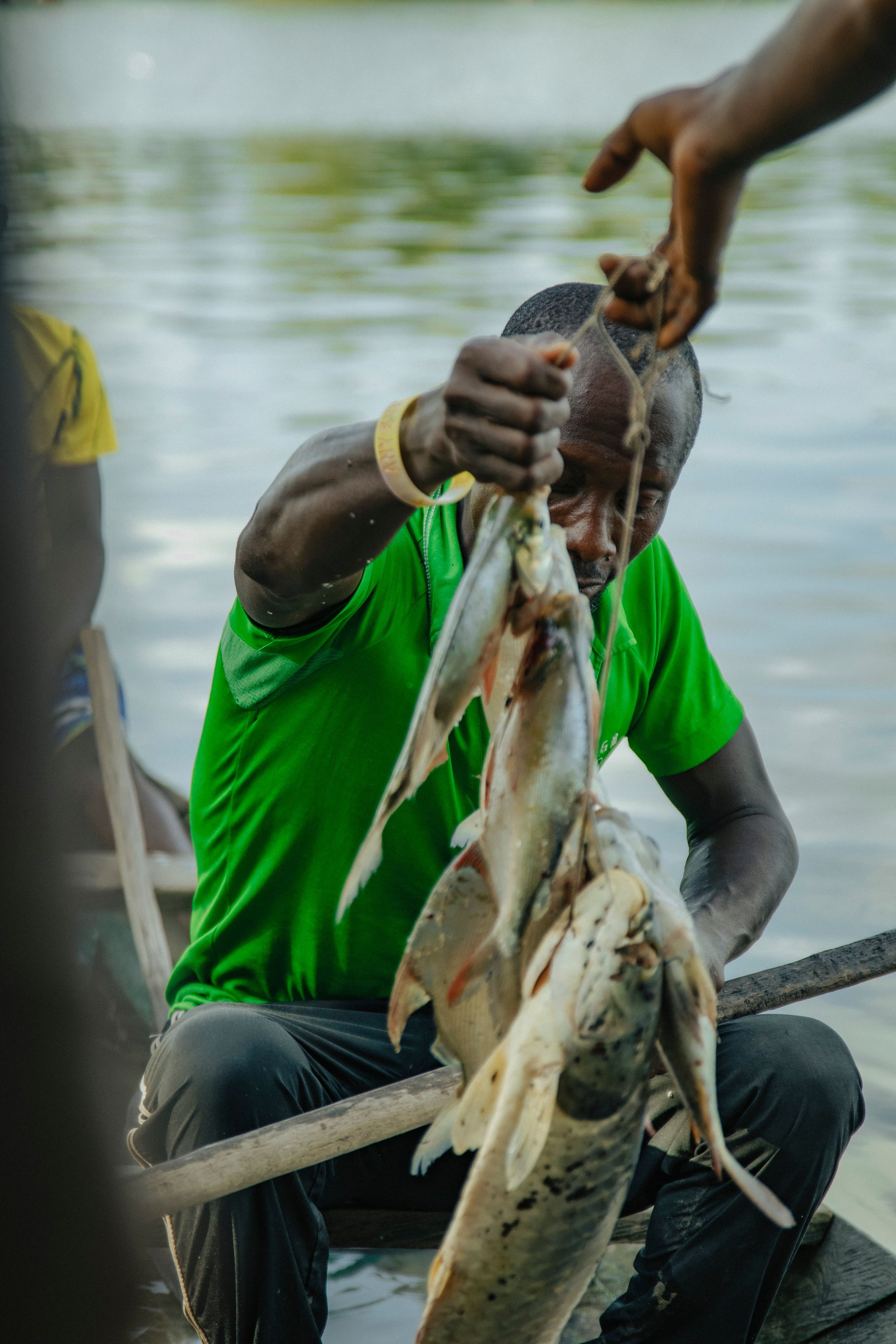
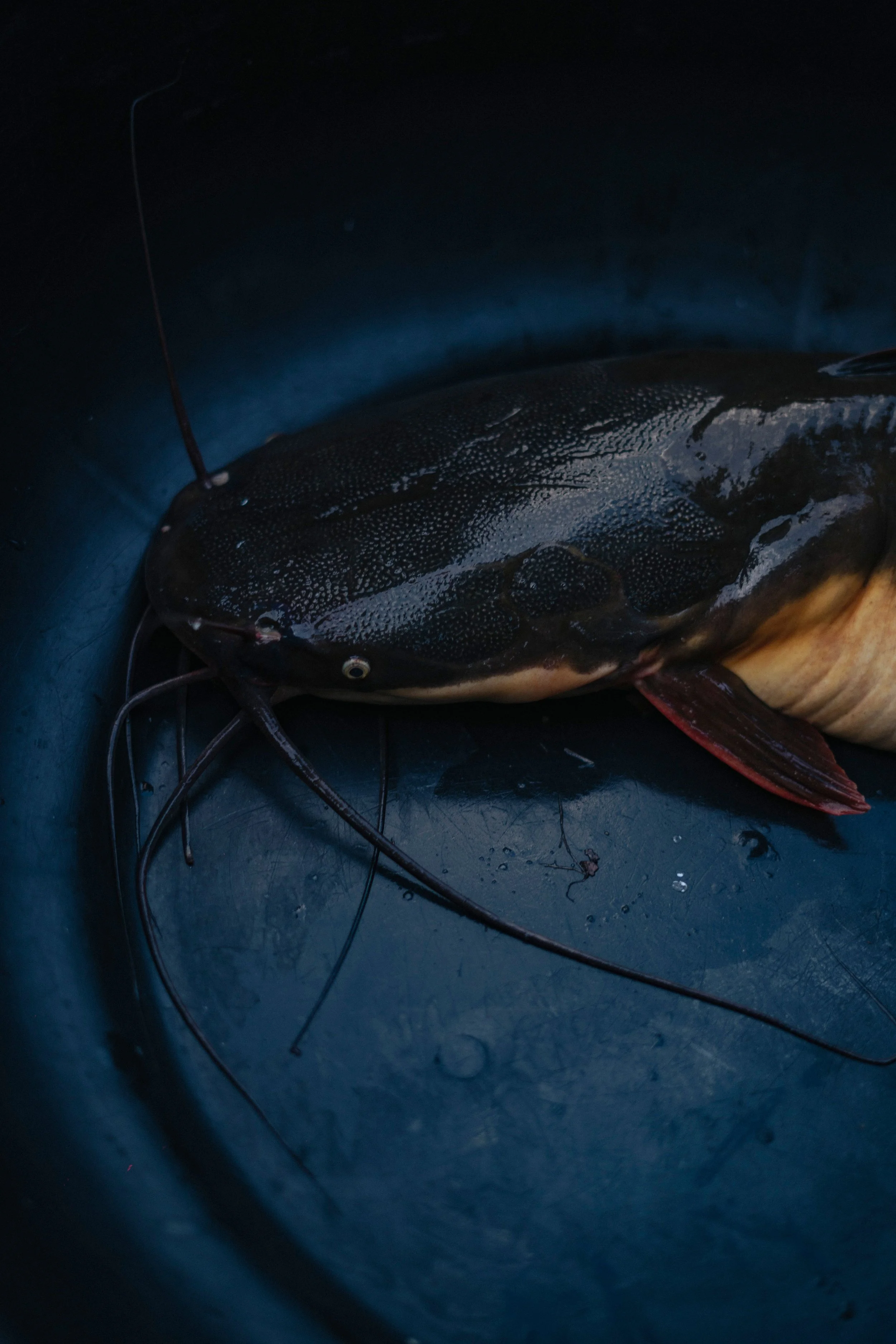
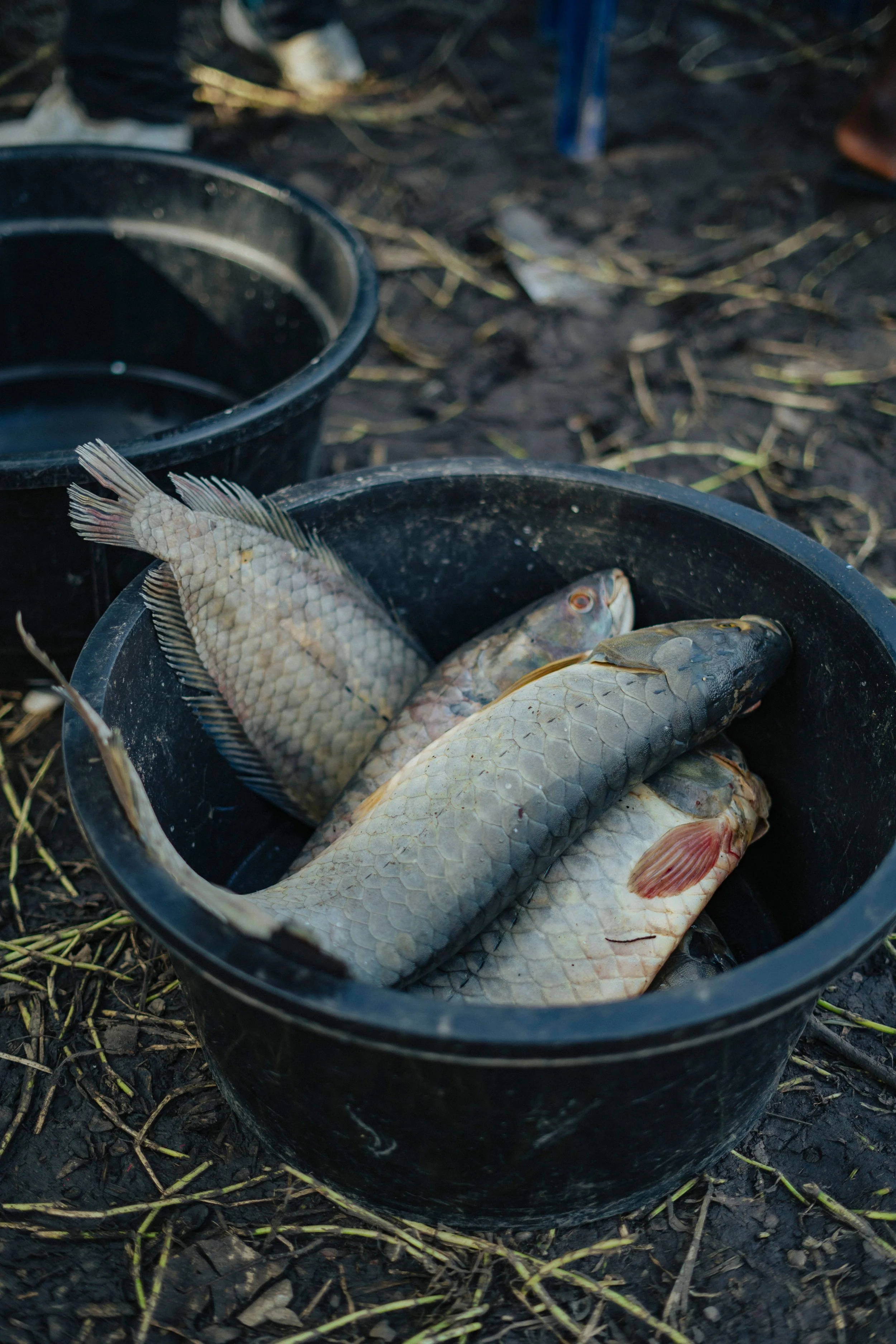
Soile’s images resist reducing the festival to spectacle. Crowds gather. Water splashes. Fish glisten in the light. Faces alternate between concentration and celebration. Yet beneath the visuals lie an underlying structure built on exchange. Each movement is connected to another; meaning emerges through countless small contributions repeated over time.
Seen together, these photographs ask us to reconsider what abundance looks like. It is found not only in the day’s catch, but in the relationships that make the catch possible. By documenting both the work and the celebration with equal attention, The Shores of Sabagreia reveals an economy of inherited skill and practiced labor in exchange for nourishment, community, and fulfillment.
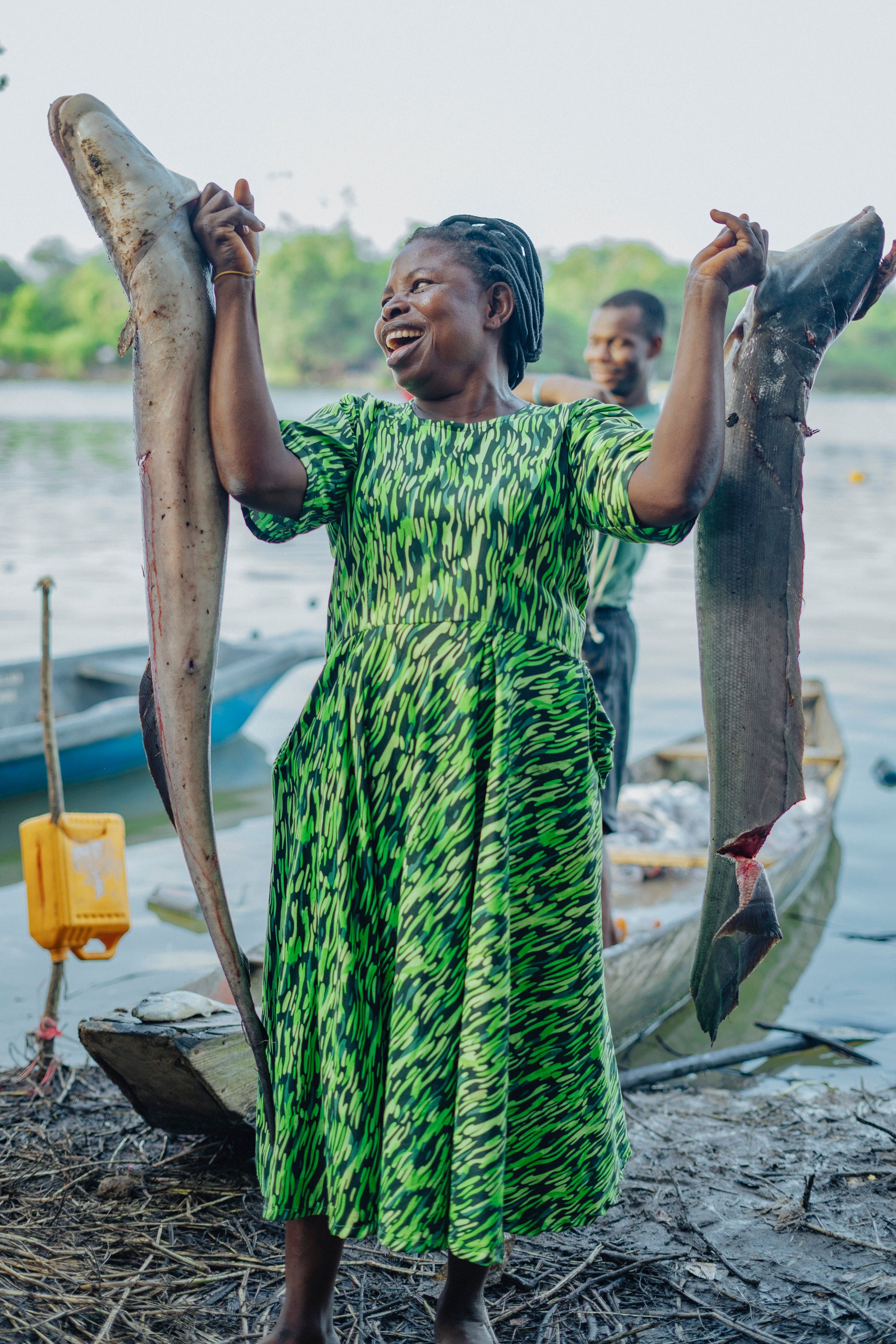
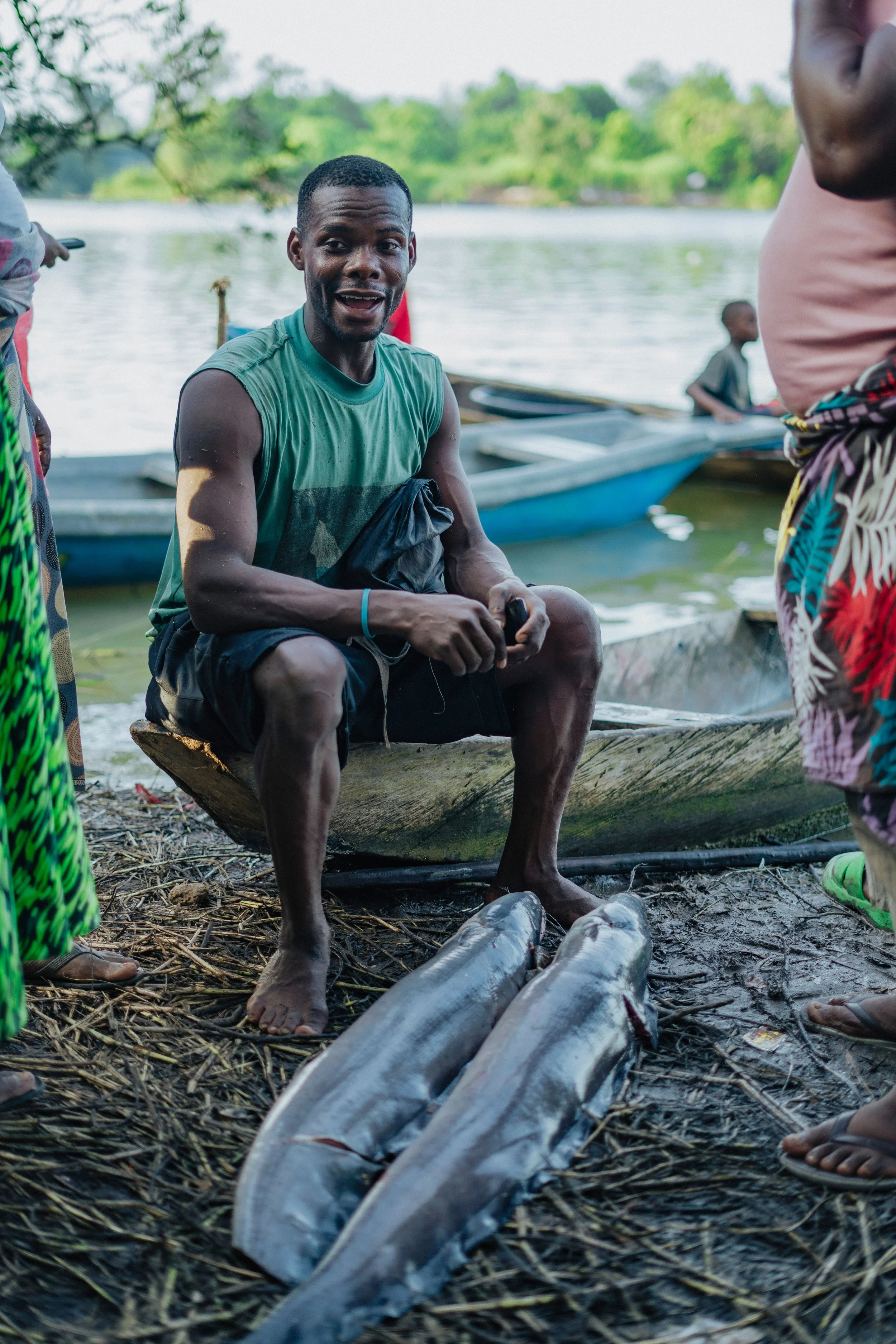
“My background shapes the way I see and tell stories. Growing up in an environment where many narratives are overlooked, I’ve developed a strong awareness of the power of representation. It pushes me to create work that feels honest, grounded, and reflective of real experiences especially those that don’t always get the spotlight.”
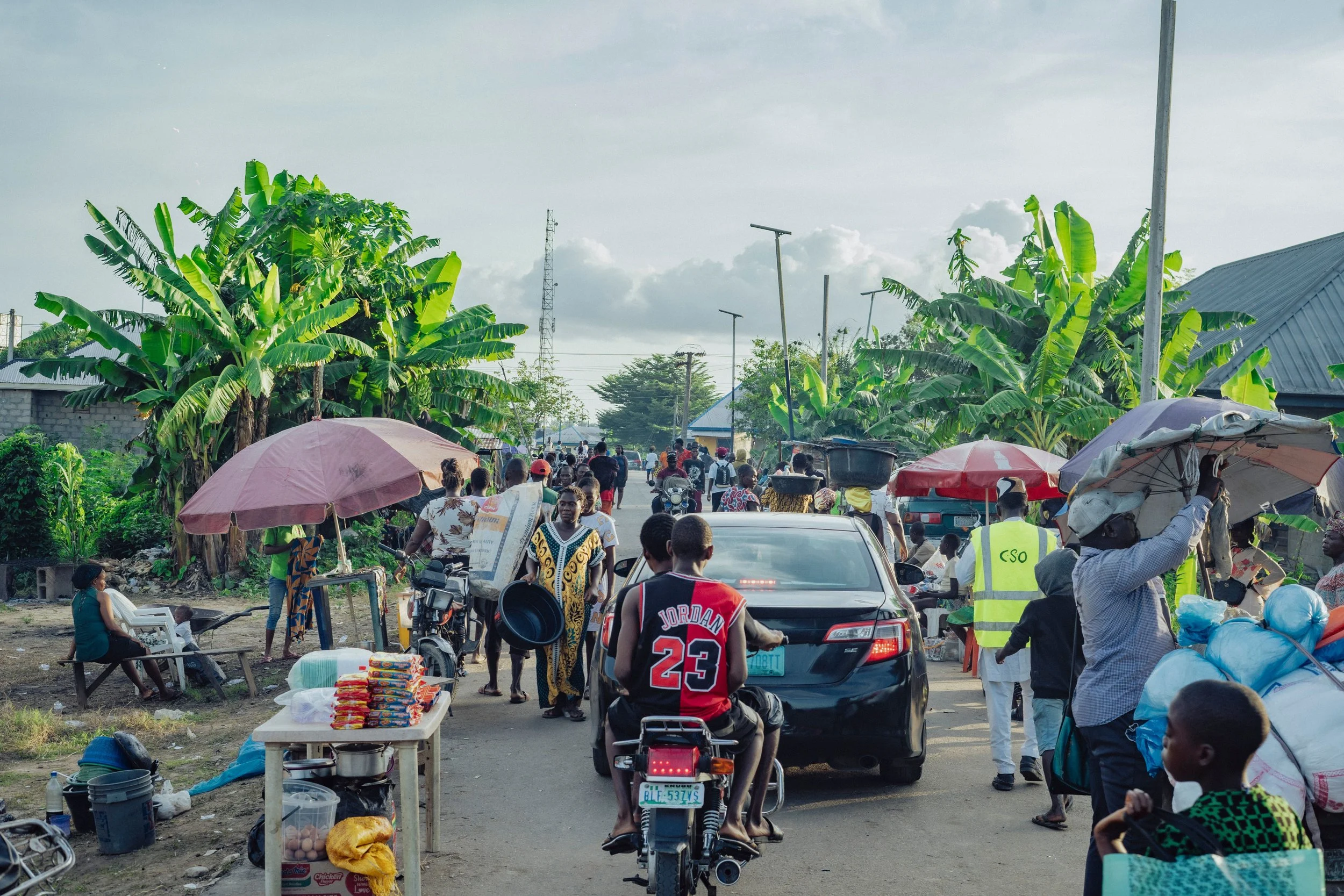
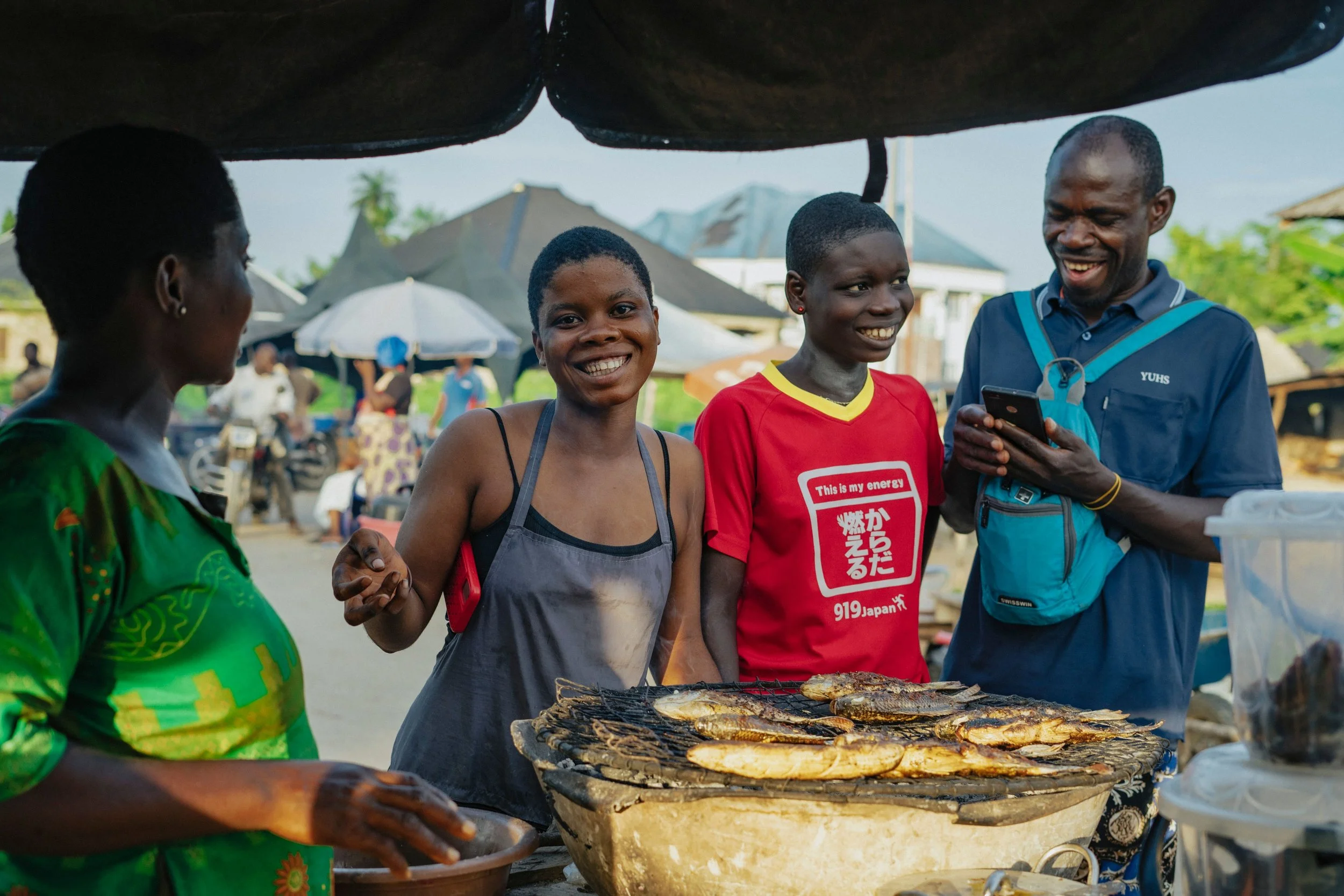
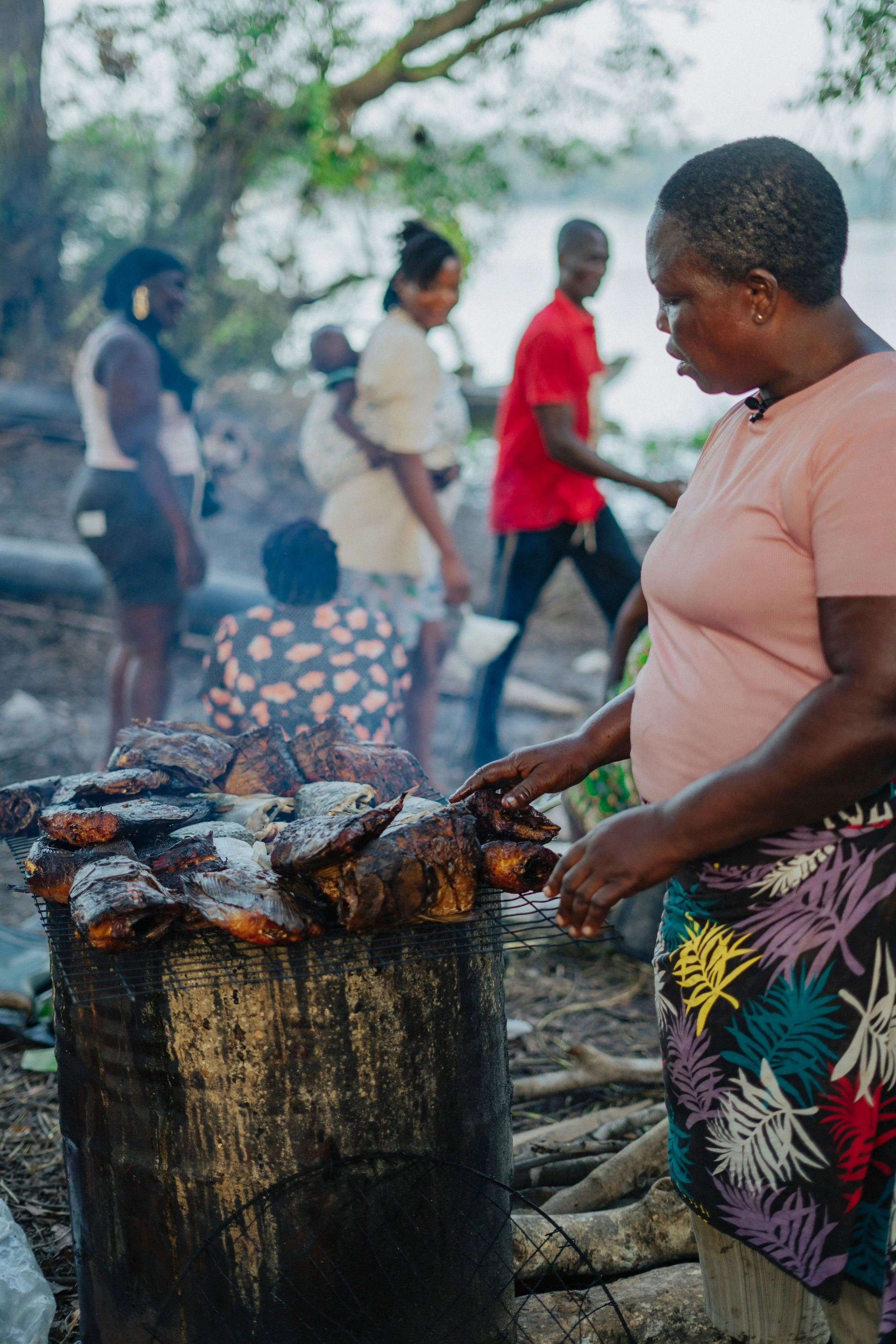
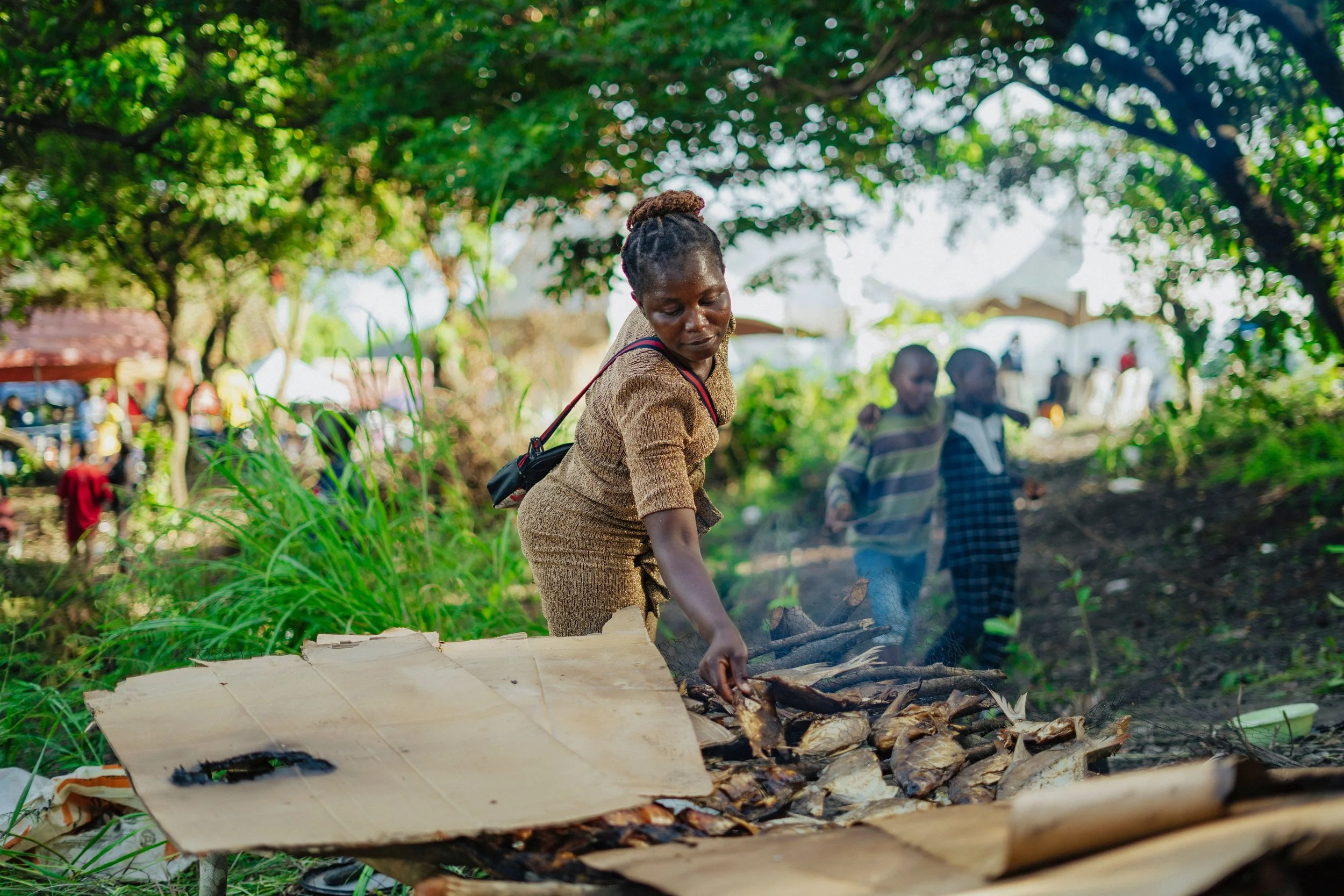
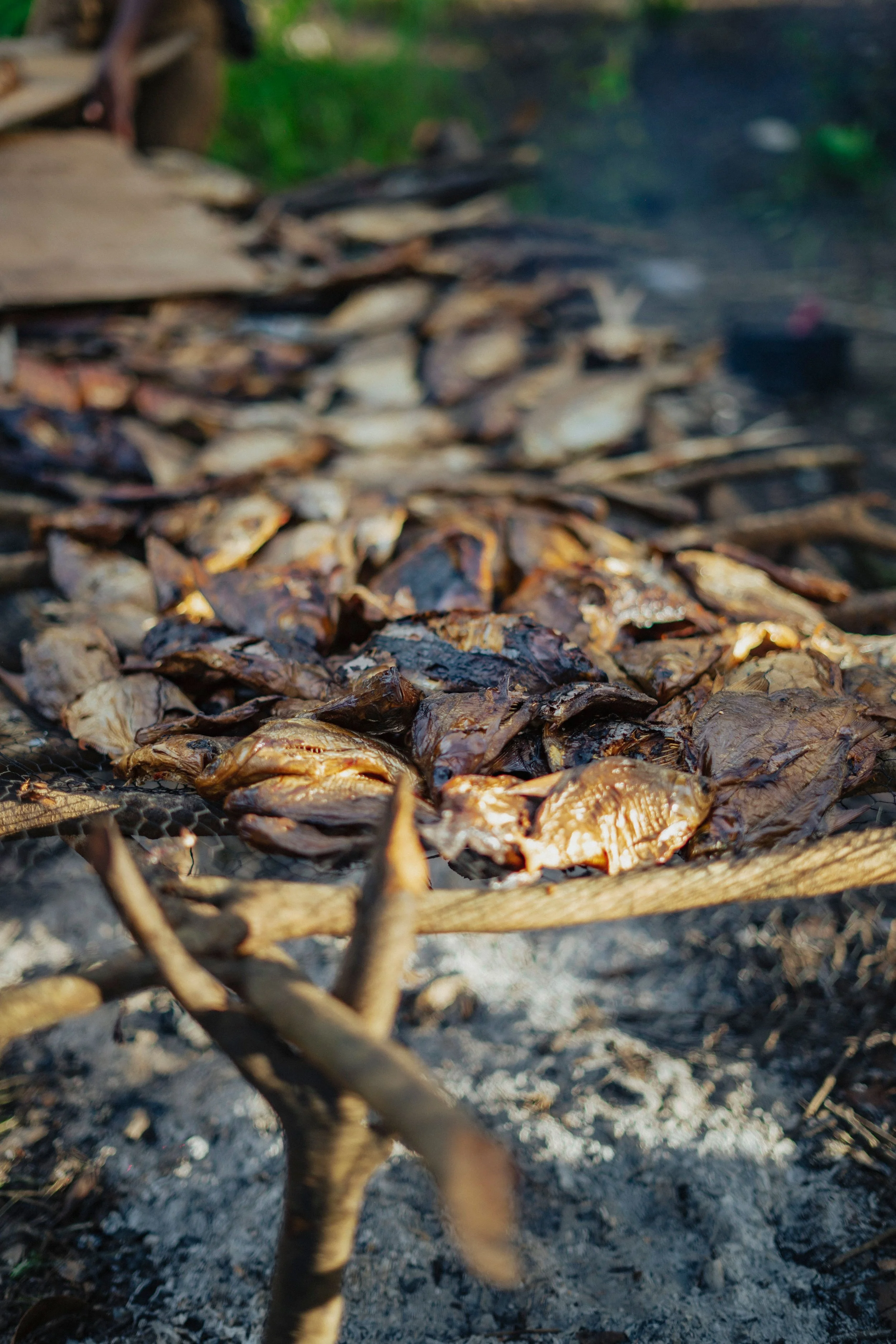
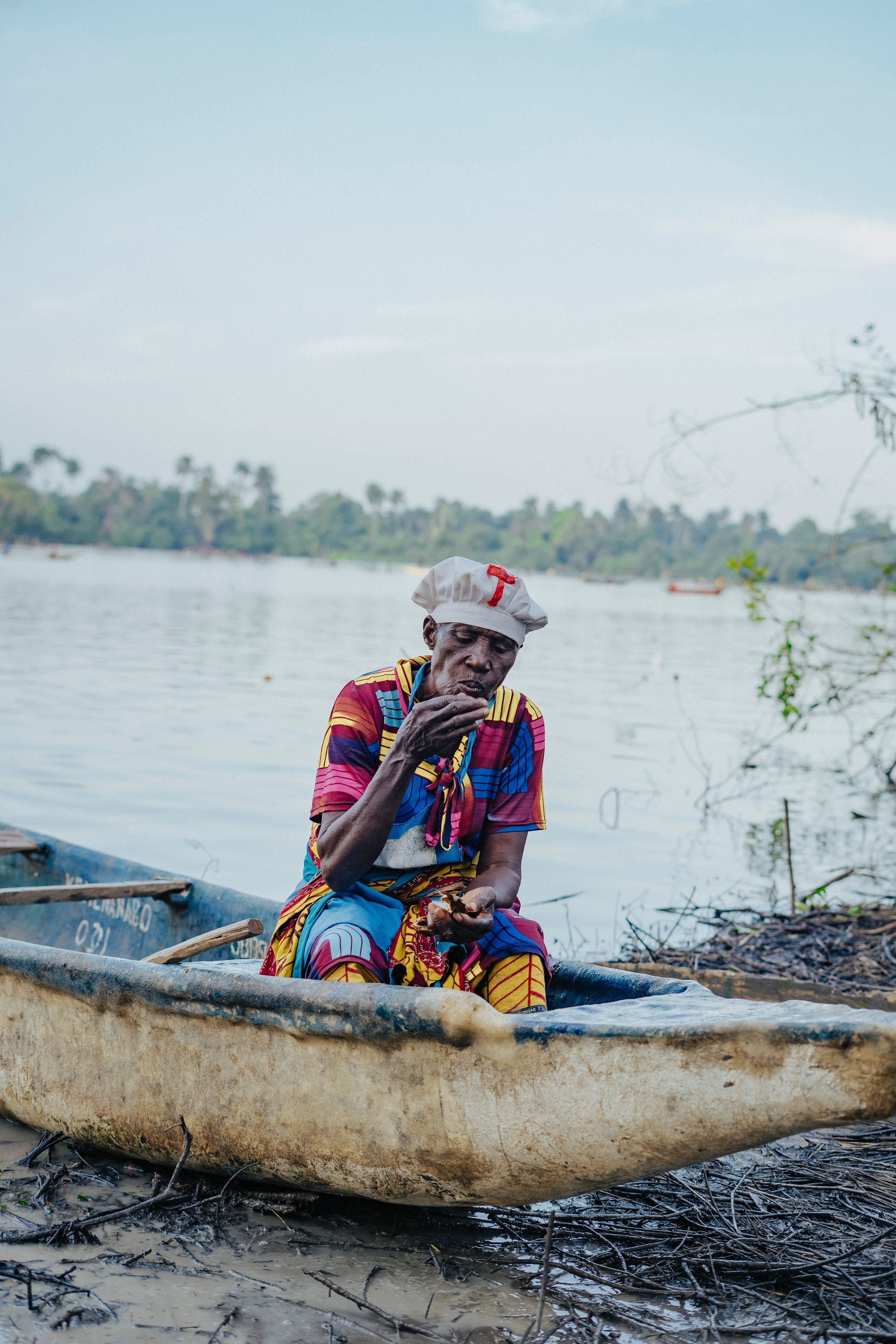
For the river communities of the Sabagreia region, the festival reflects a way of organizing life around shared resources rather than individual ownership. The river belongs to no single participant, yet its seasonal abundance depends upon a collective understanding of when to gather, how to work, and why the tradition continues. The photographs suggest that the festival is not simply a celebration of what the water yields, but of the relationships that have formed around it. In this context, value is measured as much by participation as possession, reminding us that some forms of prosperity are sustained not by what one person acquires, but by what an entire community agrees to cultivate together.
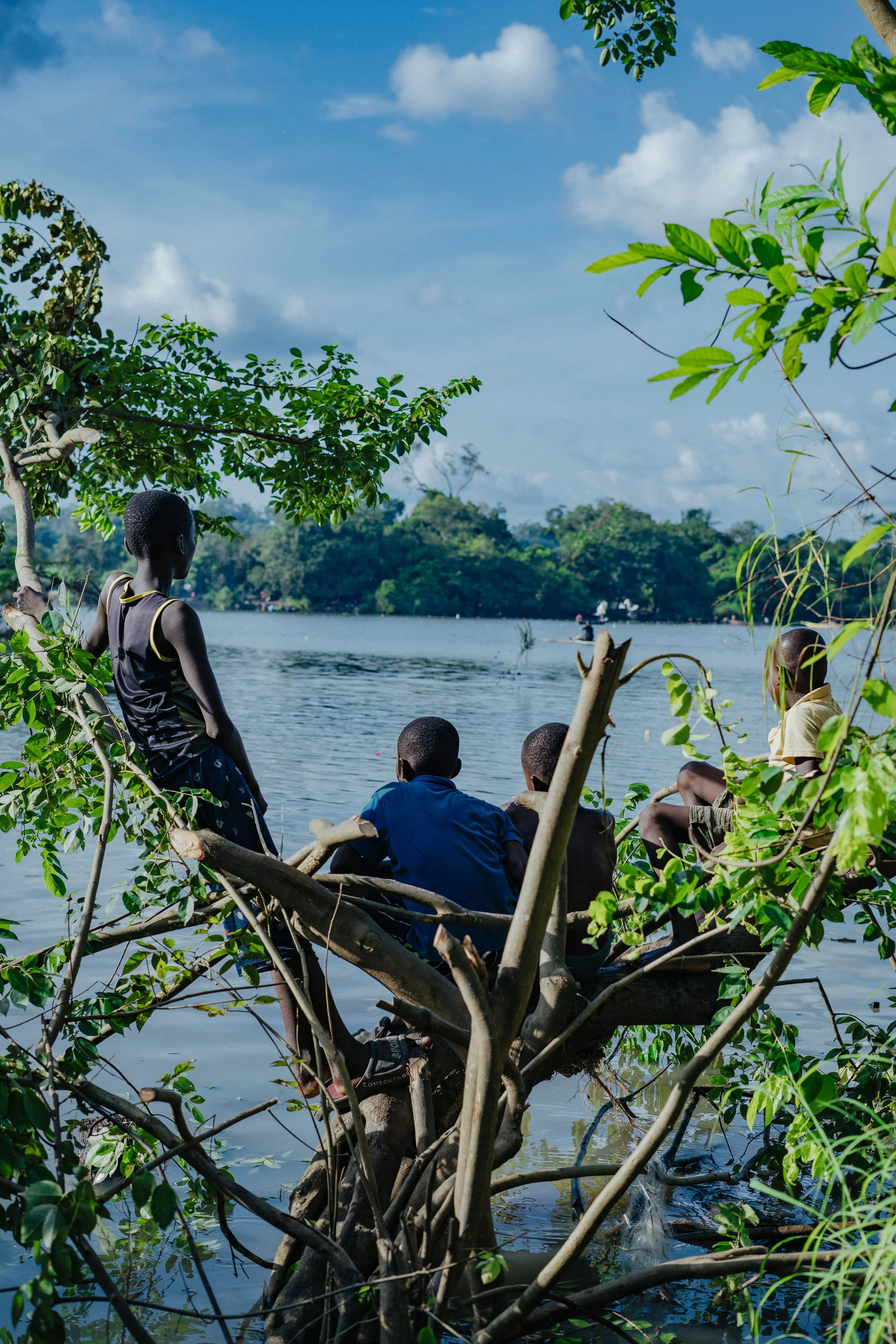
Photography by Babajide Jeffery Soile
Editorial by MUNREAUX