issue 001 - OPEN CALL.
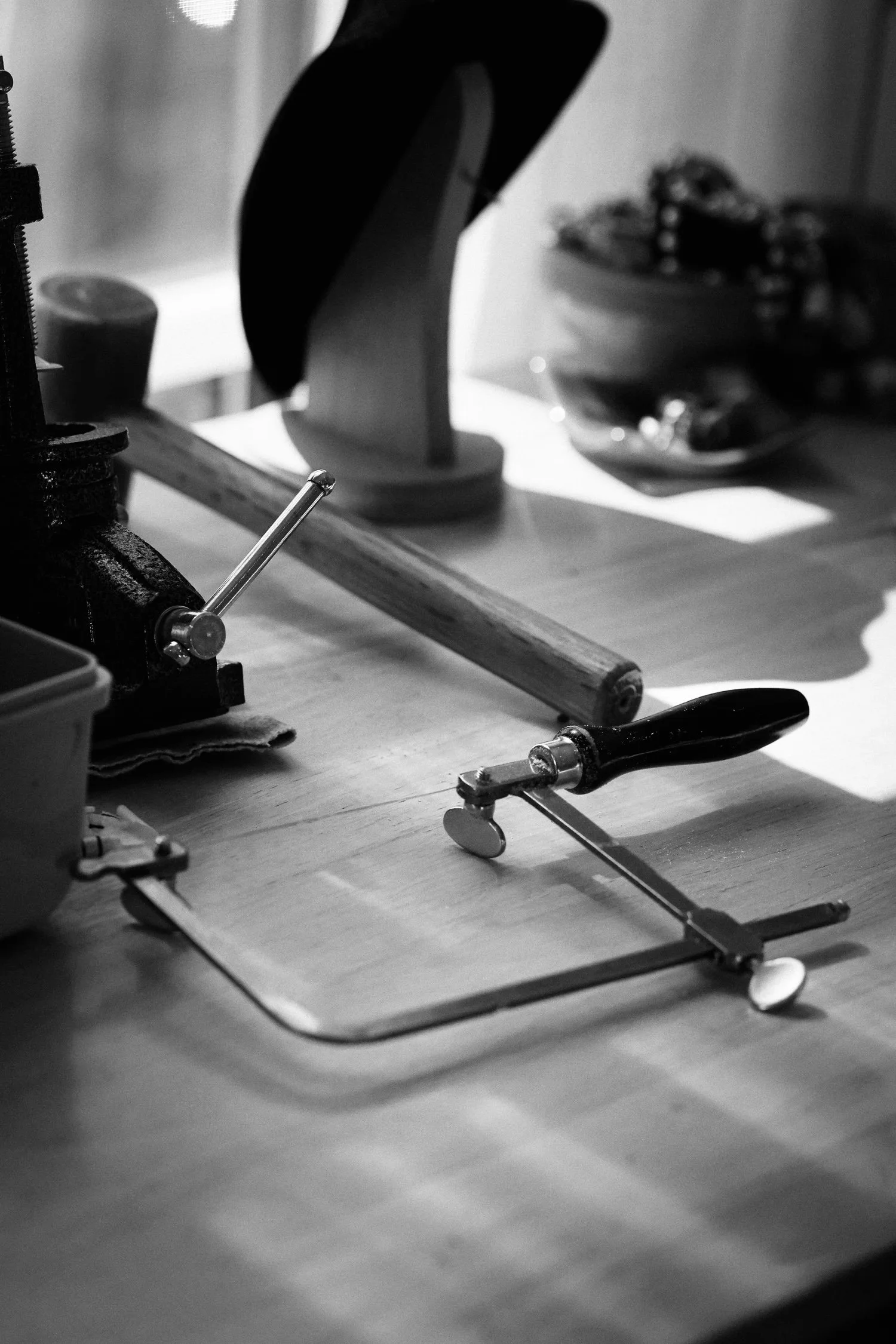
issue 000 began with arrival.
This one examines value as it is lived.
WHAT.
What supports a life materially once it has already begun to take shape—what continues quietly underneath visibility? What do possessions say about identity? We’re interested in value as it is lived and maintained: in the objects, tools, skills, and systems people depend on to sustain themselves over time—examining value systems of scarcity and abundance. A table marked by years of use. Clothing marked through repetition of wear. Belongings that remain in reach not just for meaning, but for necessity. Items that maintain value through their worth, in context. What allows someone to remain where they are? What makes continuation possible—not just emotionally, but tangibly? What makes something feel like an extension of yourself—of sustained presence?
What this theme may look like in practice:
Conceptual photo series of possessions or belongings that remain close not just for emotional attachment, but for function—arranged as sentimental objects
Photo series of hands at work—calloused, bruised, worn, paired with the materials they manipulate daily, emphasizing objects as both economic function and embodied value
Mini documentary of clothing that has been repaired, worn repeatedly, or adapted over time by people in a household
Visual essay of all objects a person owns that makes them feel safe after a major financial reset—laid out, categorized, or repeatedly rearranged to reflect shifting definitions of necessity and ownership
Narrative photo series illustrating outfits based on what is kept and what is discarded as a person downsizes from household to household during a rent crisis
Painted portrait series of individuals with the possessions they rely on most, as symbols of survival and as extensions of identity—items that directly support their ability to remain stable—even sentimentally
Collage or installation-based work using receipts, invoices, pay stubs, or financial records—illustrating the physical residue of earning, spending, and sustaining a life over time
Images of furniture made from recycled materials—repurposed as a functional items that help sustain a living
Sensory study documenting textures, weights, sounds, and physical interactions with objects that signal sufficiency—metal vs plastic kitchen items, full vs empty shelves, fresh vs worn fabrics, stocked vs limited pantries, etc
Photography series of desired but inaccessible items in store windows juxtaposed with acts of bartering or trading possessions.
Poetic study of posture, gesture, or bodily orientation in spaces of work and rest—how the body adapts to conditions of stability, making “security” visible through physical ease or strain
Restauranteur documenting the extent of material upkeep to maintain cooking, cleaning, repairing, lifting, organizing—highlighting maintenance as both physical presence and necessity
Ceramicist documenting process and repetition through clay scraps, used sponges, wire cutters after removing a sculpted pot, etc—not just the final product
Strong submissions often show:
Signs of routine, repetition, stability or maintenance through personal objects and tangible worth
How something functions within a life, not just what it represents emotionally
The relationship between objects and the value systems they exist within
Presence embodied through physical items of value
Less aligned submissions tend to:
Focus on identity or mood without grounding in material necessity, upkeep, physical presence, or reliance
Include subjects without context of material existence
Lean into “minimalism” or “clean design” for the sake of it, where nothing implies use, history, or circulation
Focus on actions or people without representing the relationship to objects of value
We welcome work that engages directly or indirectly with personal ownership, income and personal value, resource access, economy politics or the material conditions that make stability possible.
WHO.
This is an open call for photographers, visual artists, and makers from historically marginalized races, ethnic groups, and cultures, whose work engages value through lived conditions rather than abstraction—where we can encounter it directly, in use, in effort, in dependency, and in return. We welcome work that sits with the tension between scarcity and sufficiency—within people and the things they rely on. What remains after something is made? Which objects are inseparable from the labor that produced them? What is kept because it is needed, and what is discarded when it no longer serves? We’re interested in projects from individuals who illustrate how belongings take part in survival, the ways ownership shapes presence, the relationship between necessity and excess, and value as an embodied practice and tangible reality rather than an abstract concept.
HOW.
Submissions can be documentary, staged, observational, conceptual, or somewhere in between. Series are welcome, and so are fragments. Process matters. The work doesn’t need to be newly produced but it must be original. We’re open to photography series, poetry or short essays, and images of fine art projects that suit the theme, accompanied by a project description (including project title, artist name, date of creation, and material) and artist’s statement.
WHY.
issue 000 asked how it feels to arrive. This one asks what allows that presence to persevere— what it takes to stay.
WHEN.
Submissions close on May 15, 2026 May 22, 2026 at 11:59pm EST, and selected contributors will be contacted and appear in issue 001.
Submissions will only be considered if they meet all specified requirements. Read full submission guidelines here.
WHERE.
Apply for issue 001 here.